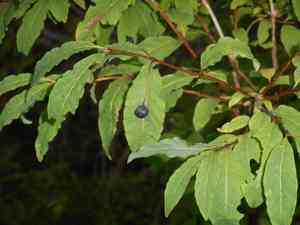
Black-berried honeysuckle (Lonicera nigra)
Also known as: Black Honeysuckle
Black-berried honeysuckle is a deciduous shrub that flourishes at elevation and produces its identifiable black-colored berries in early autumn. It has been reported that parts of this shrub are poisonous if ingested. Lonicera nigra was described, with its name validly published, by Swedish botanist Carl Linnaeus in 1753.
In This Article
Attributes of Black-berried honeysuckle
Lifespan
Perennial
Plant Type
Shrub
Plant Height
1.5 m
Spread
1-1.5 meters
Leaf Color
Green
Flower Size
1.9 cm to 2.5 cm
Flower Color
White Purple
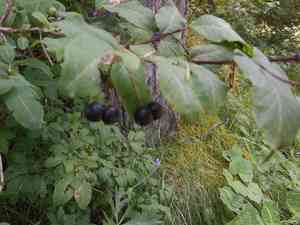
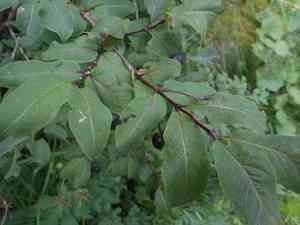
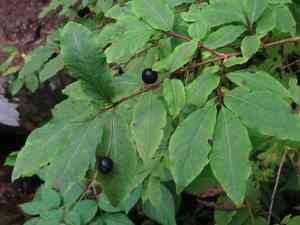
Images of Black-berried honeysuckle
Quickly Identify Black-berried honeysuckle
1
Identify Lonicera nigra by its small, paired, black berries and its opposite, ovate leaves. The flowers are typically yellowish-white or pink and appear in pairs.
Scientific Classification of Black-berried honeysuckle
Phylum
Vascular plants
Class
Dicotyledons
Order
Dipsacales
Family
Honeysuckle
Genus
Honeysuckles
Species
Black-berried honeysuckle
Planting and Growing of Black-berried honeysuckle
Care Difficulty
Easy
Watering Schedule
Every 2 days
Sunlight Requirements
Partial sun
Sunshine Duration
4-8 hours
Ideal Temperature
60-75℉
Soil Type
Potting Mix, Peat Mix
Soil pH
6.5-7.5
Fertilizer Type
Balanced
Pruning Season
Spring, Summer
Pruning Area
Branches, Leaves
Pruning Frequency
2 times a year
Repotting Season
Spring
Pot Type
Plastic, Ceramic
 How to Water Black-berried honeysuckle?
Lonicera nigra requires watering until the soil is evenly moist but not waterlogged. Ensure that about 250 milliliters of water is given each time, enough to moisten the soil up to a depth of 1-2 inches. This helps maintain adequate moisture without over-saturation, which could lead to root rot.
What are the symptoms of an underwatered Black-berried honeysuckle?
›
What should I do if my Black-berried honeysuckle is not getting enough water?
›
What are the symptoms of an overwatered Black-berried honeysuckle?
›
How to save an overwatered Black-berried honeysuckle?
›
 What Are the Sunlight Requirements for Black-berried honeysuckle?
Partial sun is ideal for Lonicera nigra, balancing morning sun with afternoon shade promotes lush growth and optimal blooming. It prevents both overheating and nutrient loss.
More About Sunlight Requirements Techniques→
Solution for Ideal Light
›
Specific Measures
›
Effects of Ideal Lighting
›
 What Is the Ideal Temperature Range for Black-berried honeysuckle?
The ideal temperature range for Lonicera nigra cultivation lies between 60°F and 75°F. This range ensures optimal photosynthesis and metabolic activities, providing the plant with conditions it needs to thrive. Within this range, the plant can maintain robust health, adequate growth, and produce beautiful blooms.
 What Soil is Best for Black-berried honeysuckle?
Lonicera nigra thrives in well-drained soil, which prevents waterlogging and root rot. This condition promotes better root health and nutrient absorption, ensuring the optimal growth of the plant. This plant prefers soils rich in organic matter, providing essential nutrients. The nutrient-rich environment encourages vibrant foliage and flowering, making the plant more resilient against pests and diseases. Consistent moisture is crucial for Lonicera nigra, but it should not be excessive. Proper moisture levels help maintain the plant's health, leading to robust blooms and foliage.
 How to Fertilize Black-berried honeysuckle?
For Lonicera nigra, it is essential to apply the correct amount of fertilizer to maintain plant health. Generally, when using liquid fertilizers, a dilution to the concentration of 1/4 of the recommended dosage on the packaging is ideal. This ensures that the plant receives adequate but not excessive nutrients, contributing to lush and vigorous growth.
 How to Prune Black-berried honeysuckle?
Start by removing any dead or diseased branches. Use sharp, clean pruning shears to make clean cuts. Focus on thinning out dense areas to allow light and air to penetrate. Make cuts just above outward-facing buds to encourage open growth. After thinning, move on to shaping the plant. Aim to preserve its natural form by trimming back straggly shoots. Regular attention ensures your Lonicera nigra remains tidy and prevents overgrowth that could diminish its ornamental appeal.
More About Pruning Techniques→
 How to Propagate Black-berried honeysuckle plant?
1
Collect seeds from healthy Lonicera nigra plants in the autumn and store them in a cool, dry place until spring. Before sowing, scarify the seeds lightly by gently rubbing them with sandpaper to improve germination rates.
2
In early summer, choose healthy, non-flowering stems and cut 10-15 cm lengths just below a node. Remove the lower leaves, leaving only a few at the top, to reduce moisture loss.
3
Plant seeds or cuttings in well-draining soil. Water them lightly and cover with a plastic dome to maintain humidity. Place them in indirect sunlight and maintain a temperature of about 20°C for optimal growth.
 How to Repot Black-berried honeysuckle plant?
1
You will know it's time to repot Lonicera nigra when its roots begin to show through the drainage holes. Another signal is when water drains too quickly because root mass is excessive. Spring or early summer is usually ideal as the growing season kicks in.
2
Select a pot that is 1-2 inches larger in diameter than the current one, made of breathable material like terracotta. A well-sized pot allows for healthy growth and minimizes water retention issues, preventing root rot.
3
Opt for a well-draining loamy soil mixed with a touch of sand or perlite to enhance drainage. This ensures roots receive adequate air and prevents waterlogging, crucial for the well-being of Lonicera nigra.
Toxicity
ingestion
WARNING
The judgment on toxicity and danger is for reference only. We DO NOT GUARANTEE any accuracy of such judgment. Therefore, you SHALL NOT rely on such judgment. It is IMPORTANT TO SEEK PROFESSIONAL ADVICE in advance when necessary.
Learn More About Black-berried honeysuckle Diseases
Anthracnose
Bacterial Leaf Spot
Black Spot
Chemical Injury
Crown Gall
Damping-off
Downy Mildew
Drought Stress
Fusarium Wilt
Gray Mold
Leaf Curl
Leaf Spot
Mosaic
Nutrient Deficiency
Nutrient Toxicity
Powdery Mildew
Root Rot
Root-knot Nematode
Rusts
Sooty Mold
Spider Mites
Temperature Stress
Thrips Damage
White Mold



