How to Prune Black-berried honeysuckle?
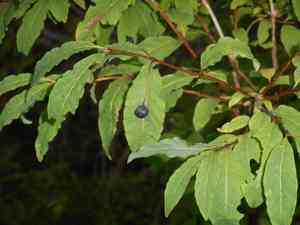
Recognized for its appealing dark fruit, black-berried honeysuckle necessitates trimming to preserve its form and stimulate robust development. The perfect periods for pruning are from late winter to early spring, prior to the emergence of new shoots. Consistently eliminate deceased or excessively dense branches to enhance air movement. Light shaping aids in sustaining an attractive appearance. Advantages of pruning encompass boosted fruit yield and protection against ailments. A revitalization cut every few years ensures black-berried honeysuckle remains strong.
What Are the Benefits of Pruning Black-berried Honeysuckle?
What Are the Benefits of Pruning Black-berried Honeysuckle?
Trimming black-berried honeysuckle promotes robust development by eliminating dead or overly dense branches, facilitating improved air circulation and sunlight exposure. Regular cutting helps maintain black-berried honeysuckle's form and dimensions, enhancing its visual appeal and integration into the landscape.
What Is the Best Time for Pruning Black-berried Honeysuckle?
What Is the Best Time for Pruning Black-berried Honeysuckle?
Pruning or trimming black-berried honeysuckle in late winter or early spring supports its health and vitality. During these periods, black-berried honeysuckle is dormant, which minimizes plant stress and lowers the risk of sap loss or disease entry through pruning wounds. Furthermore, removing dead or damaged wood before new growth begins allows the plant to channel its energy into producing healthy shoots. Pruning prior to the growing season ensures the plant retains its desired shape and fosters better air circulation within its canopy, crucial for reducing fungal disease incidence. It also prevents cutting off developing buds destined to bloom or bear berries in the subsequent season, ensuring the natural flowering and fruiting cycle remains undisturbed.
What Tools Do I Need to Prune Black-berried Honeysuckle?
Hand Pruners
Perfect for snipping thinner branches and small twigs. Black-berried honeysuckle may have delicate stems requiring precise cuts. Hand pruners offer control and clean cuts to support the plant's well-being.
Loppers
Suitable for severing thicker branches that hand pruners cannot manage. Black-berried honeysuckle's mature stems might necessitate the additional leverage loppers provide.
Pruning Saw
Essential for removing larger, established branches. Black-berried honeysuckle can develop woody growth too thick for hand pruners or loppers, and a pruning saw can make these cuts more efficiently.
Hedge Shears
Useful for shaping and maintaining the dense foliage of black-berried honeysuckle. These allow for trimming multiple small stems simultaneously and are effective for achieving a desired form.
How to Prune Black-berried Honeysuckle
Clean prune tools
Before pruning black-berried honeysuckle, cleanse and sanitize all pruning implements using a solution of one part bleach to nine parts water to prevent disease transmission.
Remove diseased parts
Identify and carefully eliminate any diseased leaves and branches from black-berried honeysuckle. Ensure diseased branches are cut back to healthy tissue to prevent infection spread.
Cut withered leaves
Trim away all withered leaves on black-berried honeysuckle to encourage robust growth and improve air circulation, which can decrease the likelihood of disease.
Eliminate dead branches
Inspect black-berried honeysuckle for dead branches and cut them back to the nearest live shoot or bud to stimulate new growth and maintain an appealing shape.
Dispose trimmed material
Discard all trimmed material, especially diseased leaves or branches, away from the garden to prevent re-infection or the spread of disease to other plants.
Common Pruning Mistakes with Black-berried Honeysuckle
Overpruning
Removing excessive foliage, which can stress black-berried honeysuckle and lead to stunted growth or demise.
Improper cut locations
Cutting too far from or too close to the bud can result in unhealthy development or disease entry.
Using dull or dirty tools
Pruning with tools that are not sharp or clean may damage branches or introduce pathogens to black-berried honeysuckle.
Pruning without a plan
Random or excessive cuts without understanding black-berried honeysuckle's growth pattern can lead to an unbalanced structure and reduced flowering.
Neglecting to remove dead wood
Failing to cut away dead or diseased branches, which can harbor pests and hinder black-berried honeysuckle's overall health.
Common Pruning Tips for Black-berried Honeysuckle
Selective pruning
Focus on removing only the oldest stems to encourage new growth while preserving the plant's natural form.
Cut at an angle
Make cuts at a 45-degree angle above outward-facing buds to promote outward growth and prevent water accumulation.
Clean tools between cuts
Sterilize pruning tools between cuts, especially when moving between healthy and diseased areas, to prevent disease spread.
Maintain branch structure
Preserve the main framework of black-berried honeysuckle by avoiding the removal of thick, structural branches unless they are dead or diseased.
Encourage fresh growth
Prune just above a node or set of leaves to stimulate black-berried honeysuckle to produce new, vigorous shoots.
Thin out overcrowded areas
Improve air circulation and light penetration by thinning dense clusters, which helps reduce the risk of fungal diseases.



