How to Transplant Alpine honeysuckle?
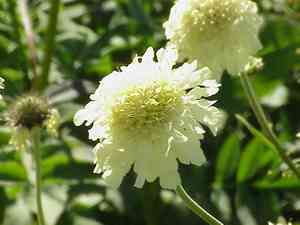
The ideal period for transplanting alpine honeysuckle is from late spring through mid-summer, facilitating a smooth adjustment for its root structure. Select a location offering filtered sunlight to replicate its native mountainous environment, and if required, amend the earth to improve its integration.
What Preparations are Needed Before Transplanting Alpine Honeysuckle?
What is the Ideal Time for Transplanting Alpine Honeysuckle?
The optimal period for relocating alpine honeysuckle spans from late spring into early summer. This timeframe provides moderate temperatures and extended daylight, fostering strong root development prior to intense summer heat. Moving alpine honeysuckle now allows it to benefit from the peak growing season, ensuring more vigorous growth and better adaptation. Following this practice gives alpine honeysuckle an excellent start, with natural conditions aiding its successful establishment.
How Much Space Should You Leave Between Alpine Honeysuckle Plants?
When moving alpine honeysuckle, allow ample room for its expansion. A good guideline is to position each plant approximately 5-6 feet (1.5-1.8 meters) apart. This ensures alpine honeysuckle has sufficient area to grow and thrive.
What is the Best Soil Mix for Alpine Honeysuckle Transplanting?
It's time to get your garden ready! Alpine honeysuckle prefers rich, well-draining soil. Mix in a generous amount of organic compost to enrich the base. A slow-release, balanced fertilizer (such as a 10-10-10) will give alpine honeysuckle a great head start!
Where Should You Relocate Your Alpine Honeysuckle?
The perfect spot for your alpine honeysuckle is where it can absorb plenty of sunlight. Bright, indirect light keeps your plant happy and healthy. Remember, some shade during the hottest part of the day is beneficial.
What Equipments Should You Prepare Before Transplantation Alpine Honeysuckle?
Gardening Gloves
To safeguard your hands from dirt, prickly stems, or any insects during the process.
Garden Trowel
This tool is useful for digging and carefully lifting the alpine honeysuckle from its original spot without harming its root system.
Shovel or Spade
For excavating the new planting hole and preparing the transplant site.
Garden Hoe
Helpful for breaking up the soil around your alpine honeysuckle during its removal.
Watering Can
Used to moisten the soil before transplanting, which will lessen transplant shock.
Gardening Scissors or Pruners
To trim any dead or damaged branches from your alpine honeysuckle prior to transplantation.
Garden hod, wheelbarrow or pot
To move the alpine honeysuckle from its initial location to the new planting site.
Organic Mulch
For covering the soil around the alpine honeysuckle after transplanting, to help retain moisture and regulate its temperature.
How Do You Remove Alpine Honeysuckle from the Soil?
How Do You Remove Alpine Honeysuckle from the Soil?
From Ground: Hydrate the soil around your alpine honeysuckle by watering it, making root removal easier without damage. Then, dig a wide circle around the plant with your trowel or shovel, maintaining a safe distance from the root ball. Gently loosen the soil and carefully lift the plant to avoid stressing it.From Pot: Water your alpine honeysuckle thoroughly so the soil and roots emerge as a single, solid unit. Invert the pot and gently tap it to allow the plant and its root system to slide out smoothly. If it doesn't release immediately, rotate the pot while continuing to tap, avoiding pulling the plant by its stems or leaves.From Seedling Tray: Ensure each alpine honeysuckle seedling is damp but not excessively wet. Gently hold each seedling by its leaves, not the stem, as it is delicate at this stage. Using a dibber or spoon, carefully lift the seedling from beneath, ensuring the roots remain intact. Handle the seedlings with care to prevent any damage.
Step-by-Step Guide for Transplanting Alpine Honeysuckle
Digging the Hole
The initial step is to excavate a new hole for your alpine honeysuckle plant. The hole should be twice as wide as the root system but no deeper than its current depth. This allows the roots to spread out easily within the space.
Placing the Plant
Position your alpine honeysuckle in the freshly prepared hole. The top of the root ball should be level with the ground, preventing the roots from being buried too deeply or exposed to the air.
Backfilling
Gradually refill the hole with the soil you previously removed, gently pressing it down around the plant to eliminate any air pockets. Ensure the plant stands upright and straight.
Watering
After transplanting, thoroughly water the alpine honeysuckle to encourage root growth and lessen transplant shock. Avoid over-saturating the soil; the correct consistency is when it's dark and moist.
How Do You Care For Alpine Honeysuckle After Transplanting?
Watering
The alpine honeysuckle plant will require consistent watering during its establishment phase. Keeping the soil uniformly moist, but not waterlogged, is vital for the plant's survival and development. Monitor moisture levels, especially after dry periods.
Pruning
You can trim any dead or damaged branches that may have occurred during the transplantation. This will promote healthier new growth.
Mulching
Spread a layer of organic mulch around the base of the alpine honeysuckle, keeping it away from the stem, to aid in moisture retention and weed suppression. Replenish the mulch as needed.
Observation
Monitor your alpine honeysuckle for a few weeks. If you notice any wilting, browning, or drooping, it might indicate the plant is experiencing transplant shock and could require additional care or adjustments.
Troubleshooting Common Issues with Alpine Honeysuckle Transplantation.
What is the ideal time for transplanting alpine honeysuckle?
The optimal period to transplant alpine honeysuckle is between late summer and early autumn, commonly referred to as S3-S5.
How much space should be left between each alpine honeysuckle when transplanting?
When transplanting alpine honeysuckle, a gap of approximately 5-6 feet (1.5-1.8 meters) should be maintained between each plant. This provides ample room for growth.
What type of soil works best when transplanting alpine honeysuckle?
Alpine honeysuckle thrives in well-drained soil. It can tolerate various soil types, but ensuring good drainage is crucial for the plant's health.
How deep should I plant alpine honeysuckle?
Alpine honeysuckle should be planted at the same depth it was growing in its previous location. This generally corresponds to the size of the root ball plus a couple of inches (5 cm).
Do I need to water alpine honeysuckle immediately after transplanting?
Absolutely! Once you've transplanted alpine honeysuckle, it's essential to water them properly. This settles the soil and alleviates transplantation shock.
What's the sunlight requirement for alpine honeysuckle after transplantation?
After transplanting, alpine honeysuckle prefers partial to full sun. However, avoid exposing them to harsh afternoon sun until they are well established.
Do I need to trim alpine honeysuckle before transplanting?
Yes, it's beneficial to prune alpine honeysuckle before transplanting. This helps to balance the root loss that often occurs during the transplant process.
Should I add fertilizers after transplanting alpine honeysuckle?
A slow-release fertilizer can be used after transplanting alpine honeysuckle to aid its establishment. However, avoid strong fertilizers as they may stress the plant.
Can I transplant alpine honeysuckle during the flowering period?
Ideally, alpine honeysuckle should not be transplanted during its blooming period to avoid damaging the plant. Wait until after the flowering season has concluded.
How can I prevent transplant shock in alpine honeysuckle?
To minimize transplant shock in alpine honeysuckle, transplant during cool weather, water thoroughly before and after, and use a root stimulator.



