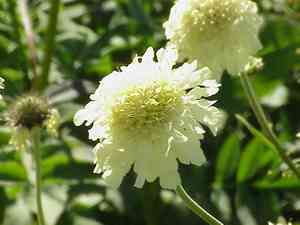
Alpine honeysuckle (Lonicera alpigena)
Also known as: Alpine Honeysuckle
A shrub that thrives in European mountain woodlands and is known for its strong fragrance is the Alpine Daphne. This shrub is often grown as an ornamental plant thanks to its intense aroma. It has the potential to become invasive, as it is generally resistant to pests and diseases, allowing it to spread effortlessly.
In This Article
Attributes of Alpine honeysuckle
Lifespan
Perennial
Plant Type
Shrub
Plant Height
1.2 m to 2 m
Spread
3.5 m
Leaf Color
Green
Flower Size
2.5 cm to 5 cm
Flower Color
White Yellow Pink Green Purple Red
Images of Alpine honeysuckle
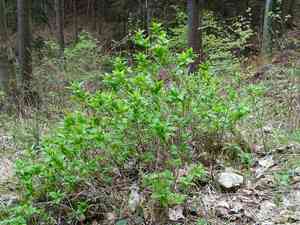
Quickly Identify Alpine honeysuckle
1
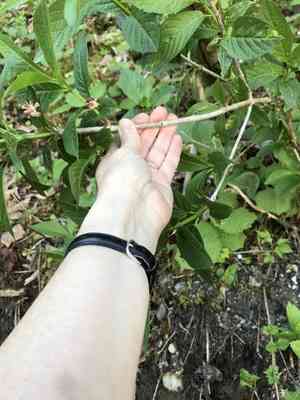
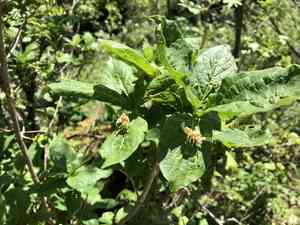
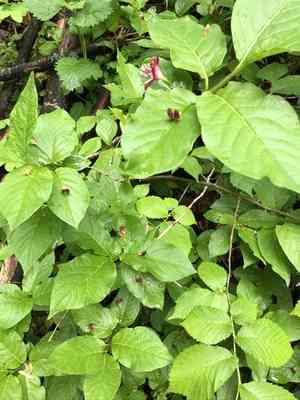
Lonicera alpigena can be identified by its paired leaves, which are ovate to elliptic, and its red, berry-like fruits. The flowers are usually yellowish-white and tubular, appearing in pairs.
Scientific Classification of Alpine honeysuckle
Phylum
Vascular plants
Class
Dicotyledons
Order
Dipsacales
Family
Honeysuckle
Genus
Honeysuckles
Species
Alpine honeysuckle
Planting and Growing of Alpine honeysuckle
Care Difficulty
Easy
Watering Schedule
Every 4 days
Sunlight Requirements
Partial sun
Sunshine Duration
6-10 hours
Ideal Temperature
50-70℉
Soil Type
Potting Mix, Peat Mix
Soil pH
6.5-7.5
Fertilizer Type
Balanced
Pruning Season
Spring, Summer
Pruning Area
Branches, Leaves
Pruning Frequency
2 times a year
Repotting Season
Spring
Pot Type
Plastic, Ceramic
 How to Water Alpine honeysuckle?
When watering Lonicera alpigena, aim to moisten the soil thoroughly without leaving standing water. This shrub appreciates a deep drink, about 500 mL per session, which allows for consistent hydration through the root system. Ensure water penetrates to a depth of at least a few inches but avoid creating a soggy environment.
What are the symptoms of an underwatered Alpine honeysuckle?
›
What should I do if my Alpine honeysuckle is not getting enough water?
›
What are the symptoms of an overwatered Alpine honeysuckle?
›
How to save an overwatered Alpine honeysuckle?
›
 What Are the Sunlight Requirements for Alpine honeysuckle?
Lonicera alpigena ideally enjoys partial to full sunlight conditions, with benefits including enhanced flowering and robust leaf development due to sufficient energy from light supporting optimal photosynthetic activity.
More About Sunlight Requirements Techniques→
What is the best location for Lonicera alpigena?
›
How can I ensure my Lonicera alpigena receives optimal sunlight?
›
Why is it important for Lonicera alpigena to get ideal lighting?
›
 What Is the Ideal Temperature Range for Alpine honeysuckle?
The ideal temperature range for Lonicera alpigena is between 50°F to 70°F. In this range, the plant experiences optimal growth and health. Temperatures within this bracket allow for balanced photosynthesis and proper metabolic activities. Maintaining this range ensures robust flowering and vibrant foliage.
 What Soil is Best for Alpine honeysuckle?
Lonicera alpigena thrives in well-drained soil, which prevents excess moisture and root rot. This requirement is crucial, as it allows for proper air circulation around the plant roots, promoting healthy growth and vibrant foliage. This plant prefers soil that is rich in organic matter. Incorporating compost or well-rotted manure can enhance the soil quality, providing essential nutrients that support robust plant development and flowering. While Lonicera alpigena needs well-drained soil, it also benefits from soils that retain moisture. Sandy loams mixed with organic matter can achieve this balance, ensuring that the plant remains hydrated without becoming waterlogged.
 How to Fertilize Alpine honeysuckle?
When fertilizing Lonicera alpigena, use a balanced fertilizer like a 10-10-10 formula. Apply liquid fertilizer at a concentration of 1 tablespoon per gallon of water, and ensure it evenly covers the soil around the plant's base.
 How to Prune Alpine honeysuckle?
Start by removing any dead, damaged, or diseased wood. Cut them back to healthy tissue or a main stem to keep the plant healthy and attractive. Gently shape Lonicera alpigena to maintain its natural form. Keep the center open to promote airflow and reduce the risk of mildew. Make cuts at a slight angle to help water run off the cut area rather than sit on it, which can cause rot.
More About Pruning Techniques→
 How to Propagate Alpine honeysuckle plant?
1
Collect seeds from mature berries, clean them thoroughly to remove any pulp, and let them dry before sowing in seed trays.
2
Select healthy, non-flowering stems, cut them at a 45-degree angle, ensuring each cutting has at least two nodes for rooting.
3
Dip the cut end of each cutting in rooting hormone and plant them into a mix of moist peat and perlite, keeping them well-watered.
 How to Repot Alpine honeysuckle plant?
1
Lonicera alpigena appreciates repotting primarily in the spring or summer when signs such as slow growth, roots outgrowing drainage holes, or soil compacting and losing nutrients are evident. These indicators suggest it's time for a fresh potting environment.
2
Select a pot that is at least one size larger than the current one, ensuring it has good drainage. A pot that provides adequate space allows the roots to spread while preventing waterlogging, thus keeping the plant healthy and vibrant.
3
Choose a well-draining loamy mix that retains some moisture but doesn’t become waterlogged. This soil type helps maintain appropriate aeration and moisture levels, crucial for Lonicera alpigena's proper root development and growth.
Toxicity
Ingestion
WARNING
The judgment on toxicity and danger is for reference only. We DO NOT GUARANTEE any accuracy of such judgment. Therefore, you SHALL NOT rely on such judgment. It is IMPORTANT TO SEEK PROFESSIONAL ADVICE in advance when necessary.



