How to Prune Alpine honeysuckle?
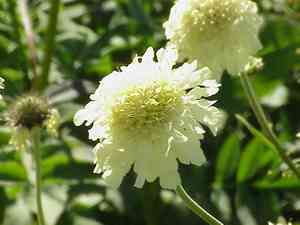
This leaf-shedding bush, recognized for its aromatic blossoms and crimson fruit, flourishes with appropriate upkeep. Effective trimming for alpine honeysuckle involves reducing older branches to stimulate fresh development and shaping as required. Execute this task in late winter or early spring to prevent interference with the flowering period. Pruning boosts the plant's well-being and strength, potentially elevating the yield of flowers and berries. Cultivators ought to eliminate any impaired or infected wood to preserve alpine honeysuckle's visual appeal and structural soundness.
Advantages of Trimming Alpine Honeysuckle
Advantages of Trimming Alpine Honeysuckle
Trimming alpine honeysuckle promotes vigorous development, encouraging the emergence of stronger shoots. Regular cutting helps maintain its desired shape, preventing excessive growth and fostering a well-structured look.
Optimal Period for Pruning Alpine Honeysuckle
Optimal Period for Pruning Alpine Honeysuckle
For alpine honeysuckle, the ideal time for pruning is during late winter and early spring, prior to the emergence of new growth. This timing allows the gardener to clearly view the plant's structure without leaf obstruction, simplifying decisions on which branches to remove. Pruning in late winter or early spring minimizes the duration wounds are exposed before healing commences with new growth. It also prevents the removal of flower buds that form on the previous year's growth, ensuring alpine honeysuckle's flowering potential remains intact. This period aligns with the plant's dormancy, when pruning is less likely to cause stress or invite disease. Removing dead, damaged, or diseased branches at this time can stimulate robust growth and enhance the plant's overall health as the active growing season approaches.
Necessary Tools for Pruning Alpine Honeysuckle
Hand Pruners
Perfect for making precise cuts on alpine honeysuckle's smaller, more delicate stems, ensuring clean and healthy cuts without harming the plant.
Lopping Shears
Suitable for cutting thicker branches of alpine honeysuckle that hand pruners cannot manage, offering leverage for easier cutting.
Pruning Saw
Essential for cutting through the oldest and thickest stems of alpine honeysuckle, where a clean cut is needed to aid healing and reduce disease risk.
Garden Scissors
Useful for shaping alpine honeysuckle and for deadheading, if precise snipping is required for maintaining plant health and appearance.
Pruning Gloves
To safeguard hands from thorns and rough branches while pruning alpine honeysuckle, ensuring the gardener's safety.
How to Trim Alpine Honeysuckle
Prepare Tools
Ensure all cutting implements are clean and sharp to prevent disease transmission to alpine honeysuckle.
Remove Diseased Material
Carefully cut away any diseased foliage and branches from alpine honeysuckle, taking care to avoid healthy tissue to prevent disease spread.
Prune Dead Material
Remove dead or withered leaves and branches, cutting back to live wood or the nearest healthy bud on alpine honeysuckle.
Reshape Plant
Reshape the alpine honeysuckle by selectively thinning out areas to improve air circulation and light penetration, ensuring the plant's natural form is preserved.
Dispose Materials
Properly dispose of all removed material by burning or binning to prevent any disease spread, and clean tools again after use.
Common Pruning Errors with Alpine Honeysuckle
Excessive Pruning
Removing too much growth at once can stress alpine honeysuckle and may result in weak growth, fewer blooms, or even plant demise.
Incorrect Cut Locations
Cutting too far from a bud or node can create unsightly stubs that heal poorly, while cutting too close can damage the bud.
Using Dull Tools
Blunt pruning tools can cause jagged cuts that are more susceptible to disease and pests.
Pruning Into Old Wood
Alpine honeysuckle may not respond well to severe pruning into old wood, as it might not produce new shoots.
Neglecting Tool Hygiene
Failing to sanitize tools between cuts can spread disease between different parts of alpine honeysuckle or to other plants.
Ignoring Plant Structure
Pruning without considering the natural form of alpine honeysuckle can lead to an unnatural appearance and poor growth patterns.
General Pruning Advice for Alpine Honeysuckle
Sharp Clean Cuts
Make clean cuts with sharp tools just above a bud or branching point to encourage healthy regrowth.
Shape Maintenance
Lightly prune alpine honeysuckle to maintain its natural shape and remove any dead or diseased wood.
After Flowering Pruning
Since the timing of pruning has not to be mentioned, be aware of the growth and flowering cycle to prune at an appropriate time post-flowering for optimal plant health.
Incremental Pruning
Prune gradually, especially when reshaping or reducing size, to prevent stress and allow alpine honeysuckle time to recover.
Sterilize Tools
Disinfect pruning tools before and after use to prevent the spread of disease.
Thin Out
Thin out crowded areas to increase air circulation and light penetration, which can help prevent disease and encourage more blooms on alpine honeysuckle.



