How to Transplant Napa biscuitroot?
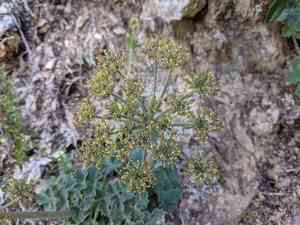
Napa biscuitroot flourishes most effectively when relocated in early spring or mid-summer, as these times are ideal for root development. Select a site that receives ample sunlight and has soil that drains efficiently for robust growth. Following transplantation, offer protection from direct sun and irrigate sparingly.
Essential Preparations Before Relocating Napa Biscuitroot?
Optimal Timing for Napa Biscuitroot Relocation?
Napa biscuitroot should ideally be moved in early spring or mid-summer. Early spring offers moist soil and cooler temperatures, lessening transplant shock and aiding root establishment. Mid-summer allows sufficient growth prior to dormancy. Transplanting during these periods ensures robust health and resilience, maximizing the plantâs perennial benefits.
Required Spacing Between Napa Biscuitroot Plants?
For relocating napa biscuitroot, ensure adequate room for growth by spacing them 18-24 inches (45-60 cm) apart. This spacing promotes ample air circulation and nutrient access for the plants.
Best Soil Blend for Napa Biscuitroot Relocation?
Prepare the soil by ensuring it drains well and is rich in organic matter. Incorporating compost or a balanced base fertilizer can boost soil fertility, making it ideal for napa biscuitroot.
Where to Replant Your Napa Biscuitroot?
Select a location that receives full sun to partial shade for napa biscuitroot. These plants thrive best with at least 6 hours of daily sunlight.
Equipment Needed Before Transplanting Napa Biscuitroot?
Gardening Gloves
To safeguard your hands while handling soil and plants.
Garden Spade or Shovel
For excavating around the plant to remove it from its initial spot and for preparing the new planting site.
Trowel
Useful for more precise digging tasks and managing the root ball.
Watering Can or Hose
For hydrating the soil before and after the relocation.
Wheelbarrow or Bucket
To move the plant if the new site is distant from its original position.
Mulch
To assist in retaining moisture around the plant post-transplant.
Stake and Tie Material
To provide support for the plant if it is tall or top-heavy after being moved.
How to Extract Napa Biscuitroot from the Ground?
How to Extract Napa Biscuitroot from the Ground?
From Ground: First, moisten the soil surrounding the napa biscuitroot. Then, use a shovel or garden spade to dig a wide trench around the plant, taking care to keep the root ball intact. Gradually work the spade beneath the root ball, gently lifting the napa biscuitroot from the ground.From Pot: Water the napa biscuitroot in its container to soften the soil. Carefully turn the pot on its side and gently tap the edges to loosen the soil. Support the plant's stem and carefully slide the napa biscuitroot out of the pot, being cautious not to harm the roots.From Seedling Tray: Water the seedlings thoroughly to make the soil easier to manage. Use a trowel to gently lift each napa biscuitroot seedling from the tray, ensuring to retain as much soil around the roots as possible.
Step-by-Step Guide for Relocating Napa Biscuitroot
Site Preparation
Prepare the new relocation site for your napa biscuitroot by digging a hole that is twice as wide and the same depth as the root ball. This ensures ample space for root expansion.
Soil Preparation
Loosen the soil at the base of the hole and incorporate some compost if necessary to enhance drainage and nutrients.
Transplanting
Position the napa biscuitroot into the hole, ensuring the root ball is level with the surrounding soil. Backfill around the root ball with soil and gently firm it down to eliminate air pockets.
Watering
Thoroughly water the napa biscuitroot immediately after transplanting to settle the soil around the roots.
Mulching
Apply a layer of mulch around the base of the napa biscuitroot to help retain moisture and suppress weed growth. Keep the mulch a few inches away from the stem to prevent stem rot.
Post-Transplant Care for Napa Biscuitroot
Watering
Maintain consistent moisture in the soil around the napa biscuitroot, avoiding sogginess, for the initial weeks after transplanting to aid in strong root establishment.
Support
If your napa biscuitroot is tall or top-heavy, utilize stakes and ties to provide support and prevent the plant from toppling.
Monitoring
Regularly inspect your napa biscuitroot for indications of transplant shock, such as wilting or yellowing leaves, and adjust care as needed.
Pruning
Remove any damaged or dead foliage to help the napa biscuitroot direct its energy towards new growth.
Pests and Diseases
Periodically check the napa biscuitroot for pests and diseases, and take prompt action if any are discovered to prevent further harm.
Resolving Common Issues with Napa Biscuitroot Relocation.
When is the optimal time to move napa biscuitroot?
The best time to move napa biscuitroot is early spring or mid-summer, promoting healthy growth.
What spacing is required between each napa biscuitroot plant?
Ensure each napa biscuitroot plant is spaced 18-24 inches (45-60 cm) apart for optimal growth.
Which soil type is best for relocating napa biscuitroot?
Well-draining, sandy or loamy soil is ideal for relocating napa biscuitroot for healthy root development.
How should I prepare the planting hole for napa biscuitroot?
Dig a hole double the width of the root ball and equal in depth to ensure stability.
How do I minimize transplant shock for napa biscuitroot?
Water thoroughly before and after transplanting, and handle the plant gently to reduce stress.
How often should I water napa biscuitroot after transplanting?
Water napa biscuitroot consistently for the first 2-3 weeks post-transplant to establish strong roots.
What kind of fertilizer is best for napa biscuitroot after transplanting?
Use a balanced, slow-release fertilizer to provide essential nutrients without overwhelming the plant.
How deep should I plant napa biscuitroot during transplanting?
Plant napa biscuitroot at the same depth it was in its original container, ensuring proper root coverage.
What should I do if the leaves of napa biscuitroot wilt after transplanting?
Increase watering frequency and provide partial shade if needed to help with recovery from wilting.
Is it necessary to prune napa biscuitroot after transplanting?
Light pruning of damaged or dead leaves can help napa biscuitroot focus energy on new growth post-transplant.



