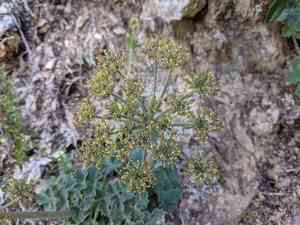
Napa biscuitroot (Lomatium repostum)
Also known as: None
The Napa biscuitroot, a hardy perennial herb, excels in arid environments due to several key adaptations. Its deep taproot enables it to tap into underground water reserves, ensuring survival during droughts. The finely divided leaves reduce water loss by minimizing surface area exposed to air. Early spring growth allows the plant to utilize moisture from winter rains before the onset of dry conditions. Moreover, its small, yellow flowers bloom in clusters on tall stems, enhancing pollination efficiency. The plant’s seed dormancy ensures that germination occurs only when moisture levels are adequate, further enhancing its resilience in arid landscapes.
In This Article
Attributes of Napa biscuitroot
Lifespan
Perennial
Plant Type
Herb
Plant Height
0.1 to 0.4 meters
Spread
0.2 to 0.6 meters
Leaf Color
Green
Flower Size
0.5 to 1 cm
Flower Color
Yellow
Images of Napa biscuitroot
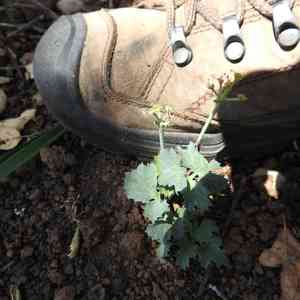
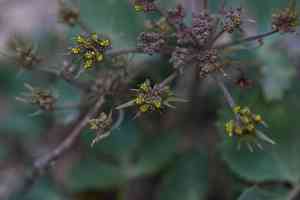
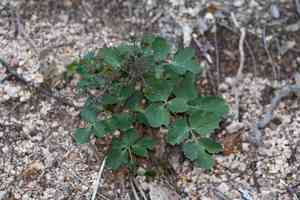
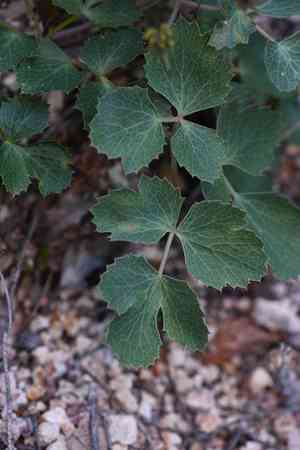
Quickly Identify Napa biscuitroot
1
Lomatium repostum can be identified by its compound, fern-like leaves and clusters of small, yellow flowers. The plant often grows low to the ground and forms dense mats or clumps.
Scientific Classification of Napa biscuitroot
Phylum
Vascular plants
Class
Dicotyledons
Order
Apiales
Family
Umbellifers
Genus
Biscuitroots
Species
Napa biscuitroot
Planting and Growing of Napa biscuitroot
Care Difficulty
Moderate
Watering Schedule
Every day
Sunlight Requirements
Full sun
Sunshine Duration
4-8 hours
Ideal Temperature
60-75℉
Soil Type
Potting Mix, Peat Mix
Soil pH
6.5-7.5
Fertilizer Type
Balanced
Pruning Season
Spring, Summer
Pruning Area
Branches, Leaves
Pruning Frequency
2 times a year
Repotting Season
Spring
Pot Type
Plastic, Terracotta
 How to Water Napa biscuitroot?
For Lomatium repostum, water thoroughly but less frequently, allowing the soil to dry out between watering. Use approximately 200 milliliters at each watering session, ensuring the water penetrates deeply to reach the root system.
What are the symptoms of an underwatered Napa biscuitroot?
›
What should I do if my Napa biscuitroot is not getting enough water?
›
What are the symptoms of an overwatered Napa biscuitroot?
›
How to save an overwatered Napa biscuitroot?
›
 What Are the Sunlight Requirements for Napa biscuitroot?
Lomatium repostum is best suited to environments that provide full sun to partial sun throughout the day. This promotes optimal growth and health of the plant.
Ideal Amount of Sunlight
›
Solution to Achieve Ideal Lighting
›
Benefits of Ideal Lighting
›
 What Is the Ideal Temperature Range for Napa biscuitroot?
For Lomatium repostum to thrive, it is vital to maintain a temperature range between 60°F and 75°F. This environment simulates its natural habitat and ensures optimal photosynthesis and nutrient uptake.
 What Soil is Best for Napa biscuitroot?
Lomatium repostum thrives in well-drained soil, which prevents root rot by allowing excess water to escape quickly. This is crucial for healthy root development and optimal plant growth. A nutrient-rich soil supports the vigorous growth of Lomatium repostum, providing essential minerals for lush foliage and robust blooms, enhancing both aesthetic appeal and plant health. Maintaining moderate moisture levels is key for this plant, as it helps to keep the roots hydrated without causing waterlogging, which can stress the plant.
 How to Fertilize Napa biscuitroot?
For Lomatium repostum, it's important to use a balanced fertilizer. A liquid fertilizer should be diluted to about half the recommended strength to avoid over-fertilization. For slow-release fertilizers, use a small amount, roughly one tablespoon per plant, to ensure nutrients are available over a longer period without overwhelming the plant.
 How to Prune Napa biscuitroot?
Start by inspecting the plant for any dead or damaged stems, which should be removed first. Use sharp, clean pruning shears to make clean cuts near the base of the affected stems. Then, focus on creating an open structure that allows light and air to penetrate the center of the plant. Trim back any excessively long stems to promote a bushier appearance and more vibrant blooms.
More About Pruning Techniques→
 How to Propagate Napa biscuitroot plant?
1
Start with a well-draining soil mix for seeds or divisions. Amend with organic matter to enhance nutrient content and ensure a friable soil structure.
2
Scatter the seeds evenly on the soil surface in seed trays, and lightly cover them with a thin layer of soil. Water gently to settle the seeds into the soil without displacing them.
3
For division, carefully dig up the parent plant in early spring. Gently separate the roots into smaller sections, ensuring each section has a healthy root system attached.
 How to Repot Napa biscuitroot plant?
1
Look for signals such as roots poking out from the drainage holes or growing in a circle at the base, and when the plant seems stunted despite good care. These signs indicate it's time to give Lomatium repostum a roomier home to encourage healthy growth.
2
Select a pot that's one size larger than the current one, ensuring it has ample drainage holes to prevent waterlogging, which can lead to root rot. The right pot size allows roots to expand, promoting vigorous growth, while preventing excess soil which retains more water than needed.
3
Opt for a well-draining sandy loam, which mimics the plant's native habitat and prevents water retention, reducing the risk of root rot. This soil composition ensures a balance of nutrients and excellent drainage, crucial for the plant's health and vitality.
Learn More About Napa biscuitroot Diseases
Anthracnose
Bacterial Leaf Spot
Bacterial Soft Rot
Bacterial Wilt
Crown Gall
Cyst Nematode
Damping-off
Downy Mildew
Drought Stress
Fusarium Wilt
Gray Mold
Leaf Curl
Leaf Spot
Mosaic
Nutrient Deficiency
Nutrient Toxicity
Powdery Mildew
Root Rot
Root-knot Nematode
Rusts
Sooty Mold
Spider Mites
Temperature Stress
Thrips Damage
White Mold
Chemical Injury



