How to Propagate Napa biscuitroot?
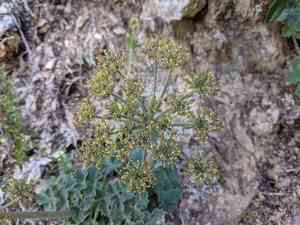
Napa biscuitroot flourishes in adequately drained ground exposed to ample sunlight. To propagate, sow seeds in a seed tray containing sandy substrate, keeping it moist but not saturated. Sprouting may be gradual; contemplate employing a cold stratification method to boost germination success. Once sprouted, transplant the seedlings directly to their intended location. Minimize disruption to the nascent plants to foster vigorous development.
When Is the Optimal Time to Propagate Napa Biscuitroot?
Propagation Type
Sowing
Propagation Season
Spring
What Equipment Is Used for Napa Biscuitroot Propagation?
Seed Trays
Seed trays are vital for initiating napa biscuitroot seeds indoors or within a controlled setting. They offer consistent space for seeds to sprout and develop without weed competition. The design should facilitate good drainage to prevent waterlogging, which can harm seedling health.
Heat Mats
Heat mats assist in maintaining an ideal temperature for germination, which is crucial for successful napa biscuitroot propagation. They ensure a steady warm environment, which can accelerate the germination process and boost the germination rate.
Seedling Grow Lights
These lights supply the necessary light spectrum for seedling growth, particularly when natural sunlight is insufficient. Napa biscuitroot seedlings benefit from regulated light conditions that encourage robust growth and prevent etiolation.
Fine Soil Mix or Seed Starting Mix
A fine soil mix or seed starting mix is essential for napa biscuitroot as it provides a balanced medium that promotes strong root development. The mix should be light and well-draining yet capable of retaining sufficient moisture to support seedling growth.
Misting Bottles
Misting bottles are employed to gently water delicate napa biscuitroot seedlings without dislodging them or compacting the soil. Fine misting ensures young plants receive adequate, uniform moisture.
Humidity Domes or Covers
These are utilized to create a humid environment favorable for napa biscuitroot seed germination. Humidity domes help maintain consistent moisture levels and temperatures, reducing the risk of seedling drying out.
How to Propagate Napa Biscuitroot?
Propagation Type
Easy
How to Care for Your Newly Propagated Napa Biscuitroot?
How to Care for Your Newly Propagated Napa Biscuitroot?
Following germination and thinning, napa biscuitroot seedlings should be gradually accustomed to outdoor conditions if started indoors. Plant them in a location with full sun and well-drained soil. Water them moderately, allowing the soil to dry out slightly between waterings. Apply mulch around the seedlings to retain moisture and control weeds, but avoid placing mulch directly against the stems to prevent rot. Monitor for pests and diseases, and provide occasional feeding with a balanced, low-nitrogen fertilizer.
Common Errors to Avoid When Propagating Napa Biscuitroot
Overwatering
Excessive water can lead to root rot, as napa biscuitroot prefers well-drained, rocky soils.
Incorrect Soil Composition
Using rich or heavy soils can hinder drainage and result in poor root development.
Improper Seed Handling
Failing to stratify seeds before planting can reduce germination rates. Napa biscuitroot seeds require a period of cold stratification to break dormancy.
Inadequate Sunlight
Napa biscuitroot needs full sun to thrive; planting it in shaded areas can stunt growth and diminish flowering.
Tips For Propagating Napa Biscuitroot
Well-Drained Soil
Utilize a gritty, rocky soil mix to mimic napa biscuitroot's natural habitat and prevent root rot.
Cold Stratification
Store seeds in a moist medium in the refrigerator for several weeks prior to planting to ensure successful germination.
Full Sun Exposure
Plant napa biscuitroot in a spot where it will receive at least 6-8 hours of direct sunlight daily.
Regular Monitoring
Check soil moisture frequently and adjust watering practices to keep the soil slightly moist but never waterlogged.



