How to Transplant Purple leptotaenia?
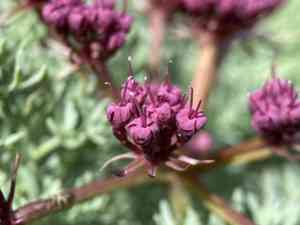
The most favorable period for relocating purple leptotaenia spans from early to mid-spring, owing to conducive environmental factors. This species flourishes in brightly lit areas featuring soil that drains effectively. Guarantee minimal disruption to the root system for optimal outcomes.
What Preparations are Needed Before Transplanting Purple Leptotaenia?
What is the Ideal Time for Transplanting Purple Leptotaenia?
The best time to move purple leptotaenia is from the beginning of early spring until the end of late spring. This period ensures the ground is unfrozen and damp, encouraging robust root growth and minimizing transplant stress. Additionally, the cooler temperatures during this season support steady development and adaptation, boosting the plant's overall health and vigor post-transplantation.
How Much Space Should You Leave Between Purple Leptotaenia Plants?
Make sure to position purple leptotaenia approximately 12-18 inches (30-45 cm) apart to provide each plant ample room for growth and flourishing.
What is the Best Soil Mix for Purple Leptotaenia Transplanting?
Prepare the soil for purple leptotaenia by selecting a type that drains effectively. Incorporate a balanced, all-purpose fertilizer before planting to give the roots a strong start.
Where Should You Relocate Your Purple Leptotaenia?
Select a sunny location for purple leptotaenia where it can receive at least 6 hours of direct sunlight daily. This aids in the plant's healthy and vigorous development.
What Equipments Should You Prepare Before Transplantation Purple Leptotaenia?
Gardening Gloves
To safeguard your hands while handling soil and plants.
Shovel or Spade
For digging around the plant and preparing the new planting spot.
Trowel
Useful for smaller soil movements and precise work near the plant's roots.
Watering Can or Hose
To hydrate the plant before and after moving it to lessen transplant shock.
Wheelbarrow or Large Container
To move the plant from its original spot to the new location if necessary.
Mulch
To help retain soil moisture and prevent weeds after transplanting.
How Do You Remove Purple Leptotaenia from the Soil?
How Do You Remove Purple Leptotaenia from the Soil?
From Ground: First, water the purple leptotaenia plant to moisten the soil. Then, dig a wide trench around the plant using a shovel or spade, ensuring the plant's root ball stays intact. Carefully work the spade beneath the root ball to lift the plant from its original spot.From Pot: Water the purple leptotaenia plant thoroughly to facilitate its removal. Gently tilt the pot on its side and tap the edges to loosen the root ball. If the plant remains stuck, run a trowel around the perimeter between the soil and the pot. Carefully slide the plant out of the pot, supporting the root ball.From Seedling Tray: Water the seedlings to dampen the soil. Use a trowel or your fingers to gently loosen the soil around the seedling. Carefully lift the seedling by its leaves or stem, making sure to keep the roots intact with some soil attached.
Step-by-Step Guide for Transplanting Purple Leptotaenia
Prepare the New Site
Dig a hole that is slightly larger than the root ball of the purple leptotaenia plant. Ensure the hole is deep enough so that the base of the plant will be level with or slightly above the surrounding soil.
Transition the Plant
If moving the plant from another location, gently place the purple leptotaenia plant in a wheelbarrow or large container to transport it to the new site.
Place the Plant
Position the purple leptotaenia plant in the center of the prepared hole. Make sure the plant is upright and at the correct depth. Begin filling in the hole with soil, gently pressing it around the root ball to eliminate air pockets.
Water the Plant
Thoroughly water the newly transplanted purple leptotaenia plant to help settle the soil and reduce transplant shock.
Add Mulch
Apply a layer of mulch around the base of the plant to retain moisture and suppress weeds. Keep the mulch a few inches away from the plant stem to prevent rot.
How Do You Care For Purple Leptotaenia After Transplanting?
Watering
Keep the soil around the purple leptotaenia consistently moist, but not waterlogged, for the initial weeks after transplanting to help establish strong roots.
Monitoring
Regularly inspect the purple leptotaenia plant for any indications of wilting or stress, adjusting watering as needed. Watch for pests or diseases and take appropriate action if necessary.
Support
If the plant is tall or has a weak stem, consider providing support, such as a stake or trellis, to help it remain upright as it establishes itself in the new location.
Mulching
Periodically check the mulch layer and replenish it as needed to ensure the soil stays moist and weed-free.
Troubleshooting Common Issues with Purple Leptotaenia Transplantation.
When is the best time to transplant purple leptotaenia?
Early spring to late spring is the ideal window for transplanting purple leptotaenia.
How should I space purple leptotaenia during transplanting?
Space purple leptotaenia plants 12-18 inches (30-45 cm) apart for optimal growth.
What soil conditions does purple leptotaenia prefer?
Purple leptotaenia thrives in well-draining soil with moderate fertility. Ensure no waterlogging.
How do I prepare the soil before transplanting purple leptotaenia?
Loosen the soil about 10 inches (25 cm) deep and mix in some compost.
How should I water purple leptotaenia after transplanting?
Water thoroughly after transplanting and maintain consistent moisture until established.
Should I fertilize purple leptotaenia after transplanting?
Light fertilizing after transplanting can help, but avoid over-fertilizing to prevent root burn.
How do I protect purple leptotaenia from transplant shock?
Water regularly, mulch to retain moisture, and shield from harsh sun for a few days.
What if purple leptotaenia shows signs of stress after transplant?
Ensure proper watering, avoid disturbing roots, and check for pests or diseases.
Can I transplant purple leptotaenia in full sun?
Yes, purple leptotaenia prefers full sun, but initially provide partial shade to reduce stress.
How deep should I plant purple leptotaenia during transplanting?
Plant purple leptotaenia at the same depth it was growing previously, keeping the root ball intact.



