How to Prune Purple leptotaenia?
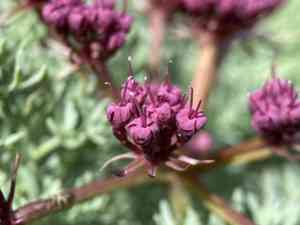
Purple leptotaenia is a unique botanical specimen recognized for its abundant leaves and striking violet blossoms. Trim purple leptotaenia during the initial part of spring or the latter part of winter to foster robust development and control its form. Remove any lifeless or injured stalks and excessively thick sections to enhance air movement. Exercise care to avoid excessive trimming, as purple leptotaenia thrives by preserving a portion of its foliage for light conversion. Consistent, light trimming boosts the plant's general well-being, preserves its visual appeal, and stimulates prolific flowering.
What Are the Benefits of Pruning Purple Leptotaenia?
What Are the Benefits of Pruning Purple Leptotaenia?
Trimming purple leptotaenia promotes robust development and helps maintain its desired form. By eliminating dead or overgrown branches, gardeners can enhance air circulation, prevent illness, and enable the plant to focus energy on healthy growth and blooming.
What Is the Best Time for Pruning Purple Leptotaenia?
What Is the Best Time for Pruning Purple Leptotaenia?
Trimming purple leptotaenia in early spring or late winter is optimal as this period aligns with the plant's dormant phase or the very start of its growth cycle. During these times, the plant has not yet produced new growth, minimizing the risk of harm and stress. Furthermore, pruning during late winter or early spring allows gardeners to shape the plant and remove any dead or damaged branches before the growing season begins, fostering healthier, more vigorous growth and improved flowering or fruiting outcomes.
What Tools Do I Need to Prune Purple Leptotaenia?
Pruning Shears
Perfect for precise cuts on slender stems and branches. They aid in preserving the plant's form and vitality.
Bypass Loppers
Effective for severing thicker stems. They provide greater leverage and are suitable for reaching deeper areas of the plant.
Pruning Saw
Essential for removing larger, woody stems. Ensures clean cuts without harming the plant.
Hand Pruners
Ideal for deadheading and removing small, lifeless parts of the plant. Helps stimulate new growth and overall vigor.
How to Prune Purple Leptotaenia
Inspect
Thoroughly examine purple leptotaenia for any diseased or withered foliage. Identify these leaves by their discoloration, spots, or shriveled appearance.
Prepare
Sanitize your pruning tools with a solution of one part bleach to nine parts water or use a commercial disinfectant. This helps prevent the spread of disease.
Pruning Diseased Leaves
Carefully remove any diseased leaves first. Cut them back to healthy tissue, making sure to dispose of the diseased material properly, away from other plants to prevent contamination.
Pruning Withered Leaves
Next, trim away the withered leaves. Cut them back to their base or to where they join healthy tissue. Ensure that you make clean cuts to promote faster healing.
Cleanup
After pruning, clean up the area around purple leptotaenia. Remove and dispose of all trimmed leaves and debris. Sanitize your pruning tools again after use to maintain plant health.
Common Pruning Mistakes with Purple Leptotaenia
Incorrect Technique
Improper use of pruning tools can cause ragged cuts, leading to increased susceptibility to diseases. For example, using dull or inappropriate tools can harm the plant's tissue.
Over-pruning
Removing too much foliage or too many branches can stress purple leptotaenia, reducing its ability to photosynthesize effectively, potentially leading to poor growth or flowering.
Pruning at Wrong Points
Cutting branches too close to the main stem or leaving long stubs can result in poor healing and make the plant more vulnerable to pests and diseases.
Ignoring Dead or Diseased Parts
Failing to remove dead, diseased, or damaged parts can spread disease and hinder healthy growth.
Common Pruning Tips for Purple Leptotaenia
Use Sharp, Clean Tools
Always use sharp and clean pruning shears to make clean cuts and avoid the spread of disease. Sterilize tools between cuts, especially if dealing with any diseased sections of purple leptotaenia.
Prune Gradually
Remove small amounts at a time to avoid stressing purple leptotaenia. Itâs better to make a few smaller cuts and come back later to make further adjustments instead of removing large sections all at once.
Cut at Proper Angles
Make cuts at a 45-degree angle just above a bud facing outward. This encourages new growth to emerge outward rather than inward, promoting a better shape and allowing more light and air to reach the center of the plant.
Remove Dead and Diseased Sections First
Prioritize removing any dead or diseased branches to prevent the spread of pathogens. Cut back to healthy wood and dispose of the infected material properly.
Monitor Plant Health
After pruning, monitor purple leptotaenia for signs of stress or disease, and make adjustments or further prunings as necessary to maintain plant health.



