How to Propagate Purple leptotaenia?
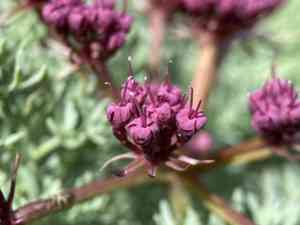
The luxuriant, fern-like leaves and vivid violet blossoms of purple leptotaenia establish it as a beloved garden specimen. To achieve effective propagation, employ the direct seeding technique by embedding seeds directly into adequately draining earth. Confirm that the seeds are delicately covered and sustained in a damp state until sprouting occurs. This approach ensures robust development, safeguarding the distinct characteristics of this enchanting flora.
Optimal Time for Purple Leptotaenia Propagation
Propagation Method
Seeding
Propagation Period
Spring
Tools Required for Purple Leptotaenia Propagation
Seed Trays
Seed trays offer a regulated setting for germinating purple leptotaenia seeds. They aid in organizing seeds efficiently and simplify monitoring during early growth. The small compartments also ensure seedlings have individual space for root system development, minimizing disruption and fostering healthier growth.
Seed Starting Mix
A seed starting mix is a specially formulated soil medium that supports seed germination. It is light, well-draining, and typically free of pathogens. Using a high-quality seed starting mix is crucial for purple leptotaenia, as it ensures the seeds have the right balance of moisture and air, encouraging vigorous root development and preventing damping-off disease.
Humidity Dome
A humidity dome placed over seed trays maintains optimal humidity levels, which is crucial for seed germination. For purple leptotaenia, maintaining a consistently humid environment helps in quicker and more uniform sprouting of seeds. The dome also protects young seedlings from drying out.
Heat Mat
A heat mat placed under seed trays provides bottom heat, which accelerates the germination process for purple leptotaenia. Consistent warmth can significantly improve germination rates, as purple leptotaenia may require higher temperatures to break dormancy and initiate growth. It also ensures even heating, preventing cold spots that can inhibit seedling development.
Seed Labels
Using seed labels helps in keeping track of different seeds being germinated, especially if propagating multiple species. Proper labeling ensures that each seedling of purple leptotaenia can be identified effortlessly, which is vital for tracking growth progress and administering care specific to this plant species.
Mister or Spray Bottle
A mister or a spray bottle is necessary to maintain adequate moisture levels without displacing the seeds or seedlings. Gentle misting ensures that the soil in seed trays stays consistently moist, which is critical for the germination of purple leptotaenia. It prevents over-watering and reduces the risk of fungal infections from soggy soil.
Garden Trowel
A garden trowel assists in transplanting seedlings from seed trays to their final growing location with minimal root disturbance. For purple leptotaenia, careful handling during transplantation is important to prevent transplant shock, ensuring the seedlings remain healthy and continue to develop robust root systems.
Propagating Purple Leptotaenia
Propagation Type
Simple
Caring for Your Newly Propagated Purple Leptotaenia
Caring for Your Newly Propagated Purple Leptotaenia
After transplantation, water the young purple leptotaenia consistently, keeping the soil evenly moist but not soggy. Gradually reduce watering frequency as the plants establish. Place the plants in a sunny or partially shaded location with well-draining soil. Protect the plants from extreme temperatures and monitor for pests or diseases. Mulching around the base can help retain moisture and suppress weeds.
Common Errors to Avoid When Propagating Purple Leptotaenia
Overwatering
This can lead to root rot, which is particularly harmful to purple leptotaenia due to its preference for well-drained soil conditions.
Using Heavy Soils
Purple leptotaenia thrives in well-drained, sandy or rocky soils. Heavy soils can hinder root development and cause waterlogging.
Incorrect Light Conditions
Providing either too little or too much sunlight can stress purple leptotaenia, as it requires a balance of bright but indirect light.
Neglecting Seed Stratification
Failing to stratify seeds can significantly reduce germination rates, as purple leptotaenia's seeds often need a cold, moist period to break dormancy.
Improper Spacing
Planting purple leptotaenia too closely can lead to competition for nutrients and light, resulting in poor growth and increased susceptibility to disease.
Tips For Propagating Purple Leptotaenia
Ensure Well-Drained Soil
Using sandy or rocky soil mixes can help prevent root rot and enable healthier root growth.
Seed Stratification
Expose the seeds to a period of cold, moist conditions to improve germination success. This can be done by placing them in the refrigerator for a few weeks.
Controlled Watering
Maintain a moderate watering schedule to keep the soil moist but not waterlogged, reducing the risk of root rot.
Balanced Light Exposure
Provide bright but indirect light to mimic purple leptotaenia's natural habitat, promoting healthier growth.
Adequate Spacing
Space the plants properly to ensure they have enough room to grow and access sufficient nutrients and light.



