How to Transplant Rough blazing star?
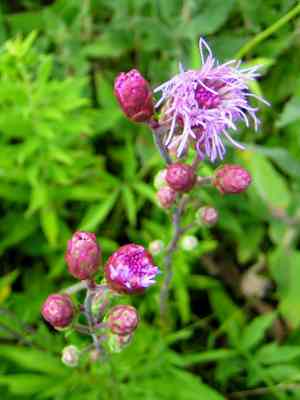
Introduce rough blazing star during the revitalization of early to mid-spring, an ideal period for root development. Provide a bright spot with soil that drains effectively. When relocating rough blazing star, preserve substantial soil masses to safeguard its fragile root system.
What Preparations are Needed Before Transplanting Rough Blazing Star?
What is the Ideal Time for Transplanting Rough Blazing Star?
The optimal period for relocating rough blazing star is at the onset of spring – specifically, early to mid-spring. Moving rough blazing star during this time leverages the cool yet warming ground temperatures, which is crucial for root establishment prior to the full intensity of summer. This timing provides rough blazing star the entire growing season to develop a strong root system, essential for enduring future heat and drought. Ensuring rough blazing star is settled in its new spot at this point allows it to benefit from spring rains, promoting vigorous growth. A spring transplant sets rough blazing star up for robust health and vibrant blooms!
How Much Space Should You Leave Between Rough Blazing Star Plants?
When transplanting rough blazing star, allow ample room for growth! Aim for a spacing of approximately 1-2 feet (30-60 cm) between plants. This ensures they have sufficient area to thrive while maintaining an attractive garden display.
What is the Best Soil Mix for Rough Blazing Star Transplanting?
For rough blazing star, prepare your soil with a well-draining loamy or sandy mixture. An initial fertilizer rich in organic matter is perfect. This enhances the soil's nutrient content, giving your plants a healthy start.
Where Should You Relocate Your Rough Blazing Star?
Rough blazing star thrives with plenty of sunlight, so select a spot that receives full sun exposure for optimal development. Such a bright location will help your plants remain vibrant and produce beautiful flowers.
What Equipments Should You Prepare Before Transplantation Rough Blazing Star?
Gardening Gloves
To safeguard your hands while handling soil and the rough blazing star plant.
Shovel or Spade
For digging a hole for transplanting and extracting the plant from its original position.
Garden Trowel
To refine the planting hole and remove excess soil before transplanting.
Watering Can
To moisten the soil in the new location and around the rough blazing star's root ball both before and after transplanting.
Stake and Ties
To offer support for rough blazing star during its initial days in the new spot, if needed.
How Do You Remove Rough Blazing Star from the Soil?
How Do You Remove Rough Blazing Star from the Soil?
From Ground: First, water the rough blazing star plant to moisten the soil. Then, carefully dig a wide circle around the plant with a shovel, avoiding root damage. Try to keep the plant's root ball as intact as possible. Gently work the spade beneath the root ball to lift the plant.From Pot: Water the potted rough blazing star plant thoroughly. Turn the pot on its side and gently ease the plant out, supporting it at the base of the main stem. Be careful not to pull hard and harm the plant or roots.From Seedling Tray: If the rough blazing star plant is small and still in a seedling tray, lightly water it before removal. Then, carefully push up from the bottom of the tray to gently extract the seedling.
Step-by-Step Guide for Transplanting Rough Blazing Star
Preparation
Prepare the new site by digging a hole twice as wide and the same depth as the rough blazing star's root ball. You can check the size by placing your uprooted plant inside.
Placing the Plant
Gently position the rough blazing star plant in the hole, ensuring the top of the root ball is level with the surrounding ground.
Filling the Hole
Backfill around the root ball with soil, gently firming it with your hands to eliminate air pockets. Be gentle; over-compacting can hinder root growth.
Watering
Once planted, water the rough blazing star thoroughly. This helps settle the soil and hydrate the plant.
Supporting
If necessary, install a support stake at this point, being careful not to damage the root ball. Use soft ties to secure the rough blazing star plant to the stake.
How Do You Care For Rough Blazing Star After Transplanting?
Watering Schedule
After one week, water the rough blazing star when the soil feels dry to the touch beneath the surface. Both excessive and insufficient watering can be detrimental, so regularly monitor moisture levels.
Support
If a plant stake was used, check periodically to ensure it's not harming the stem or impeding natural growth. Adjust the ties as needed.
Checking Health
Regularly observe the rough blazing star plant's health. Yellow or drooping leaves typically indicate stress, which can stem from water, light, or nutrient imbalances. Should this occur, review your care routine for any inconsistencies.
Troubleshooting Common Issues with Rough Blazing Star Transplantation.
When is the best time to transplant rough blazing star?
The ideal periods for transplanting rough blazing star are early or late in the growing season when temperatures are moderate. This means spring or autumn.
What is the recommended distance between each rough blazing star plant during transplant?
For healthy growth and improved development, it's beneficial to maintain a distance of 1 to 2 feet (0.3 to 0.6 meters) between each rough blazing star plant during transplantation.
I'm having trouble with rough blazing star wilting after transplanting. Why are they wilting?
Wilting could be due to transplant shock or insufficient water. Water thoroughly after transplanting and provide shade to lessen the impact of shock.
Why isn't my transplanted rough blazing star blooming even in the right season?
This might be due to inadequate sunlight or poor soil quality. Rough blazing star needs full sun and well-draining soil to flower. Consider testing and improving your soil.
Why do the leaves of my transplanted rough blazing star turn brown?
This could be caused by overwatering, disease, or improper sun exposure. Ensure rough blazing star is planted in well-draining soil, adhere to a watering schedule, and avoid intense midday sun.
How deep should I plant my rough blazing star during transplantation?
Transplant rough blazing star at the same depth it was in its original container. This aids the plant in adapting better to its new location.
What specific care does rough blazing star need just after transplantation?
Immediately after transplantation, rough blazing star requires frequent watering and may need temporary shade. As it establishes, gradually reduce watering and move it to its permanent sunny spot.
How can I protect my newly transplanted rough blazing star from frost?
Insulate your rough blazing star by applying mulch around its base. Mulch can shield the plant from extreme cold and help keep the soil warm.
Can I transplant rough blazing star from a pot to my garden?
Absolutely! Just ensure the garden soil drains well and the plant will receive ample sunlight. Remember to maintain the 1-2 feet (0.3-0.6 meters) planting distance.
What can I do if the transplanted rough blazing star shows no sign of growth?
First, confirm the plant is receiving sufficient sunlight and water. Then, check the soil pH level and adjust if necessary. If issues persist, consult a local extension service.



