How Much Sunlight Do Rough blazing star Need?
1
Rough blazing star flourishes in direct sunlight but can endure some shade.
2
Ample light enables Rough blazing star to optimize energy production, fostering strong development and vivid flowers.
3
Excessive shade may impede blooming, resulting in fewer blossoms.
Best Light Conditions for Rough blazing star
Full Sun Exposure
The Rough blazing star thrives when situated in areas receiving ample direct sunlight. This implies the plant should obtain at least six hours of direct sun daily. Under full sun, the plant achieves its peak growth and bloom potential. Sufficient sunlight enables the plant to generate necessary energy via photosynthesis, vital for its development.
Partial Shade Tolerance
While the Rough blazing star prefers full sun, it can endure partial shade. This means the plant can still develop reasonably well if it gets between four to six hours of direct sunlight per day. However, note that while it can survive in partial shade, you might observe fewer blooms and less vigorous growth compared to plants in full sun.
Sunlight's Influence on Rough blazing star Development
Photosynthesis and Energy Production
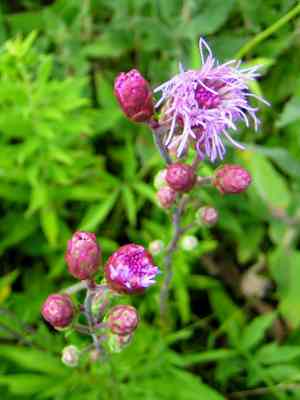
Sunlight is crucial for photosynthesis, the process where plants convert light into energy. For the Rough blazing star, abundant sunlight ensures the plant produces enough energy for robust growth and the formation of its distinctive, spiky flowers. Without adequate light, the plant's energy production from photosynthesis is hindered, leading to stunted growth and fewer blossoms.
Blooming and Flower Production
The flowering of the Rough blazing star is significantly affected by the amount of sunlight it receives. Optimal sunlight conditions encourage more prolific and vibrant flower production. Conversely, insufficient sunlight can result in fewer blooms. Proper sun exposure guarantees the plant has the resources needed to produce its unique, striking flowers.
Optimal Planting Spots for Sunlight
Garden Beds and Borders
To ensure your Rough blazing star gets the necessary sunlight, consider planting it in garden beds and borders not shaded by other plants or structures. Confirm these spots receive plenty of direct sunlight throughout the day. This placement also allows for excellent air circulation, which benefits the plant's health.
Meadows and Open Fields
For a more natural setting, placing the Rough blazing star in meadows or open fields can provide the full sunlight exposure it desires. These environments typically offer uninterrupted sunlight for most of the day, promoting optimal growth and flowering. Additionally, they create a beautiful, naturalistic landscape that can attract pollinators like bees and butterflies.
Protecting Rough blazing star from Excessive Sun
Using Shade Cloth
In regions with particularly intense sun, employing a shade cloth can shield the Rough blazing star from potential sunburn. The shade cloth can diffuse harsh sunlight, providing the plant with a more consistent and less severe light source. This practice helps prevent leaf scorching and maintains plant health during hot summer months.
Strategic Planting with Taller Plants
Another method to protect the Rough blazing star from too much sunlight is by strategically planting it near taller plants. These larger companions can offer some natural shade during the hottest parts of the day, creating a balanced light environment. However, ensure the taller plants do not completely overshadow the Rough blazing star, as it still requires significant sunlight.
Signs of Too Much or Too Little Sunlight
Symptoms of Sunburn
If the Rough blazing star is receiving excessive sunlight, you might observe signs of sunburn. These can include scorched or browned leaf edges and a dull, bleached appearance to the foliage. To alleviate this, consider providing some afternoon shade or using shade cloth during peak sunlight hours.
Indicators of Insufficient Light
Conversely, if the Rough blazing star isn't getting enough sunlight, the plant may show symptoms like leggy growth, pale green leaves, and reduced flower production. To remedy this, you should try to move the plant to a sunnier location or ensure any shading elements are minimized.



