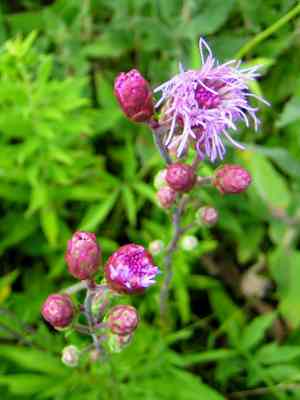
Rough blazing star (Liatris aspera)
Also known as: Lacerate, Gayfeather, Rough Liatris , Tall blazing star, Tall gayfeather
Rough blazing star is a pollinator paradise. Its late-season purple-tufted blooms attract monarch butterflies, hummingbirds, and bees. This perennial thrives in dry soils, making it a great choice for rock gardens. It has short, stiff hairs on its stem, giving rise to both its common and Latin names, as "aspera" is Latin for "rough."
In This Article
Attributes of Rough blazing star
Lifespan
Perennial
Plant Type
Herb
Plant Height
30 cm to 1.8 m
Spread
30 cm to 60 cm
Leaf Color
Green
Flower Size
2.5 cm
Flower Color
Purple Pink
Images of Rough blazing star
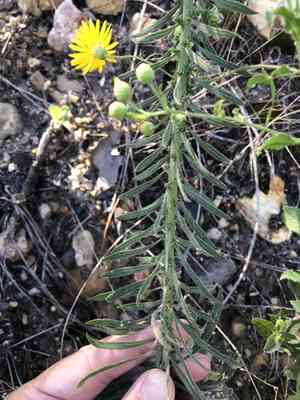
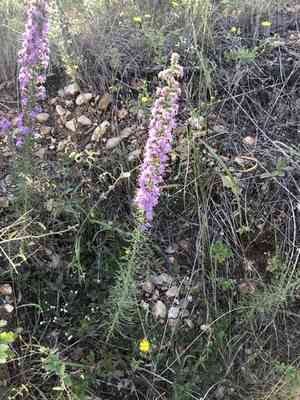
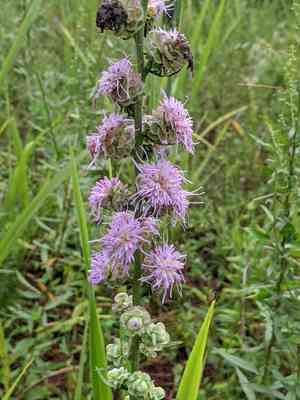
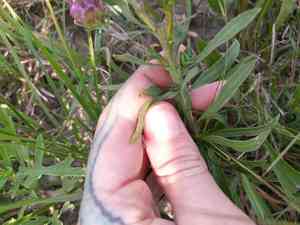
Quickly Identify Rough blazing star
1
Vibrant purple flowers in fluffy disc-shaped clusters along stems.
2
Narrow lance-shaped leaves, up to 12 inches long with pubescent texture.
3
Dry achenes with large tufts of stiff, greyish-brown hairs for wind dispersal.
4
Erect stem with green to dark red color and slight roughness from hairs.
5
Late-summer blooming reaching heights of 2-4 feet, attracting pollinators.
Scientific Classification of Rough blazing star
Phylum
Vascular plants
Class
Dicotyledons
Order
Asterales
Family
Daisy
Genus
Gay feathers
Species
Rough blazing star
Planting and Growing of Rough blazing star
Care Difficulty
Easy
Watering Schedule
Every 2 days
Sunlight Requirements
Full sun
Sunshine Duration
6-10 hours
Ideal Temperature
60-75℉
Soil Type
Potting Mix, Peat Mix
Soil pH
6.5-7.5
Fertilizer Type
Balanced
Pruning Season
Spring, Summer
Pruning Area
Branches, Leaves
Pruning Frequency
2 times a year
Repotting Season
Spring
Pot Type
Plastic, Ceramic
 How to Water Rough blazing star?
Liatris aspera should be watered thoroughly but infrequently. Ensure the water penetrates the top 6-8 inches of soil, which typically requires about 300 ml per session depending on soil conditions. This thorough watering encourages deep root growth, a key feature for a drought-tolerant plant.
What are the symptoms of an underwatered Rough blazing star?
›
What should I do if my Rough blazing star is not getting enough water?
›
What are the symptoms of an overwatered Rough blazing star?
›
How to save an overwatered Rough blazing star?
›
 What Are the Sunlight Requirements for Rough blazing star?
Liatris aspera flourishes in full to partial sun conditions, ideal for ensuring vigorous growth and maximal flowering. Ample sunlight supports healthy, upright growth and vivid flower production, crucial for a healthy plant.
More About Sunlight Requirements Techniques→
What is Liatris aspera's ideal light environment?
›
How can one achieve ideal lighting for Liatris aspera?
›
What are the benefits of Liatris aspera getting optimal sunlight?
›
 What Is the Ideal Temperature Range for Rough blazing star?
For Liatris aspera, an ideal temperature between 60°F and 75°F ensures optimal growth and health. Within this range, the plant can efficiently carry out photosynthesis and other metabolic processes without being stressed by overheating or chilling.
 What Soil is Best for Rough blazing star?
Liatris aspera thrives in well-drained soil conditions. This plant does not appreciate standing water, and good drainage helps prevent root rot. The right soil allows for the roots to breathe and access necessary oxygen. Providing nutrient-rich soil enhances the growth and blooming potential of Liatris aspera. This soil requirement ensures the plant receives adequate minerals and organic matter necessary for development. The ideal soil pH level for Liatris aspera falls between 6.5 and 7.5. This range allows for optimal nutrient absorption and overall plant health, preventing deficiencies and promoting vitality.
 How to Fertilize Rough blazing star?
Liatris aspera doesn't need heavy fertilization. For liquid fertilizers, use approximately one tablespoon per gallon of water. For slow-release granular fertilizers, about one to two tablespoons per plant are sufficient.
 How to Prune Rough blazing star?
Begin by observing the growth pattern of Liatris aspera. This plant grows upright, with floral spikes that develop in summer. Pruning should encourage better air circulation and stimulate productive flowering spikes. Trim the dead stalks and spent flower spikes with precision. Cut them back to about 1-2 inches from the plant base. This promotes new growth and allows the plant to conserve energy for healthier blooms. Prune during late winter or early spring when the plant is dormant. This timing helps the plant recover more rapidly and ensures that blooming is not adversely affected in its peak season.
More About Pruning Techniques→
 How to Propagate Rough blazing star plant?
1
Fill the seed tray with a fine-textured potting mix. Sow the Liatris aspera seeds on the surface and lightly cover them with a thin layer of soil. Maintain consistent moisture by gently misting the soil. Ensure good air circulation to prevent fungal diseases.
2
In spring, carefully dig up the plant and gently separate the root clumps with your hands or a sharp knife. Each division should have several buds and roots. Replant the divisions at the same depth as the original plant, water well, and monitor for growth.
3
Once the seedlings have developed a strong root system and several true leaves, transplant them into the garden or larger pots. Ensure the new soil is well-draining. Water immediately after transplanting and provide partial shade until the plants establish.
 How to Repot Rough blazing star plant?
1
Liatris aspera shows signs of needing repotting when the roots start circling the bottom of the container or poking out from drainage holes. Additionally, if growth becomes stunted or water seems to drain through the pot too quickly, it indicates it's time for a change. Ideally, undertake this task in early spring or fall, when the plant is naturally more resilient and stress-tolerant.
2
When selecting a pot for Liatris aspera, choose one that is only slightly larger—about one to two inches wider than the current pot. This prevents too much soil from staying soggy, which could lead to root rot. Opt for a container with adequate drainage holes to ensure excess water escapes easily, thus promoting healthy root development and minimizing overwatering risks.
3
For Liatris aspera, a well-draining sandy soil is crucial. This type of soil mimics the plant's natural habitat and prevents waterlogging, ensuring the roots stay healthy and rot-free. A mix that contains a good portion of sand or grit aids drainage while still holding sufficient nutrients to support the plant's growth. This balance helps the plant establish itself quickly in its new home.
Learn More About Rough blazing star Diseases
Anthracnose
Bacterial Leaf Spot
Bacterial Soft Rot
Bacterial Wilt
Crown Gall
Cyst Nematode
Damping-off
Downy Mildew
Drought Stress
Fusarium Wilt
Gray Mold
Leaf Spot
Mosaic
Nutrient Deficiency
Nutrient Toxicity
Powdery Mildew
Root Rot
Root-knot Nematode
Rusts
Sooty Mold
Spider Mites
Temperature Stress
Thrips Damage
White Mold



