How to Transplant Leucospermum royenifolium?
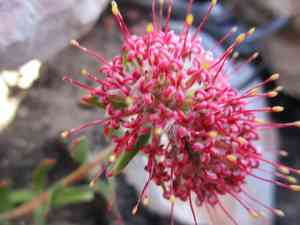
Leucospermum royenifolium flourishes when relocated during the temperate interval from mid-spring through early summer, preferring a bright and adequately draining site. This timeframe enables the root system to become firmly rooted prior to the intense summer heat, guaranteeing robust development.
What Preparations are Needed Before Relocating Leucospermum Royenifolium?
What is the Ideal Time for Relocating Leucospermum Royenifolium?
The best period for moving leucospermum royenifolium is from mid-spring to early summer. During this time, the ground is warming, but temperatures aren't excessively high, which helps minimize transplant shock. Ensuring the plant is established before the summer heat provides a strong start to its growing season, enhancing resilience and overall health.
How Much Space Should You Leave Between Leucospermum Royenifolium Plants?
When relocating leucospermum royenifolium, ensure each plant is spaced 36-48 inches (91-122 cm) apart. This spacing allows for adequate air circulation and provides each plant sufficient room for healthy development.
What is the Best Soil Mix for Leucospermum Royenifolium Relocation?
Prepare well-draining, acidic soil for leucospermum royenifolium. You can combine equal parts of sand, peat, and aged compost to achieve this. Incorporating a slow-release, balanced fertilizer at the base will promote vigorous growth.
Where Should You Relocate Your Leucospermum Royenifolium?
Select a sunny location for leucospermum royenifolium, as it thrives in full sunlight. Ensure the chosen spot receives at least 6-8 hours of direct sun daily to support optimal flowering and growth.
What Equipment Should You Prepare Before Relocating Leucospermum Royenifolium?
Gardening Gloves
To safeguard your hands while handling soil and the plant.
Shovel or Spade
For excavating the plant from its original spot and preparing the new planting area.
Trowel
For working with smaller plants and precisely managing the soil.
Pruning Shears
To trim any damaged or spent foliage during the relocation process.
Bucket or Watering Can
For hydrating the plant before and after its move.
Garden Fork
To gently loosen the soil surrounding the root ball.
Mulch
For insulating the soil and retaining moisture after the move.
How Do You Remove Leucospermum Royenifolium from the Soil?
How Do You Remove Leucospermum Royenifolium from the Soil?
From Ground: First, water the leucospermum royenifolium plant to moisten the soil. Then, dig a wide trench around the plant using a shovel or spade, ensuring the plant's root ball remains intact. Carefully work the spade beneath the root ball to lift the plant from its original location.From Pot: Water the leucospermum royenifolium plant thoroughly to loosen the soil. Gently tilt the pot on its side and slide the plant out, taking care not to harm the roots. If the plant is root-bound, carefully separate the roots.From Seedling Tray: Water the leucospermum royenifolium plant and then use a trowel or your hands to gently lift the seedling from the tray, being careful to support the root ball and avoid damaging the delicate roots.
Step-by-Step Guide for Relocating Leucospermum Royenifolium
Site Preparation
Choose a spot with adequate sunlight and room for your leucospermum royenifolium to reach its mature size. Prepare the planting hole to be twice as wide and the same depth as the plant's root ball.
Soil Amendment
Incorporate compost or other organic material into the planting hole to enhance soil quality and drainage.
Plant Placement
Position the leucospermum royenifolium into the hole, ensuring the top of the root ball is level with the surrounding soil. Backfill around the plant with soil, pressing gently to remove air pockets.
Watering
Water the plant thoroughly to help the soil settle around the roots.
Mulching
Apply a layer of mulch around the base of the leucospermum royenifolium plant to conserve moisture and regulate soil temperature.
How Do You Care For Leucospermum Royenifolium After Relocation?
Watering
Keep the soil around the leucospermum royenifolium consistently moist, but not waterlogged, for the initial few weeks after relocation to aid in establishing strong roots.
Monitoring
Regularly inspect the plant for signs of stress, such as wilting or yellowing leaves, and adjust care as necessary.
Protection
Consider providing some shade or wind protection for the first few weeks if the weather is excessively hot or windy.
Pruning
Remove any dead or damaged leaves to help the plant direct its energy towards new growth.
Troubleshooting Common Issues with Leucospermum Royenifolium Relocation.
When is the best time to relocate leucospermum royenifolium?
The optimal times are mid-spring, late spring, and early summer for relocating leucospermum royenifolium.
How much space should I leave between leucospermum royenifolium plants?
Maintain a distance of 36-48 inches (91-122 cm) between each leucospermum royenifolium plant.
How do I prepare the soil for relocating leucospermum royenifolium?
Use well-draining soil enriched with organic matter for successful relocation of leucospermum royenifolium.
What should I do if leucospermum royenifolium shows signs of relocation shock?
Water leucospermum royenifolium thoroughly and apply a root stimulator to help it recover from relocation shock.
How deep should I plant leucospermum royenifolium during relocation?
Plant leucospermum royenifolium at the same depth it was growing previously to avoid stress.
How do I ensure proper watering after relocating leucospermum royenifolium?
Water leucospermum royenifolium deeply and regularly, keeping the soil consistently moist but not waterlogged.
Can I relocate leucospermum royenifolium in a container?
Yes, use a container with good drainage, at least 18 inches (45 cm) deep and wide.
What should I do if the leaves of leucospermum royenifolium turn yellow post-relocation?
Check for overwatering or poor drainage, and ensure leucospermum royenifolium is in the right soil mix.
How do I handle the roots of leucospermum royenifolium when relocating?
Handle the roots gently and ensure they are spread out in the new location.
What type of mulch is best for leucospermum royenifolium after relocating?
Use organic mulch, like compost or bark chips, to retain moisture and regulate soil temperature.



