How to Prune Leucospermum royenifolium?
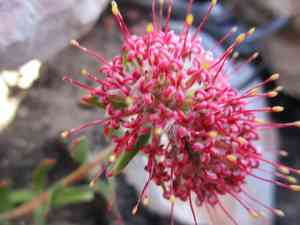
Leucospermum royenifolium, recognized for its impressive blooms and sturdy leaves, thrives with trimming to preserve its form and stimulate strong development. The ideal period for pruning Leucospermum royenifolium is in early spring, aligning with the emergence of new shoots. Essential methods involve excising deceased or injured branches, reducing dense sections to improve air movement, and sculpting the plant to uphold a preferred silhouette. Pruning additionally revitalizes mature specimens, fostering more abundant blossoming. Adhering to horticultural guidelines guarantees healthier and more visually appealing plants.
What Are the Benefits of Pruning Leucospermum Royenifolium?
What Are the Benefits of Pruning Leucospermum Royenifolium?
Trimming leucospermum royenifolium encourages robust development, maintains its form, boosts flowering, manages size, and improves overall plant vitality by eliminating dead or diseased limbs. Regular trimming promotes superior air circulation and light penetration, essential for plant health and disease prevention.
What Is the Best Time for Pruning Leucospermum Royenifolium?
What Is the Best Time for Pruning Leucospermum Royenifolium?
Trimming leucospermum royenifolium in early spring is ideal as this period coincides with the conclusion of its dormant phase and precedes its active growth cycle. Pruning at this time fosters vigorous new growth, allows for improved shape management, and prepares the plant for the upcoming bloom season. By pruning before the growth surge, the plant can efficiently direct energy towards producing strong and vibrant flowers, enhancing its overall health and aesthetic appeal.
What Tools Do I Need to Prune Leucospermum Royenifolium?
Bypass Pruners
Crucial for clean cuts on living, green wood, which supports healthier regrowth in leucospermum royenifolium.
Loppers
Perfect for cleanly cutting thicker branches (up to approximately 2 inches), enabling shaping and size management of leucospermum royenifolium.
Pruning Saw
Required for removing larger branches that loppers cannot handle, ensuring precise cuts that minimize harm to leucospermum royenifolium.
Sanitizing Solution
Important for preventing disease transmission between plants; always disinfect tools before use on leucospermum royenifolium.
How to Prune Leucospermum Royenifolium
Inspection
Carefully examine leucospermum royenifolium for diseased foliage, withered leaves, dead branches, and infected branches. Utilize clean, sharp sterilized pruning shears for accurate cuts.
Remove diseased leaves
Start by removing any infected leaves. Cut back to healthy tissue and properly dispose of the contaminated material to prevent disease spread.
Remove withered leaves
Trim away dried-up leaves. This helps to enhance air circulation and allows sunlight to reach healthier sections of the plant.
Remove dead branches
Carefully prune dead branches back to the main stem or branch junction. Ensure cuts are clean and precise to avoid damaging the primary plant structure.
Remove diseased branches
Identify and cut off infected branches by trimming back to healthy wood. Make sure the cut is smooth and dispose of the diseased branches properly.
Common Pruning Mistakes with Leucospermum Royenifolium
Pruning too hard
Excessive trimming can cause undue stress on leucospermum royenifolium, hindering growth and blooming. Over-pruning can also expose the plant to pests and diseases by creating large wounds, compromising its natural defense mechanisms.
Improper tools
Using dull or unsuitable tools can create jagged cuts that do not heal correctly, potentially making leucospermum royenifolium more vulnerable to infections. Always ensure your tools are sharp and appropriate for the branch thickness.
Incorrect technique
Cutting too close to the buds or leaving overly long stubs can both impede healthy new growth. Consistency in cut angles and placement is vital for the overall health of leucospermum royenifolium.
Ignoring seed heads
Removing seed heads too late or too early can disrupt the plant's natural cycle. Being too eager to deadhead can prevent leucospermum royenifolium from self-seeding, while neglecting seed heads might divert energy away from new growth.
Common Pruning Tips for Leucospermum Royenifolium
Use clean tools
Always begin with clean, sharp tools to make precise cuts and minimize the risk of disease transmission. Clean tools between cuts if working with multiple plants to prevent cross-contamination.
Prune lightly
Maintain a gentle pruning approach, removing only dead or weak wood, and lightly trimming to shape the plant. This encourages better air circulation and sunlight penetration without stressing leucospermum royenifolium.
Cut at an angle
Make cuts at a 45-degree angle, just above an outward-facing bud. This technique ensures that water drains off the cut surface, reducing the risk of rot and ensuring healthy regrowth.
Remove old flower heads
Gently remove spent flower heads to encourage further blooming and prevent seed development. This practice redirects the plantâs energy from seed production to growth and flowering.
Thin out dense growth
Periodically thin out overly dense areas to allow better air movement through the plant, reducing the risk of fungal diseases and ensuring even growth. Remove inward-growing or crossing branches to maintain a well-shaped structure.



