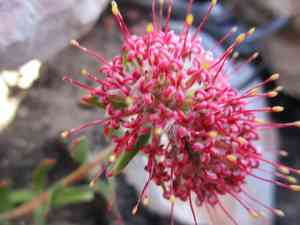
Leucospermum royenifolium (Leucospermum royenifolium)
Leucospermum royenifolium is a stunning shrub endemic to South Africa's fynbos region, adapted to dry, nutrient-poor soils. It captivates with fiery inflorescences that resemble pincushions, a signature trait among 'pincushion proteas'. These bright orange to red blooms are not only a visual spectacle but also attract a wealth of birdlife, ensuring pollination. Its leathery leaves, arranged in spirals, reflect leucospermum royenifolium's resilience to the harsh sunlight and occasional wildfires.
In This Article
Attributes of Leucospermum royenifolium
Lifespan
Perennial
Plant Type
Shrub
Plant Height
Approximately 1 meter
Spread
Around 1 meter
Leaf Color
Green
Flower Size
3-5 cm
Flower Color
Orange to yellow
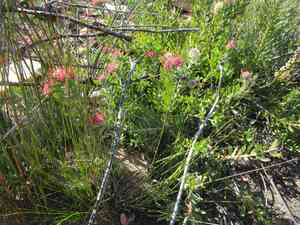
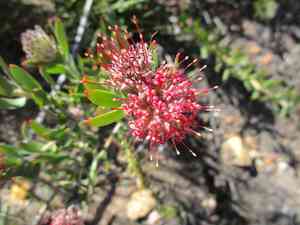
Images of Leucospermum royenifolium
Quickly Identify Leucospermum royenifolium
1
Leucospermum royenifolium can be identified by its needle-like leaves and distinctive, spherical, pincushion-like flower heads with protruding styles.
Scientific Classification of Leucospermum royenifolium
Phylum
Vascular plants
Class
Dicotyledons
Order
Proteales
Family
Protea
Genus
Pincushions
Species
Leucospermum royenifolium
Planting and Growing of Leucospermum royenifolium
Care Difficulty
Moderate
Watering Schedule
Every 2 days
Sunlight Requirements
Full sun
Sunshine Duration
4-6 hours
Ideal Temperature
60-75℉
Soil Type
Potting Mix, Peat Mix
Soil pH
5.8-6.8
Fertilizer Type
Balanced
Pruning Season
Spring, Summer
Pruning Area
Branches, Leaves
Pruning Frequency
2 times a year
Repotting Season
Spring
Pot Type
Plastic, Ceramic
 How to Water Leucospermum royenifolium?
For Leucospermum royenifolium, each watering session should soak the soil thoroughly, ensuring water reaches the root zone without leaving the soil waterlogged. Aim for about 300ml per watering to keep the roots healthy.
What are the symptoms of an underwatered Leucospermum royenifolium?
›
What should I do if my Leucospermum royenifolium is not getting enough water?
›
What are the symptoms of an overwatered Leucospermum royenifolium?
›
How to save an overwatered Leucospermum royenifolium?
›
 What Are the Sunlight Requirements for Leucospermum royenifolium?
Leucospermum royenifolium thrives best in full sun environments where it can receive up to 8 hours of sunlight. Adequate light ensures vibrant blooms and robust immunity against environmental stressors.
What is the best lighting condition for Leucospermum royenifolium?
›
How can I ensure my Leucospermum royenifolium gets its ideal lighting?
›
What are the benefits of ideal lighting for Leucospermum royenifolium?
›
 What Is the Ideal Temperature Range for Leucospermum royenifolium?
The ideal temperature range for Leucospermum royenifolium cultivation is between 60-75°F. Within this range, the plant experiences optimal growth and flowering, benefiting from moderate yet stable temperatures. Maintaining this range ensures robust foliage and healthy blooms.
 What Soil is Best for Leucospermum royenifolium?
Leucospermum royenifolium thrives in well-drained soil conditions, which prevent waterlogging and root rot. These conditions mimic its native habitat, allowing roots to access air and nutrients efficiently, leading to healthier plant growth. This plant prefers nutrient-poor soils, as excessive fertilization can lead to poor flowering and growth. The scarcity of nutrients encourages root development and strengthens the plant’s natural resilience. Leucospermum royenifolium thrives in soils with low organic matter, avoiding excessive microbial activity that can exhaust soil oxygen. This characteristic supports a balanced growth environment and maintains natural soil integrity.
 How to Fertilize Leucospermum royenifolium?
For Leucospermum royenifolium, it is important to apply fertilizers sparingly. When using liquid fertilizers, dilute it to half the strength recommended on the label, applying about 100-150 ml per plant. This helps avoid over-fertilization while ensuring the plant receives essential nutrients.
 How to Prune Leucospermum royenifolium?
Leucospermum royenifolium has a unique growth pattern, so understand the natural shape and flow of the plant. This helps in making thoughtful cuts that enhance the plant’s aesthetic while promoting healthy growth. Begin pruning by carefully inspecting the plant for any dead or damaged stems. Remove these parts to allow the plant to direct energy towards healthier growth and avoid pest infestations. Aim to maintain the plant's natural shape while pruning. Remove any crossing branches or those that disturb the plant’s symmetry, ensuring an open structure that allows for air circulation. Avoid cutting too many flowering stems to not compromise the plant's ability to bloom. Consider the plant’s overall health and blooming potential before making significant cuts.
More About Pruning Techniques→
 How to Propagate Leucospermum royenifolium plant?
1
Harvest seeds from mature Leucospermum royenifolium plants after their flowering season. Ensure seeds are fully ripe and dry them before sowing.
2
Sow the seeds in a well-draining mix. Cover them lightly with soil and keep in a warm, bright location. Water gently to avoid washing away seeds.
3
Use sharp shears to take semi-hardwood cuttings around 10cm long. Remove lower leaves and dip ends in rooting hormone to encourage root growth.
 How to Repot Leucospermum royenifolium plant?
1
Leucospermum royenifolium should be repotted when you notice roots growing through the drainage holes or the plant appearing stunted despite proper care. Additionally, if the soil dries out too quickly or the pot feels overly crowded, it's time for a change. These indicators suggest the plant has outgrown its current home.
2
Select a pot that's about 2 inches larger in diameter than the current one. It should have ample drainage holes to prevent waterlogging, which can harm the roots. A slightly larger pot ensures room for growth, while drainage holes maintain necessary soil aeration, vital for the plant's health.
3
A well-draining soil mix is essential; opt for one containing sand or perlite to replicate its natural environment. This mix prevents root rot by ensuring adequate drainage, while also offering sufficient aeration. The right soil mix boosts the plant's growth and flowering potential.
Learn More About Leucospermum royenifolium Diseases
Anthracnose
Bacterial Leaf Spot
Bacterial Wilt
Crown Gall
Cyst Nematode
Damping-off
Downy Mildew
Drought Stress
Fusarium Wilt
Gray Mold
Leaf Curl
Leaf Spot
Mosaic
Nutrient Deficiency
Nutrient Toxicity
Powdery Mildew
Root Rot
Root-knot Nematode
Rusts
Sooty Mold
Spider Mites
Temperature Stress
Thrips Damage
White Mold



