How to Transplant Oxeye daisy?
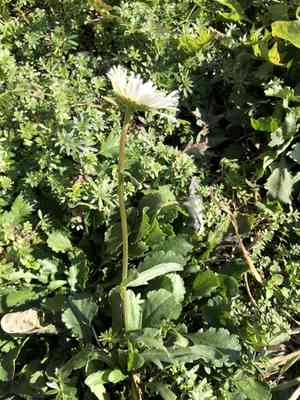
The ideal period for transplanting oxeye daisy extends from the renewal after winter's thaw until the approach of mid-summer, allowing roots to settle in favorable conditions. Select bright locations that offer good drainage; during the transfer, careful handling encourages subsequent flowering.
What Preparations are Needed Before Transplanting Oxeye Daisy?
What is the Ideal Time for Transplanting Oxeye Daisy?
The optimal period for relocating your oxeye daisy spans from early spring's thaw to the brink of summer's warmth. With moderate temperatures and extended daylight, this timing promotes strong root development and minimizes transplant stress. This prime opportunity allows your oxeye daisy to adapt and flourish in its new location, setting the stage for impressive growth and blooming in the coming months. A friendly reminder: observing nature's ideal schedule will result in a garden reflecting life's vibrancy!
How Much Space Should You Leave Between Oxeye Daisy Plants?
Hello, new gardeners! When moving your lovely oxeye daisy, give them ample room to expand by spacing them approximately 12-18 inches (30-46 cm) apart. This ensures each oxeye daisy has sufficient area to thrive and display their charming flowers!
What is the Best Soil Mix for Oxeye Daisy Transplanting?
For your oxeye daisy, well-drained soil is essential for their growth. Therefore, incorporate some compost or a balanced, slow-release fertilizer to give them an excellent start. This prepares their new environment with beneficial nutrients!
Where Should You Relocate Your Oxeye Daisy?
Your oxeye daisy loves the sun! So, select a garden spot that receives full sunlight for at least 6 hours daily. This bright location will help your oxeye daisy grow healthy and robust, producing many cheerful blossoms!
What Equipments Should You Prepare Before Transplantation Oxeye Daisy?
Gardening Gloves
To safeguard your hands while handling soil and the oxeye daisy.
Garden Shovel or Spade
For digging and moving the oxeye daisy.
Garden Fork
To loosen the soil around the roots if extracting from the ground.
Watering Can or Hose
To keep the roots hydrated during transfer.
Wheelbarrow or Plant Dolly
To transport the oxeye daisy if it is large or heavy.
Pruning Shears
To trim any damaged roots or foliage.
Organic Mulch
To assist in retaining soil moisture after transplanting.
How Do You Remove Oxeye Daisy from the Soil?
How Do You Remove Oxeye Daisy from the Soil?
From Ground: First, moisten the soil around the oxeye daisy. Dig a wide circle around the plant with a shovel or spade, ensuring a substantial portion of the root ball is included. Carefully work the tool beneath the root ball to lift the oxeye daisy from its original spot.From Pot: Water the oxeye daisy thoroughly. Tilt the container sideways and tap the bottom to loosen the root ball. Gently extract the plant from the pot by the base of the stems, avoiding the leaves.From Seedling Tray: Water the seedlings to ensure the soil is damp. Carefully loosen the soil around the desired oxeye daisy with a small tool or your fingers. Lift the seedling by the leaves or root ball, being careful not to harm the stem.
Step-by-Step Guide for Transplanting Oxeye Daisy
Digging Hole
Excavate a hole in the planting area that is twice the width of the root ball and of equal depth to allow the oxeye daisy's roots ample space to spread easily.
Prepare the oxeye daisy
Examine the root ball for any circling or girdling roots and gently separate them. Trim any damaged roots or foliage using pruning shears.
Plant Positioning
Position the oxeye daisy in the center of the hole, ensuring it stands upright. The top of the root ball should be level with the surrounding soil surface.
Backfilling
Refill the hole with the excavated soil, gently firming it around the root ball to eliminate air pockets without overly compacting the soil.
Watering
Water the oxeye daisy thoroughly to settle the soil and hydrate the roots. Consider adding a root stimulator to encourage robust root development.
Applying Mulch
Spread a layer of organic mulch around the base of the oxeye daisy, keeping it a few inches away from the stems to prevent rot and help maintain soil moisture.
How Do You Care For Oxeye Daisy After Transplanting?
Monitoring
Check on the oxeye daisy daily for the initial few weeks, looking for indications of transplant shock such as wilting or yellowing leaves.
Watering
Keep the soil around the oxeye daisy consistently moist to aid in establishing strong roots. Over several weeks, gradually decrease watering frequency to promote deeper root growth.
Mulching
Maintain the mulch layer to help regulate soil temperature and moisture levels.
Protection
Shield the oxeye daisy from harsh elements if necessary, using row covers or shade cloth to protect from extreme sun or wind while it is acclimating.
Pruning
Remove any dead or dying foliage to help the oxeye daisy conserve energy for root and new growth development.
Troubleshooting Common Issues with Oxeye Daisy Transplantation.
Whatâs the best time to transplant oxeye daisy?
The ideal transplanting period for oxeye daisy extends from early spring through the beginning of summer.
How far apart should oxeye daisy be spaced when transplanting?
Allow a distance of 12-18 inches (30-45 cm) between oxeye daisy to ensure adequate room for growth.
What soil conditions favor oxeye daisy's successful transplant?
Oxeye daisy thrives best when moved into well-draining soil, enriched with organic matter.
How deep should I dig to transplant oxeye daisy?
The hole should be only as deep as the root ball, but twice as wide, to encourage root spread.
Is it necessary to water oxeye daisy immediately after transplanting?
Yes, water the oxeye daisy thoroughly post-transplant to help roots settle and recover from the shock of moving.
How do I know if oxeye daisy is getting enough sunlight after transplanting?
Observe if the oxeye daisy is thriving; it should receive full to partial sunlight for robust growth.
What should I do if the leaves of oxeye daisy droop after transplanting?
Drooping is common; ensure the oxeye daisy is well-watered and not in hot, direct sunlight until established.
Can I use fertilizer immediately after transplanting oxeye daisy?
Avoid fertilizing right after transplanting; wait until the oxeye daisy is established, about 4-6 weeks later.
How do I avoid transplant shock in oxeye daisy?
Minimize root disturbance, water appropriately, and provide shade if needed during the initial days.
Should I prune oxeye daisy during transplanting?
Light pruning is helpful to balance root loss and encourage new growth, but donât overdo it.



