How Much Sunlight Do Oxeye daisy Need?
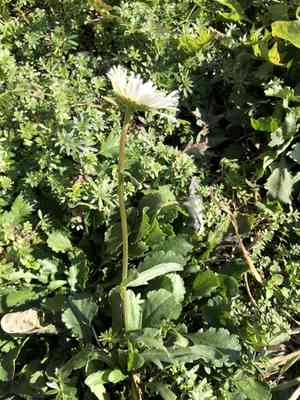
1
Oxeye daisy flourishes optimally with a minimum of 6 hours of direct sun each day.
2
Some shade is acceptable, though fewer flowers might be produced.
3
Adequate light not only enhances flowering but also lowers the chance of illnesses and infestations.
Optimal Solar Conditions for Oxeye Daisy
Full Sun Exposure
The Oxeye daisy is a heliotropic plant that flourishes in full sun. Ideally, they require a minimum of 6 hours of direct sunlight daily. In areas with mild climates, this can extend to 8 hours. Ample sun exposure promotes vigorous growth, vivid flower hues, and abundant blossoms. For a spectacular display from early summer to autumn, a sunny placement is vital.
Partial Shade Tolerance
Although the Oxeye daisy prefers full sun, it can endure partial shade. This means they can still develop with approximately 4-6 hours of daily sunlight. However, note that in shadier spots, the plant might not flower as profusely. Partial shade could also slightly prolong the blooming period, but with fewer flowers and potentially taller, lankier stems.
Consequences of Insufficient Sun for Oxeye Daisy
Reduced Bloom Production
When Oxeye Daisies don't receive enough sunlight, a primary indicator is a decrease in flower production. These daisies are known for their striking white flowers with yellow centers, and inadequate light results in fewer and smaller blooms. The plant may prioritize foliage growth over flowers, diminishing its visual appeal.
Etiolated Growth
A lack of proper sunlight can also lead to etiolated growth in the Oxeye daisy. This means the stems become longer and weaker as the plant stretches to find more light. Leggy plants are not only unattractive; they are also more susceptible to toppling or breaking, impacting the garden's overall health and aesthetics.
Diseases and Pests
Plants deprived of sufficient sunlight are often weaker and more vulnerable to diseases and pests. For Oxeye Daisies, low light conditions can heighten the risk of fungal infections, such as powdery mildew. Furthermore, a weakened plant is more likely to attract pests, causing additional harm. Ensuring adequate sunlight helps maintain the Oxeye daisy's overall health and resilience against common garden issues.
Ensuring Adequate Sunlight for Oxeye Daisy
Selecting the Right Spot
Choosing the correct location for your Oxeye daisy is crucial for providing ample sunlight. Seek out a garden area that receives abundant direct sunlight throughout the day. Ideally, this should be an open space away from large trees or structures that could cast shadows. South-facing positions typically offer the most consistent sun exposure. Remember, more sunlight means happier, more vibrant daisies.
Seasonal Sunlight Adjustments
Sunlight intensity and duration fluctuate with the seasons. During summer, ensure your Oxeye Daisies aren't overshadowed by fast-growing nearby plants. In autumn and winter, when the sun is lower, it might be necessary to relocate potted Oxeye Daisies to a sunnier spot or prune surrounding plants to prevent shading. Monitoring and adjusting their light environment seasonally helps consistently meet their light requirements.
FAQs on Oxeye Daisy Sunlight Needs
Can Oxeye Daisy Grow Indoors?
While it's feasible to cultivate Oxeye Daisies indoors, providing sufficient sunlight through windows alone can be challenging. They need at least 6 hours of direct sunlight, which is often difficult to achieve indoors without supplemental grow lights. If you opt for indoor cultivation, place them in the sunniest possible window, ideally south-facing, and use grow lights as needed.
What if Winter Sunlight is Limited?
In regions with reduced winter sunlight, you might be concerned about your Oxeye Daisies. As these perennials enter a dormant period in winter, decreased sunlight is less of an issue during these months. However, ensuring ample light during the growing season is vital. If growing in containers, consider supplemental lighting or moving them to a greenhouse to maintain light levels as much as possible in winter.



