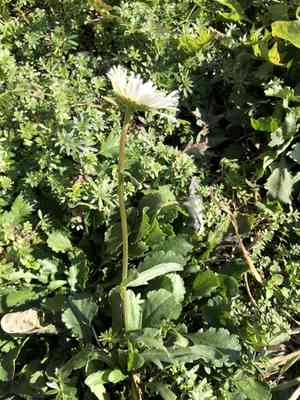
Oxeye daisy (Leucanthemum ircutianum)
Also known as: Ox-eye daisy
The Meadow Marguerite is a perennial, herbaceous plant that reaches stature heights of 30 to 60 centimeters. Its edged stalk is upright and usually unbranched. The spatulate leaves are arranged alternately. The lower leaves are usually roughly toothed, the upper ones less strong.
In This Article
Attributes of Oxeye daisy
Lifespan
Perennial
Plant Type
Herb
Plant Height
30 cm to 80 cm
Spread
Up to 1 foot
Leaf Color
Dark Green
Flower Size
2-3 inches
Flower Color
White
Images of Oxeye daisy

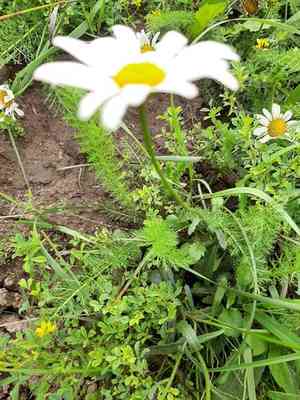

Quickly Identify Oxeye daisy
1
Identifiable by its classic daisy appearance with white petals and a yellow central disc. Leaves are dark green, lance-shaped, and toothed. The plant typically reaches a height of 1-2 feet. The stems are smooth and unbranched. Blooms mainly between June and August.
Scientific Classification of Oxeye daisy
Phylum
Vascular plants
Class
Dicotyledons
Order
Asterales
Family
Daisy
Genus
Daisies
Species
Oxeye daisy
Planting and Growing of Oxeye daisy
Care Difficulty
Easy
Watering Schedule
Every 4 days
Sunlight Requirements
Full sun
Sunshine Duration
4-6 hours
Ideal Temperature
60-75℉
Soil Type
Potting Mix, Peat Mix
Soil pH
6.5-7.5
Fertilizer Type
Balanced
Pruning Season
Spring, Summer
Pruning Area
Branches, Leaves
Pruning Frequency
2 times a year
Repotting Season
Spring
Pot Type
Plastic, Ceramic
 How to Water Oxeye daisy?
Leucanthemum ircutianum, commonly known as the meadow daisy, prefers evenly moist soil conditions. Ensure the water reaches a depth of about an inch into the soil. Avoid water logging to prevent root rot.
What are the symptoms of an underwatered Oxeye daisy?
›
What should I do if my Oxeye daisy is not getting enough water?
›
What are the symptoms of an overwatered Oxeye daisy?
›
How to save an overwatered Oxeye daisy?
›
 What Are the Sunlight Requirements for Oxeye daisy?
Leucanthemum ircutianum prospers in full to partial sun, as these conditions allow for optimal photosynthesis, leading to healthy growth and abundant flowering.
More About Sunlight Requirements Techniques→
What is the ideal lighting condition for Leucanthemum ircutianum?
›
How can you ensure the ideal lighting condition?
›
What benefits does ideal lighting provide for this plant?
›
 What Is the Ideal Temperature Range for Oxeye daisy?
The ideal temperature range for Leucanthemum ircutianum is between 60°F and 75°F. This range provides optimal conditions for its growth and ensures the health of the plant. Consistent temperatures within this range promote robust foliage development and abundant flowering.
 What Soil is Best for Oxeye daisy?
Leucanthemum ircutianum thrives in nutrient-rich soil that provides essential minerals and organic matter. This type of soil boosts the plant's growth and ensures vibrant blooms by supplying necessary nutrients for photosynthesis and development. Ensuring the soil is well-drained helps prevent root rot by allowing excess water to escape easily. This keeps the roots healthy and provides optimal conditions for the plant to absorb water and nutrients efficiently. While Leucanthemum ircutianum prefers moist conditions, it is crucial to maintain a balance to avoid waterlogging. Moderately moist soil supports healthy root development and sustained growth, particularly during dry periods.
 How to Fertilize Oxeye daisy?
Leucanthemum ircutianum benefits from a balanced fertilization approach. For liquid fertilizers, use a dilute solution, about 1/4 strength of the recommended dose on the package, ensuring it is well-watered into the soil to avoid concentration in one spot. This approach provides a steady supply of essential nutrients without overwhelming the plant.
 How to Prune Oxeye daisy?
Begin pruning by removing any dead or damaged stems and leaves to improve air circulation and reduce disease risk. Trim spent flower heads to encourage new blooms and maintain a tidy appearance. Cut just above the leaf nodes to stimulate bushier and more vigorous growth. For shaping, cut back the overall plant to control its size, focusing on maintaining a natural shape. Be conservative when trimming, as excessive pruning can stress the plant. The best time to shape is after the main flowering period to prevent loss of buds.
More About Pruning Techniques→
 How to Propagate Oxeye daisy plant?
1
Fill seed trays with a moist seed starting mix and sprinkle seeds thinly. Cover them lightly with a thin layer of soil and place them in a warm, bright location until germination occurs.
2
In early spring, select mature, healthy plants for division. Carefully dig them out, keeping a generous amount of soil with the roots. This minimizes root disturbance.
3
Gently separate the clumps, ensuring each division has several healthy shoots and roots. Replant them promptly in their new location, water well, and maintain consistent moisture.
 How to Repot Oxeye daisy plant?
1
Leucanthemum ircutianum shows signs that it needs repotting when you notice roots growing through the pot's drainage holes, the soil dries out quickly after watering, or the plant appears too large for its pot. These indicators suggest it's time to relocate your plant to a more spacious environment.
2
Select a pot that is one size larger than the current one, ensuring it has ample drainage holes. A larger pot prevents root-bound conditions and allows the plant to spread its roots comfortably, fostering healthy growth and reducing the risk of overwatering.
3
Opt for well-draining loamy soil, which provides the necessary nutrients and ensures proper drainage, preventing root rot. Choosing this soil type benefits your plant by maintaining the ideal moisture balance and promoting robust growth and strong flowering.



