How to Transplant Yellow pepperweed?
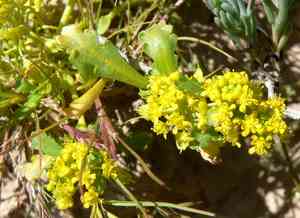
Yellow pepperweed flourishes when relocated from the beginning to the end of spring, benefiting from ideal growing circumstances. To achieve superior outcomes, select a bright, adequately drained spot. Relocation guidance: carefully manage the root system to prevent shock.
What Preparations are Needed Before Transplanting Yellow Pepperweed?
What is the Ideal Time for Transplanting Yellow Pepperweed?
The optimal period for relocating yellow pepperweed, an annual, spans from early to late spring. This timeframe guarantees suitable soil temperatures and moisture levels, promoting strong root development. Moving yellow pepperweed during this window enhances its establishment and boosts growth, leading to a lush and healthy plant.
How Much Space Should You Leave Between Yellow Pepperweed Plants?
Position yellow pepperweed plants 12-18 inches (30-45 cm) apart. This spacing provides ample room for growth without crowding, ensuring good air circulation and access to nutrients.
What is the Best Soil Mix for Yellow Pepperweed Transplanting?
Opt for well-drained, sandy or loamy soil for yellow pepperweed. Incorporate a balanced base fertilizer to supply essential nutrients. Steer clear of heavy clay soil, which can impede growth.
Where Should You Relocate Your Yellow Pepperweed?
Choose a sunny location for yellow pepperweed. They flourish in full sun, requiring at least 6-8 hours of direct sunlight daily to grow robust and healthy.
What Equipments Should You Prepare Before Transplantation Yellow Pepperweed?
Gardening Gloves
To safeguard your hands while handling soil and yellow pepperweed.
Shovel or Spade
To excavate around the plant and extract it from its initial spot.
Trowel
For more precise digging and placement in the new transplanting hole.
Garden Hose/Watering Can
To hydrate the plant and soil before and after relocation.
Compost or Organic Matter
For enriching the soil at the new site.
Plant Labels
To mark the position of the transplanted yellow pepperweed.
Wheelbarrow (optional)
For moving plants and soil, especially if the new site is far.
How Do You Remove Yellow Pepperweed from the Soil?
How Do You Remove Yellow Pepperweed from the Soil?
From Ground: First, water the yellow pepperweed to moisten the soil. Next, dig a wide trench around the plant using a shovel or spade, ensuring the plantâs root ball remains intact. Carefully work the spade beneath the root ball to lift the plant from its original location.From Pot: Water the yellow pepperweed thoroughly to facilitate removal. Gently compress the sides of the pot to loosen the soil. Tilt the pot sideways, tapping the bottom if needed, and carefully slide the plant out, keeping the root ball whole.From Seedling Tray: Water the seedlings well before extraction. Support the yellow pepperweed by gently holding the leaves or stem. Use a dibber or the back of a spoon to push up from the bottom of the tray cells, freeing the root ball without disturbing the roots.
Step-by-Step Guide for Transplanting Yellow Pepperweed
Preparation
Ensure all your tools and supplies are ready before beginning. This includes watering implements, soil amendments, and a prepared hole at the new site.
Digging Hole
Excavate a hole in the new location that is twice as wide and the same depth as the root ball of the yellow pepperweed. Confirm the hole has good drainage.
Amending Soil
Incorporate compost or organic matter into the soil removed from the hole to enhance nutrient content and drainage.
Positioning Plant
Place the yellow pepperweed in the center of the hole, making sure the top of the root ball is level with the surrounding soil surface.
Backfilling
Fill the hole with the amended soil, gently firming it around the root ball to eliminate air pockets without overly compacting the soil.
Watering
After planting, water the yellow pepperweed thoroughly to help settle the soil. Continue to keep the soil moist (but not waterlogged) during the initial establishment period.
How Do You Care For Yellow Pepperweed After Transplanting?
Watering
Maintain consistent moisture in the soil around the yellow pepperweed, avoiding sogginess, for the first few weeks post-transplant to aid in root establishment.
Mulching
Apply a layer of mulch around the base of the yellow pepperweed to help retain moisture, regulate soil temperature, and reduce weed competition.
Monitoring
Regularly inspect the yellow pepperweed for indications of stress, such as wilting or yellowing leaves, and adjust care practices as necessary.
Protection
If transplanting outdoors, consider using row covers or other protective measures to shield the yellow pepperweed from intense sunlight or wind while it acclimates.
Troubleshooting Common Issues with Yellow Pepperweed Transplantation.
When is the best time to transplant yellow pepperweed?
Relocate yellow pepperweed between early spring and late spring for optimal growth.
What spacing is ideal for transplanting yellow pepperweed?
Space plants 12-18 inches (30-45 cm) apart to ensure adequate growth room.
How should I prepare the soil for yellow pepperweed?
Ensure well-drained soil with some organic matter mixed in for better root establishment.
Why do my yellow pepperweed transplants look wilted?
Transplants might be stressed; water them thoroughly and avoid direct sunlight for a few days.
How to avoid transplant shock in yellow pepperweed?
Harden off seedlings by gradually exposing them to outdoor conditions before transplanting.
How deep should yellow pepperweed be planted when transplanting?
Plant yellow pepperweed at the same depth as it was in its original container to avoid stress.
What should I do if yellow pepperweed leaves turn yellow after transplanting?
Ensure proper watering and avoid overwatering to prevent root rot, which causes yellowing leaves.
Do I need to fertilize yellow pepperweed immediately after transplanting?
Wait a few weeks after transplanting before fertilizing to let the plant establish its roots.
How much sunlight is ideal for transplanted yellow pepperweed?
Provide full sun for best growth; yellow pepperweed thrives with at least 6 hours of sunlight daily.
What to do if yellow pepperweed doesn't grow after transplanting?
Check for proper soil, sunlight, watering, and spacing; adjust care as needed to encourage growth.



