How to Propagate Yellow pepperweed?
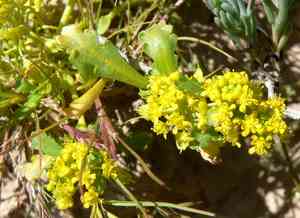
Cultivating yellow pepperweed is effectively accomplished by seeding. Verify that seeds are planted in soil that drains properly and receives ample sunlight. Sustain steady hydration for successful sprouting. Gently layer soil over the seeds to permit adequate light exposure. Consistent observation and appropriate nurturing during the early phases of development are vital for robust growth.
Optimal Time for Yellow Pepperweed Propagation
Propagation Method
Seeding
Propagation Period
Spring
Essential Tools for Yellow Pepperweed Propagation
Seed Trays
Seed trays are crucial for initiating yellow pepperweed from seeds. They offer a controlled setting for germination and ensure uniform development. Utilizing seed trays aids in effective water and nutrient distribution, which is vital for healthy seedling growth.
Seed Starting Mix
A premium seed starting mix is essential for yellow pepperweed. It supplies the necessary nutrients, ideal drainage, and proper aeration needed for germination. This mix supports root development, ensuring strong seedlings.
Mister or Spray Bottle
A mister or spray bottle is employed to keep seeds and the growing medium moist without over-saturating. Yellow pepperweed benefits from consistent moisture during its initial growth phases, and misting helps avoid disturbing seeds and young seedlings.
Heat Mat
A heat mat can be especially advantageous for yellow pepperweed as it provides warmth from below, encouraging quicker and more consistent seed germination. It helps maintain an ideal soil temperature, particularly in cooler growing environments.
Humidity Dome
A humidity dome assists in maintaining a moist environment, which is critical for yellow pepperweed germination. It prevents the soil from drying out too rapidly and ensures a stable setting for seedling development.
Grow Light
A grow light guarantees that seedlings receive sufficient illumination, especially if natural sunlight is inadequate. For yellow pepperweed, ample light promotes robust growth and prevents elongated seedlings. Adjustable grow lights can be positioned close to seedlings to provide optimal light intensity.
Labels
Labels are important for tracking different batches of yellow pepperweed seeds. Proper labeling helps in monitoring germination rates and managing various planting dates or seed varieties effectively.
Small Hand Shovel
A small hand shovel is useful for carefully planting and transplanting yellow pepperweed seedlings. It allows for gentle handling of young plants, reducing the risk of damage to roots and stems.
How to Propagate Yellow Pepperweed?
Propagation Type
Simple
Caring for Your Newly Propagated Yellow Pepperweed
Caring for Your Newly Propagated Yellow Pepperweed?
Post-transplant, water yellow pepperweed sparingly to prevent root rot and support its preference for arid conditions. Ensure the plant receives full sun for optimal development. Regularly check for pests and diseases, but avoid heavy fertilization, as yellow pepperweed thrives in nutrient-poor soils.
Common Errors to Avoid When Propagating Yellow Pepperweed
Improper Soil Selection
Using soil that lacks good drainage can lead to root rot and other fungal issues. Yellow pepperweed prefers sandy, well-draining soil.
Overwatering
Excessive irrigation can result in root rot and reduced survival rates. Yellow pepperweed is drought-tolerant and should not be overwatered.
Incorrect Light Conditions
Planting yellow pepperweed in areas with insufficient light can cause weak, leggy growth. Yellow pepperweed requires full sunlight to flourish.
Neglecting Soil pH
Failing to ensure the soil pH is within the optimal range can lead to poor nutrient absorption. Yellow pepperweed prefers slightly alkaline soil (pH around 7 to 8).
Ignoring Pest Control
Lack of pest management can lead to infestations that harm the plants. Yellow pepperweed can be susceptible to aphids and other pests.
Tips For Propagating Yellow Pepperweed
Use Well-Draining Soil
Plant yellow pepperweed in sandy, well-draining soil to prevent waterlogging and root diseases.
Moderate Watering
Water the plant sparingly, allowing the soil to dry out between watering sessions. Yellow pepperweed does better in drier conditions.
Provide Full Sunlight
Ensure yellow pepperweed is planted in an area where it can receive full sunlight throughout the day for optimal growth.
Maintain Soil pH
Test the soil and adjust its pH to slightly alkaline levels (pH 7 to 8) to improve nutrient availability and plant health.
Implement Pest Control
Regularly inspect the plants and use appropriate pest control measures to prevent and manage infestations.



