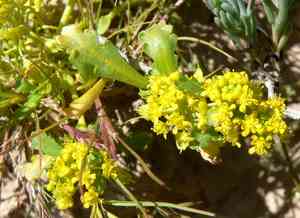
Yellow pepperweed (Lepidium flavum)
Also known as: Borrego valley peppergrass, Yellow peppercress
Yellow pepperweed (Lepidium campestre) is a resilient annual herb that flourishes in a variety of soil types, including sandy, loamy, and clay soils, provided they are well-drained. It features clusters of small, white flowers that bloom above its lobed leaves. This plant is well-suited to full sunlight but can also manage in partial shade. It is commonly found in disturbed areas like roadsides and fields, demonstrating adaptability to both dry and moderately moist conditions. Its tough nature allows it to endure a range of environmental challenges, including drought and varied soil pH levels.
In This Article
Attributes of Yellow pepperweed
Lifespan
Annual
Plant Type
Herb
Plant Height
15-45 cm
Spread
N/A
Leaf Color
Green
Flower Size
Approximately 0.5 cm
Flower Color
Bright Yellow
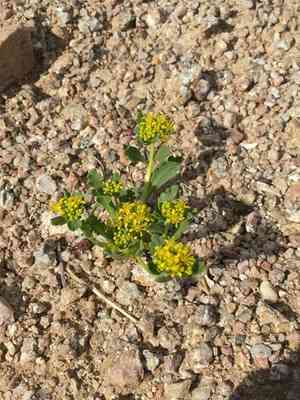
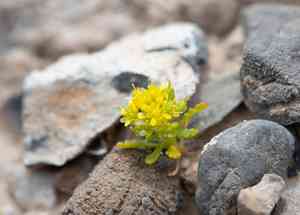
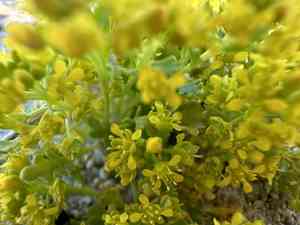
Images of Yellow pepperweed
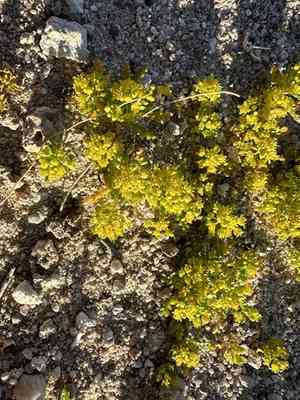
Quickly Identify Yellow pepperweed
1
Lepidium flavum can be identified by its bright yellow flowers arranged in dense clusters at the ends of its stems. The leaves are mostly basal, and the plant has a somewhat shrubby appearance.
Scientific Classification of Yellow pepperweed
Phylum
Vascular plants
Class
Dicotyledons
Order
Brassicales
Family
Cruciferae
Genus
Peppercresses
Species
Yellow pepperweed
Planting and Growing of Yellow pepperweed
Care Difficulty
Moderate
Watering Schedule
Every 2 days
Sunlight Requirements
Full sun
Sunshine Duration
4-8 hours
Ideal Temperature
65-75℉
Soil Type
Potting Mix, Peat Mix
Soil pH
6.5-7.5
Fertilizer Type
Balanced
Pruning Season
Spring, Summer
Pruning Area
Branches, Leaves
Pruning Frequency
2 times a year
Repotting Season
Spring
Pot Type
Ceramic, Plastic
 How to Water Yellow pepperweed?
Lepidium flavum, commonly known as yellow peppergrass, requires careful attention to its watering needs. This drought-tolerant plant thrives on minimal water; therefore, watering should be deep and infrequent. Ensure the water penetrates about 6 inches into the soil to encourage deep root growth and mimic natural rainfall patterns.
What are the symptoms of an underwatered Yellow pepperweed?
›
What should I do if my Yellow pepperweed is not getting enough water?
›
What are the symptoms of an overwatered Yellow pepperweed?
›
How to save an overwatered Yellow pepperweed?
›
 What Are the Sunlight Requirements for Yellow pepperweed?
Lepidium flavum prefers a light range of 6-8 hours of sunlight daily. Optimal lighting promotes strong growth, lush foliage, and efficient photosynthesis, supporting the plant's overall vigor and flowering potential.
What is the best lighting condition for Lepidium flavum?
›
How can you achieve the ideal lighting condition for Lepidium flavum?
›
What benefits does Lepidium flavum get from ideal lighting conditions?
›
 What Is the Ideal Temperature Range for Yellow pepperweed?
For optimal growth, Lepidium flavum thrives at an ideal temperature range between 65°F and 75°F. This range mimics the conditions found in its natural habitat and provides the necessary warmth without overheating, ensuring healthy growth and development. Maintaining temperatures within this range facilitates enzymatic activities and metabolic processes crucial for the plant's development.
 What Soil is Best for Yellow pepperweed?
Lepidium flavum thrives best in soils with excellent drainage capabilities. The plant's roots require oxygen, and well-drained soil prevents waterlogging, ensuring that the plant remains healthy and vigorous. This plant is adapted to survive in nutrient-poor soils, which means that it doesn't compete well in rich soils. Growing it in less fertile ground prevents rapid, leggy growth that could damage the natural form and health of the plant. For Lepidium flavum, it's crucial to keep the organic matter in the soil low. High organic content can retain too much moisture, which may result in root rot. Low organic soils suit its preference for drier conditions.
 How to Fertilize Yellow pepperweed?
Lepidium flavum, or yellow pepperweed, requires a balanced nutrient intake. For liquid fertilizer, use a diluted solution of 1/4 strength to prevent nutrient burn. Stick to a moderate amount; about 50 ml of liquid feed per application is usually sufficient.
 How to Prune Yellow pepperweed?
Begin by removing any dead or damaged stems and leaves. This directs the plant's energy toward healthy growth. Cut at the base of the dead stem, making sure not to leave stubs. Trim back excessively long or unruly stems to maintain the desired shape. Make your cuts just above a node, which is where new growth will emerge, to encourage fuller foliage. While pruning, closely inspect for any signs of pests or diseases. Early detection is crucial, so act immediately if you spot any issues by removing affected parts and treating the plant appropriately.
More About Pruning Techniques→
 How to Propagate Yellow pepperweed plant?
1
Begin by selecting a well-draining potting mix, preferably one that is light and rich in nutrients. Fill seed trays with the mixture, ensuring that it is evenly distributed and free of clumps. This step is crucial to provide a stable and nutritious environment for the seeds to germinate.
2
Place the seeds evenly across the tray, pressing them gently into the soil but not too deep. Cover lightly with more potting mix to ensure they remain undisturbed. This step is important to allow the seeds to receive the appropriate amount of sunlight and warmth they require for germination.
3
Use a spray bottle to mist the soil, ensuring it remains consistently moist but not waterlogged. Place the trays in a warm, bright location with indirect sunlight. Regularly check for signs of germination and adjust watering as needed to promote healthy seedling development.
 How to Repot Yellow pepperweed plant?
1
Lepidium flavum should be repotted when you notice roots emerging from the drainage holes or when the plant becomes significantly root-bound. If growth seems stunted or the soil drains poorly, these can also be signals for repotting. Ideally, perform this task during a period of active growth for the best results.
2
Select a pot that is 1-2 inches larger in diameter than the current pot. This not only gives the roots more space to grow but also provides better stability for the plant as it matures. Ensure the pot has adequate drainage holes to prevent root rot.
3
Opt for a well-draining sandy mix that mimics the plant's natural environment. Such soil prevents waterlogging, which can be detrimental to Lepidium flavum. The sandy texture aids in promoting aeration, ensuring the roots have access to necessary oxygen.
Learn More About Yellow pepperweed Diseases
Bacterial Leaf Spot
Bacterial Soft Rot
Clubroot
Cyst Nematode
Damping-off
Downy Mildew
Fusarium Wilt
Gray Mold
Leaf Spot
Mosaic
Powdery Mildew
Root Rot
Root-knot Nematode
Rusts
Sooty Mold
White Mold
Chemical Injury
Drought Stress
Nutrient Deficiency
Nutrient Toxicity
Temperature Stress
Spider Mites
Thrips Damage



