How to Transplant Tiny orchid?
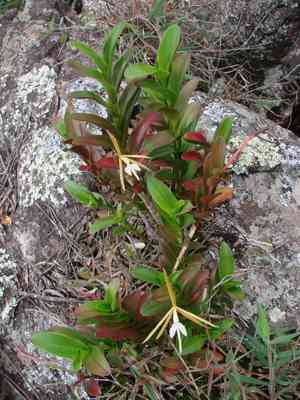
'N' thrives when relocated between early and late winter to reduce shock. Select a damp, partly shaded spot for peak development. Although detailed instructions will be provided subsequently, guarantee steady hydration in the new area for superior outcomes.
Necessary Preparations Before Relocating Tiny Orchid?
When is the Best Time to Move Tiny Orchid?
Tiny orchid, a perennial, thrives when moved during the cooler period of early to late winter. This timing lessens plant stress, allowing root establishment before spring growth. Cooler weather also minimizes water loss and pest issues, ensuring healthier development and stronger rooting of tiny orchid.
What Spacing is Recommended Between Tiny Orchid Plants?
For tiny orchid, position them approximately 2-3 inches (5-7.5 cm) apart to ensure proper air circulation and room for expansion.
Which Soil Mixture is Best for Transplanting Tiny Orchid?
Utilize a free-draining orchid blend, typically comprising bark, sphagnum moss, and perlite. Incorporate a balanced, slow-release fertilizer at the base of the mix to support tiny orchid's nutritional requirements.
Where Should You Replant Your Tiny Orchid?
Position tiny orchid in a spot receiving bright, indirect illumination. Steer clear of direct sun, as it can burn the delicate foliage. A window ledge with filtered light is suitable.
What Tools Should You Prepare Before Moving Tiny Orchid?
Gardening Gloves
To safeguard your hands while handling soil and the plant.
Small Trowel
For carefully digging around the plant's root system without causing harm.
Pruning Shears
To trim any damaged or overgrown roots during the relocation process.
Watering Can
To hydrate the plant before and after its transfer.
Compost or Organic Matter
To enrich the new planting site and promote robust growth.
Stakes and Soft Plant Ties
To offer support to the plant if necessary.
How Do You Extract Tiny Orchid from Its Growing Medium?
How Do You Extract Tiny Orchid from Its Growing Medium?
From Ground: First, moisten the tiny orchid plant to damp the soil. Next, excavate a wide trench around the plant using a trowel or small garden spade, ensuring the plant's root ball remains intact. Gently work the spade beneath the root ball to lift the plant from its original spot.From Pot: Water the tiny orchid plant thoroughly to facilitate its removal. Carefully tilt the pot on its side and tap the bottom to loosen the root ball. Gently slide the plant out, supporting the root ball with your hand.From Seedling Tray: Water the seedlings to ensure the soil is moist. Use a slender tool like a pencil or stick to gently push the seedling up from the tray's base, taking care not to harm the fragile roots.
Step-by-Step Instructions for Relocating Tiny Orchid
Prepare New Location
Select a site with suitable conditions for your tiny orchid plant. Clear away any debris and excavate a hole twice the size of the root ball.
Enrich Soil
Blend compost or organic material into the soil within the planting hole to supply nutrients.
Transfer Plant
Place the tiny orchid plant into the hole, ensuring the top of the root ball is level with the surrounding soil. Backfill the hole with soil, pressing down gently to eliminate air pockets.
Water Thoroughly
Generously water the plant after relocation to help settle the soil around the roots.
Provide Support
If the tiny orchid plant is tall or heavily flowering, use stakes and soft plant ties to offer necessary support.
How Do You Care For Tiny Orchid After Relocation?
Watering
Keep the soil around the tiny orchid consistently moist, but not waterlogged, for the initial weeks post-transplant to aid in establishing strong roots.
Mulching
Apply a layer of mulch around the plant's base to retain soil moisture and regulate temperature.
Monitoring
Regularly inspect the plant for indications of stress or pests and adjust watering or care as required.
Pruning
Trim any damaged or dead foliage to encourage new growth and lessen plant stress.
Troubleshooting Common Issues with Tiny Orchid Relocation.
What season is best for relocating tiny orchid?
Move tiny orchid from early winter to late winter for optimal outcomes and minimal plant stress.
How far apart should tiny orchid plants be spaced?
Space tiny orchid plants 2-3 inches (5-7.5 cm) apart to ensure adequate growth and air circulation.
What type of soil is ideal for relocating tiny orchid?
Utilize a well-draining, orchid-specific potting mix to support healthy root development of tiny orchid.
Should I water tiny orchid immediately after relocating?
Yes, lightly water tiny orchid after relocation to settle the soil and hydrate the roots.
How much light does tiny orchid need after relocating?
Tiny orchid prefers bright, indirect light. Avoid direct sunlight as it can scorch the leaves.
What's the optimal temperature for newly relocated tiny orchid?
Maintain a temperature between 65-75°F (18-24°C) for optimal growth of tiny orchid.
Do I need to fertilize tiny orchid after relocating?
Wait at least 4 weeks before lightly fertilizing tiny orchid to avoid stressing the fresh roots.
How do I handle tiny orchidâs roots during relocating?
Handle tiny orchidâs roots gently and avoid breaking them. Trim dead or damaged roots with sterilized scissors.
Can tiny orchid be relocated with flowers?
Avoid relocating tiny orchid while it's in bloom to prevent flower drop and plant stress.
How do I acclimate tiny orchid after relocating?
Place relocated tiny orchid in a stable, humid environment to help it acclimate and reduce transplant shock.



