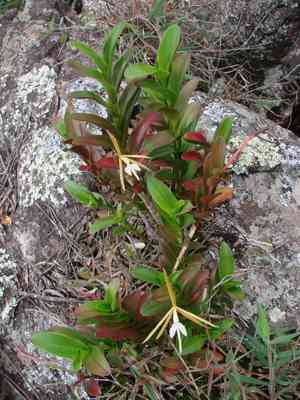
Tiny orchid (Lepanthopsis melanantha)
Also known as: Tiny Orchid
Lepanthopsis melanantha, also known as the tiny orchid, is a very small epiphytic orchid species. It is indigenous to southern Florida and the Greater Antilles, including Cuba, Hispaniola, Jamaica, and Puerto Rico. In Florida, it is specifically found in the Fakahatchee Swamp located in Collier County.
In This Article
Attributes of Tiny orchid
Lifespan
Perennial
Plant Type
Herb
Plant Height
2-5 cm
Spread
Approximately 2 cm
Leaf Color
Green
Flower Size
0.5-1 cm
Flower Color
Purple, Pink
Images of Tiny orchid
Quickly Identify Tiny orchid
1
This species can be identified by its extremely small size, tiny flowers that are often less than a centimeter in diameter, and a preference for humid, shady environments. The flowers typically exhibit a mix of colors, including purples and pinks.
Scientific Classification of Tiny orchid
Phylum
Vascular plants
Class
Monocotyledons
Order
Asparagales
Family
Orchid
Genus
Lepanthopsis
Species
Tiny orchid
Planting and Growing of Tiny orchid
Care Difficulty
Hard
Watering Schedule
Every 8 days
Sunlight Requirements
Partial sun
Sunshine Duration
4-6 hours
Ideal Temperature
65-75℉
Soil Type
Potting Mix, Peat Mix
Soil pH
5.5-6.5
Fertilizer Type
Balanced
Pruning Season
Spring, Summer
Pruning Area
Branches, Leaves
Pruning Frequency
2 times a year
Repotting Season
Spring
Pot Type
Plastic, Ceramic
 How to Water Tiny orchid?
Lepanthopsis melanantha prefers to be kept moist but not waterlogged. Watering should be done until you see water dripping out of the drainage holes to ensure roots are evenly hydrated; however, make sure the potting mix is never entirely submerged in water. This ensures proper moisture levels while preventing overwatering.
What are the symptoms of an underwatered Tiny orchid?
›
What should I do if my Tiny orchid is not getting enough water?
›
What are the symptoms of an overwatered Tiny orchid?
›
How to save an overwatered Tiny orchid?
›
 What Are the Sunlight Requirements for Tiny orchid?
Lepanthopsis melanantha thrives in partial sun. This range of light fuels the plant's energy needs for growth, photosynthesis, and enhancing nutrient uptake, all contributing to lush foliage and rich blossoms.
What is the best type of lighting for Lepanthopsis melanantha?
›
How can you ensure Lepanthopsis melanantha receives ideal lighting indoors?
›
What are the signs of optimal lighting for Lepanthopsis melanantha?
›
 What Is the Ideal Temperature Range for Tiny orchid?
For Lepanthopsis melanantha, maintaining a consistent temperature range of 65 to 75°F is crucial. This range allows the plant to grow healthily, simulating its natural habitat conditions. Keeping the temperature steady will help the plant thrive and promote optimal flower growth.
 What Soil is Best for Tiny orchid?
Lepanthopsis melanantha thrives in well-drained soils which prevent waterlogging that can lead to root rot. A soil mix that allows excess water to escape ensures that the root system gets the required oxygen and nutrients effectively. Rich in organic matter, this soil provides nutrients essential for the plant’s growth. Organic matter improves soil fertility, retains moisture, and betters root penetration, allowing the plant to establish itself robustly. Ensures that the soil remains consistently moist, but not waterlogged, is crucial for Lepanthopsis melanantha. Consistent moisture supports the plant's delicate root system and prevents dehydration, which can be detrimental to its health.
 How to Fertilize Tiny orchid?
For Lepanthopsis melanantha, it's crucial to use a diluted fertilizer solution. A high-quality orchid fertilizer with a balanced N-P-K ratio is optimal. Dilute the fertilizer to one-quarter of the recommended strength to avoid nutrient burn. This tiny epiphyte has delicate roots, and over-fertilizing can lead to root damage. Always err on the side of caution and observe the plant's response to adjustments in fertilizer strength.
 How to Prune Tiny orchid?
Start by closely examining the plant to identify any dead or damaged leaves. These should be the first to be cut, as removing them helps the plant direct energy to healthier parts. Gently trim back any long, unruly branches to maintain the plant's desired shape. Pruning in this manner not only keeps it aesthetically pleasing but also encourages bushier growth, enhancing its natural beauty. After pruning, ensure the plant is in its ideal humidity and light conditions to facilitate recovery. Providing adequate aftercare will help it bounce back quickly and thrive.
 How to Propagate Tiny orchid plant?
1
Harvest seeds from healthy, mature plants. Ensure seeds are fully matured and dry. This step is crucial for ensuring successful germination and healthy plant growth.
2
Use a sterilized potting mix or sphagnum moss as a growth medium. Ensure it is well-draining yet retains moisture, which is ideal for seedling and cutting propagation.
3
Sow seeds or plant divisions in the prepared medium. Water gently to avoid displacing the seeds or damage sections. Maintain consistent moisture for optimal growth.
 How to Repot Tiny orchid plant?
1
Lepanthopsis melanantha should be repotted when the roots outgrow the container, or when the soil medium has broken down. Ideal repotting time is during spring or summer, aligning with their growth periods to minimize stress.
2
Select a shallow, well-draining pot for growing Lepanthopsis melanantha. The new pot should be slightly larger than the current one, allowing space for root expansion without water retention that could lead to root rot.
3
An orchid potting mix, made of bark, perlite, and charcoal, is ideal. This mix provides excellent aeration and drainage, crucial for the plant's epiphytic nature, allowing roots to breathe and preventing moisture-related issues.
Learn More About Tiny orchid Diseases
Anthracnose
Bacterial Leaf Spot
Bacterial Soft Rot
Bacterial Wilt
Black Spot
Chemical Injury
Damping-off
Downy Mildew
Drought Stress
Fusarium Wilt
Gray Mold
Leaf Curl
Leaf Spot
Mosaic
Nutrient Deficiency
Nutrient Toxicity
Powdery Mildew
Root Rot
Root-knot Nematode
Rusts
Sooty Mold
Spider Mites
Temperature Stress
Thrips Damage
White Mold



