How to Transplant Common motherwort?
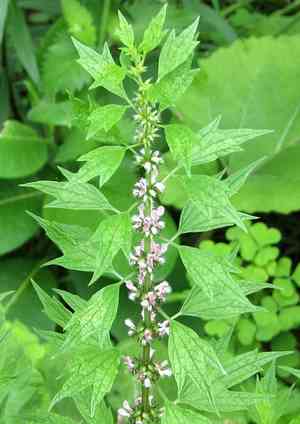
Move your common motherwort when the weather is milder, from mid-spring to early summer, to best allow its roots to settle. Select a sunny location with soil that drains effectively to guarantee the common motherwort's robust health. This plant is a hardy species that readily adjusts to its new environment.
Essential Preparations Before Relocating Common Motherwort
Optimal Period for Relocating Common Motherwort?
The ideal window for moving common motherwort spans from mid-to-late spring, extending into early summer. During this time, mild temperatures and consistent moisture levels create favorable conditions for common motherwort to take root effectively before the peak summer heat arrives. Transplanting within this timeframe benefits from stable spring weather, which promotes root development and minimizes transplant shock, setting the stage for vigorous growth and long-term health of common motherwort. Seize this season to ensure a flourishing start for your common motherwort!
Recommended Spacing Between Common Motherwort Plants?
When relocating common motherwort, proper spacing is vital. I advise maintaining a distance of approximately 2-3 feet (60-90 cm) between each plant. This ensures ample room for growth and development, while minimizing competition for essential nutrients and water.
Ideal Soil Blend for Common Motherwort Relocation?
Prior to planting common motherwort, prepare the soil. This plant thrives in well-drained, fertile soil. Incorporate a foundational fertilizer rich in organic matter to enhance soil fertility. This could be compost or aged manure. Ensure it's thoroughly mixed with the soil before planting.
Selecting a New Location for Your Common Motherwort?
Common motherwort thrives in sunlight. During the preparatory phase, identify a garden spot that receives full to partial sun exposure. Avoid excessively shaded areas, as this can impede growth. Remember, the right location is crucial for a happy, healthy plant!
Tools Required for Common Motherwort Transplantation
Gardening gloves
To safeguard your hands while handling soil and common motherwort.
Shovel or Trowel
These tools are used to excavate the new planting site for common motherwort and to carefully extract it from its original spot.
Watering Can
For hydrating common motherwort both before and after its relocation.
Gardening Pruners
Useful for trimming away any dead or damaged foliage.
Wheelbarrow
To transport common motherwort from its initial position to the new site, or to dispose of garden debris.
Organic Mulch
To help retain soil moisture and suppress weed growth around common motherwort post-transplant.
Method for Extracting Common Motherwort from Soil
Method for Extracting Common Motherwort from Soil?
From Ground: First, use a watering can to moisten the soil surrounding common motherwort. Next, employ a shovel or spade to dig a wide trench around the plant, ensuring the root ball remains intact. Once this is done, carefully slide the spade beneath the root ball to assist in lifting common motherwort from its original location.From Pot: If common motherwort is currently in a container, it must be carefully removed. Handle with care to avoid damaging the plant or its root system. Tilt the pot slightly sideways and gently ease the plant out while supporting its base. If it resists, lightly tap the bottom of the container to loosen it. Always keep the root ball intact.From Seedling Tray: Gently hold common motherwort by its base stem and pull it carefully from the tray. If you encounter resistance, wiggle it slightly or use a pencil to push the root up through the drainage hole beneath the tray.
Step-by-Step Guide for Relocating Common Motherwort
Preparation
Always water common motherwort a few hours before relocation, ensuring the soil and roots are damp.
Dig Hole
Using your shovel or trowel, excavate a hole slightly larger than the root ball of common motherwort in your chosen spot.
Planting
Gently place common motherwort into the hole, making sure it's not planted deeper than its original position. Backfill the hole with soil, lightly pressing down to eliminate any air pockets.
Watering
Water common motherwort immediately after planting, to settle the soil around the roots. Use your watering can to apply water gently.
Mulching
Apply a layer of organic mulch around common motherwort, keeping it away from the stem to help maintain soil moisture and prevent weed growth.
Post-Transplant Care for Common Motherwort
Watering
Ensure the soil remains consistently moist but not waterlogged after relocation. This aids common motherwort in establishing its roots.
Pruning
Remove any withered or discolored leaves to allow common motherwort to prioritize new growth.
Protection
A few days after transplanting, inspect common motherwort for signs of pests or disease and address them promptly. Maintaining a healthy environment is crucial for your common motherwort's growth.
Monitoring
Keep an eye on weather conditions. During dry spells or extreme heat, water common motherwort more frequently. Also, during winter or cold periods, consider covering common motherwort with frost cloth for protection.
Addressing Common Issues During Common Motherwort Transplantation.
When is the optimal time to relocate common motherwort?
The best time to relocate common motherwort is during its second to fourth growing season, for the highest chance of survival.
What is the correct spacing for common motherwort during relocation?
Provide each common motherwort ample room to grow by spacing them 2-3 feet (60-90 cm) apart when relocating.
What type of soil is best for relocating common motherwort?
Common motherwort is not overly particular about soil, but well-draining soil with moderate fertility is ideal for relocation.
Should I fertilize common motherwort after relocation?
A light application of a balanced organic fertilizer can help common motherwort establish quickly after relocation. Avoid over-fertilizing.
How much water does common motherwort need after relocation?
Common motherwort requires moderate watering after relocation. Ensure the soil is consistently moist, but not waterlogged.
Is pruning necessary for common motherwort after relocation?
Pruning isn't always essential, but you can pinch back common motherwort to encourage denser growth after relocation.
What if the relocated common motherwort shows signs of wilting?
Wilting immediately after relocation can indicate transplant shock. Keep the soil moist and reduce sunlight exposure until common motherwort recovers.
How deep should I plant common motherwort during relocation?
During relocation, dig a hole twice the width of the root ball and deep enough so it sits at ground level.
Can I relocate common motherwort into a pot or container?
Yes, you can relocate common motherwort into a pot or container, provided it's large enough to accommodate its mature size.
How long until common motherwort establishes after relocation?
Common motherwort should begin to establish and show signs of new growth within a few weeks after relocation.



