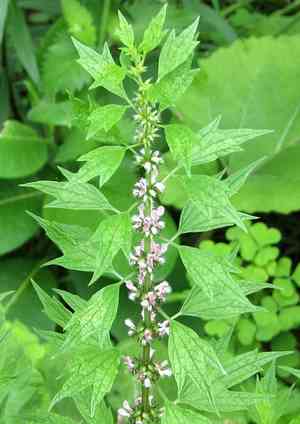
Common motherwort (Leonurus cardiaca)
Also known as: Lion's ear
Common motherwort (Leonurus cardiaca) is a perennial herb that can exhibit invasive characteristics in certain regions. It features pink to purple, hairy flowers that blossom throughout the summer. This plant is typically found in temperate zones, thriving in disturbed sites such as roadsides, meadows, woodlands, and fields. It prefers well-drained soils and can grow in both partial shade and full sun.
In This Article
Attributes of Common motherwort
Lifespan
Perennial
Plant Type
Herb
Plant Height
60 cm to 1 m
Spread
30 cm to 61 cm
Leaf Color
Green Yellow
Flower Size
2.5 cm
Flower Color
White Pink
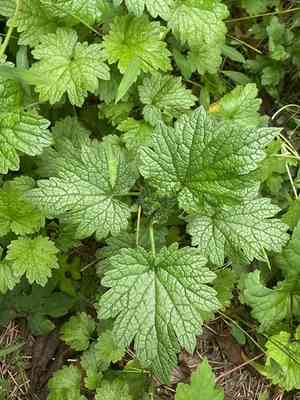
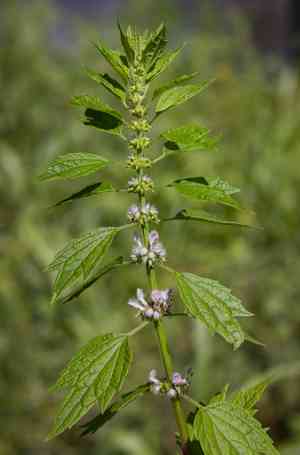
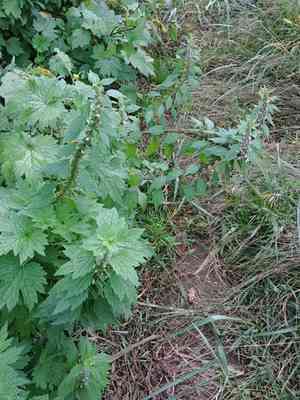
Images of Common motherwort

Quickly Identify Common motherwort
1
Leonurus cardiaca can be identified by its square stems, which are characteristic of the mint family. The leaves are deeply lobed and toothed, and the plant produces clusters of small, pink to purple flowers that grow in whorls around the stem. The plant typically blooms from June to August.
Scientific Classification of Common motherwort
Phylum
Vascular plants
Class
Dicotyledons
Order
Lamiales
Family
Mint
Genus
Motherworts
Species
Common motherwort
Planting and Growing of Common motherwort
Care Difficulty
Easy
Watering Schedule
Every 2 days
Sunlight Requirements
Full sun
Sunshine Duration
6-10 hours
Ideal Temperature
68-77℉
Soil Type
Potting Mix, Peat Mix
Soil pH
6.5-7.5
Fertilizer Type
Balanced
Pruning Season
Spring, Summer
Pruning Area
Branches, Leaves
Pruning Frequency
2 times a year
Repotting Season
Spring
Pot Type
Plastic, Ceramic
 How to Water Common motherwort?
When watering Leonurus cardiaca, also known as motherwort, aim to thoroughly soak the soil until water begins to drain from the bottom of the pot. This ensures that the entire root system is hydrated. Allow the top inch of soil to dry out between waterings to prevent waterlogging.
What are the symptoms of an underwatered Common motherwort?
›
What should I do if my Common motherwort is not getting enough water?
›
What are the symptoms of an overwatered Common motherwort?
›
How to save an overwatered Common motherwort?
›
 What Are the Sunlight Requirements for Common motherwort?
Full or partial sun exposure for 6 to 8 hours daily leads to optimum growth, enhances flowering potential, and supports robust health of Leonurus cardiaca.
What is the best lighting condition for Leonurus cardiaca?
›
How can you achieve ideal light exposure for Leonurus cardiaca?
›
What are the benefits of ideal lighting conditions for Leonurus cardiaca?
›
 What Is the Ideal Temperature Range for Common motherwort?
The ideal temperature range for Leonurus cardiaca, also known as motherwort, is between 68°F and 77°F. This range provides the optimal conditions for growth and health, allowing the plant to thrive in moderate temperatures. At these temperatures, motherwort can maintain efficient photosynthesis and physiological processes, ensuring robust development and flowering.
 What Soil is Best for Common motherwort?
Leonurus cardiaca thrives in soils with good drainage. Proper drainage prevents waterlogging, which can lead to root rot. Ensuring the soil has adequate drainage helps maintain optimal root health and promotes robust plant growth. A soil rich in organic matter provides the necessary nutrients for Leonurus cardiaca. Nutrients such as nitrogen, phosphorus, and potassium are essential for growth and reproduction, making nutrient-rich soil ideal for this plant. The soil should retain enough moisture to keep the plant hydrated without being overly wet. Moderate moisture retention helps maintain a balance, preventing both dehydration and excessive moisture, facilitating healthy plant development.
 How to Fertilize Common motherwort?
For Leonurus cardiaca, it is advisable to apply a balanced fertilizer at half the recommended strength. When using liquid fertilizers, you should dilute it to half of the usual strength to prevent root burn and ensure optimal absorption.
 How to Prune Common motherwort?
Start pruning Leonurus cardiaca by identifying the tallest and oldest stems. Use clean, sharp pruners to cut these back to just above a leaf node or where a new leaf or bud is growing. Doing this not only encourages a denser growth form but also boosts the plant's overall energy, redirecting it towards producing flowers and new growth. Regularly remove spent flowers by snipping off just below the flower head. This deadheading process prevents the plant from going to seed too early and focuses energy on creating further blooms. For more extended care, perform a hard prune towards the season's end or in early spring to rejuvenate the plant.
 How to Propagate Common motherwort plant?
1
Collect seeds from mature Leonurus cardiaca plants and clean them properly. Soak the seeds in water for 24 hours to enhance germination rates. Sow the seeds in seed trays filled with well-draining soil mix.
2
In early spring, select healthy stems and cut 4-6 inches long sections. Remove the lower leaves and dip the cut end in rooting hormone before planting them in a moist and well-draining potting mix.
3
In spring, dig up the mature Leonurus cardiaca plants completely. Use a sharp knife or spade to divide the root clumps, ensuring each section has roots and shoots, and replant them in prepared garden beds.
 How to Repot Common motherwort plant?
1
Leonurus cardiaca typically requires repotting when you notice the roots growing out the drainage holes, indicating it's outgrown its current home. Another sign is when the plant's growth slows down significantly, even with proper care. Generally, the ideal time for repotting is early spring, aligning with the start of its active growth phase.
2
Select a pot that is about 1-2 inches larger in diameter than the current one to allow room for growth. Ensure it has adequate drainage holes to prevent waterlogging, which can lead to root rot. Using a slightly larger pot rather than a significantly bigger one helps prevent overwatering by matching the soil amount to the plant's water needs.
3
Choose a well-draining potting mix, ideally one enriched with organic matter like peat or compost. This soil provides the right balance of moisture retention and aeration, encouraging healthy root development and ensuring water does not stagnate, thereby preventing root diseases.



