How to Transplant Lemmaphyllum drymoglossoides?
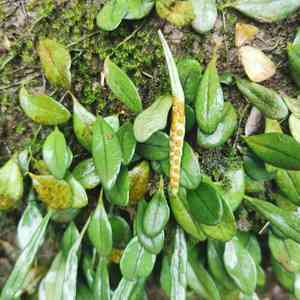
The optimal period for transplanting lemmaphyllum drymoglossoides is from late spring to early summer, offering consistent warmth conducive to root development. Select areas with dappled light and carefully place them in rich, damp earth. A helpful suggestion: verify the new spot replicates the former environment to facilitate an effortless adjustment.
What Preparations are Needed Before Transplanting Lemmaphyllum Drymoglossoides?
What is the Ideal Time for Transplanting Lemmaphyllum Drymoglossoides?
The optimal period for relocating lemmaphyllum drymoglossoides spans from late spring to early summer. Performing this task during this phase, when nature is revitalizing and the weather is mild, guarantees vigorous root establishment for lemmaphyllum drymoglossoides. Transplanting lemmaphyllum drymoglossoides when the season offers ample warmth but not the full intensity of summer heat encourages robust development. The pleasant climate allows the soil to retain moisture effectively, aiding in lemmaphyllum drymoglossoides's smooth adjustment to its new surroundings.
How Much Space Should You Leave Between Lemmaphyllum Drymoglossoides Plants?
Hello there, plant enthusiast! For your lemmaphyllum drymoglossoides, proper spacing is crucial. Aim for a distance of 6-8 inches (15-20 cm) between each plant. This provides them with adequate room to thrive without overcrowding.
What is the Best Soil Mix for Lemmaphyllum Drymoglossoides Transplanting?
Prepare to get your hands dirty! Lemmaphyllum drymoglossoides prefers well-draining soil that remains consistently moist. A blend of peat, sand, and loamy soil works wonderfully. Incorporate some balanced, slow-release fertilizer to give them a comfortable start in their new home.
Where Should You Relocate Your Lemmaphyllum Drymoglossoides?
Selecting the perfect spot is essential! Lemmaphyllum drymoglossoides flourishes in bright, indirect light or partial shade. Choose a location that receives filtered sunlight, such as beneath a tree or next to a north-facing wall, to shield them from intense afternoon sun.
What Equipments Should You Prepare Before Transplantation Lemmaphyllum Drymoglossoides?
Gardening Gloves
To safeguard your hands while handling soil and plants.
Trowel
For digging small holes and assisting with plant extraction and replanting.
Spade or Shovel
To excavate larger plants or create bigger holes in the ground for transplanting.
Watering Can or Hose
For hydrating the plant before and after removal, and to help it settle into its new spot.
Pruning Shears
To trim any damaged roots or leaves prior to transplanting.
Wheelbarrow or Plant Tray
To move the lemmaphyllum drymoglossoides after removal to its new planting location.
Measuring Tape or Stick
To ensure accurate depth and spacing when planting the lemmaphyllum drymoglossoides.
How Do You Remove Lemmaphyllum Drymoglossoides from the Soil?
How Do You Remove Lemmaphyllum Drymoglossoides from the Soil?
From Ground: First, hydrate the lemmaphyllum drymoglossoides to moisten the soil, which will facilitate the removal process. Carefully dig around the plant using a trowel or spade, leaving ample space to avoid cutting into the roots. Slide the tool beneath the root system and gently lift the plant from the ground.From Pot: Begin by watering the lemmaphyllum drymoglossoides to ease its extraction. Turn the pot sideways and gently tap it to loosen the soil. Grasp the base of the lemmaphyllum drymoglossoides and carefully slide it out, supporting the root ball. If the plant is stuck, you can gently squeeze or roll the pot to dislodge the root ball.From Seedling Tray: Water the seedling tray thoroughly before attempting to remove the lemmaphyllum drymoglossoides. Use a trowel or your fingers to carefully pry the lemmaphyllum drymoglossoides from its compartment, taking care to lift it by the root ball rather than the leaves or stems.
Step-by-Step Guide for Transplanting Lemmaphyllum Drymoglossoides
Preparation
Gather all necessary tools and thoroughly water the lemmaphyllum drymoglossoides before commencing the transplanting process.
Plant Removal
Follow the outlined procedure for extracting the lemmaphyllum drymoglossoides from its current spot, being careful not to harm the root system.
Inspect Roots
Examine the root ball for any indications of damage or disease. Use pruning shears to remove any broken or unhealthy roots.
Dig Hole
Excavate a hole in the new location that is twice as wide and the same depth as the root ball of the lemmaphyllum drymoglossoides.
Position Plant
Gently place the lemmaphyllum drymoglossoides into the hole, ensuring it stands upright and at the same level it was previously growing.
Backfill Hole
Carefully refill the hole with soil, gently firming it around the lemmaphyllum drymoglossoides to eliminate air pockets and ensure good root-to-soil contact.
Watering
After the lemmaphyllum drymoglossoides is in place, water it thoroughly to settle the soil around the roots and help minimize transplant shock.
How Do You Care For Lemmaphyllum Drymoglossoides After Transplanting?
Monitoring
Observe the lemmaphyllum drymoglossoides daily for the initial couple of weeks, checking for signs of stress or insufficient moisture.
Watering
Maintain consistent moisture in the soil surrounding the lemmaphyllum drymoglossoides for the first few weeks until it is well-established, being careful not to overwater.
Mulching
Apply a layer of mulch around the base of the lemmaphyllum drymoglossoides to help retain soil moisture and regulate soil temperature.
Support
If the lemmaphyllum drymoglossoides is tall or top-heavy, provide a stake for support to prevent it from leaning or being damaged by winds.
Pruning
Remove any dead or damaged leaves or stems to encourage healthy new growth.
Troubleshooting Common Issues with Lemmaphyllum Drymoglossoides Transplantation.
What's the best time of year to transplant lemmaphyllum drymoglossoides?
The ideal transplanting period is from late spring to early summer, utilizing mild weather for root establishment.
How far apart should I space lemmaphyllum drymoglossoides when transplanting?
Space lemmaphyllum drymoglossoides 6-8 inches (15-20 cm) apart to allow for ample growth and air circulation.
How deep should the hole be when transplanting lemmaphyllum drymoglossoides?
Excavate a hole as deep as the root ball and twice its width to promote spreading.
Can lemmaphyllum drymoglossoides be transplanted in full sun?
Absolutely, ensure lemmaphyllum drymoglossoides is in a location where bright, indirect light can reach its leaves.
What soil conditions favor the transplantation of lemmaphyllum drymoglossoides?
Well-draining soil rich in organic matter is perfect for lemmaphyllum drymoglossoides to thrive after transplant.
Should I water lemmaphyllum drymoglossoides immediately after transplanting?
Yes, water gently after transplanting to settle the soil and hydrate the roots.
Why are my transplanted lemmaphyllum drymoglossoides's leaves wilting?
Wilting after transplant can indicate shock. Keep soil moist and shield lemmaphyllum drymoglossoides from extreme temperatures.
How can I prevent transplant shock in lemmaphyllum drymoglossoides?
Minimize root disturbance during transplanting and maintain consistent soil moisture afterward.
When to fertilize lemmaphyllum drymoglossoides after transplanting?
Feed lemmaphyllum drymoglossoides a few weeks post-transplant with a balanced, slow-release fertilizer to boost growth.
Is it necessary to prune lemmaphyllum drymoglossoides when transplanting?
Trim damaged fronds to focus lemmaphyllum drymoglossoides's energy on root recovery and new growth.



