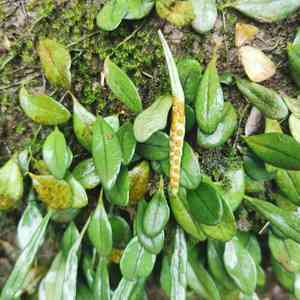
Lemmaphyllum drymoglossoides (Lemmaphyllum drymoglossoides)
Also known as: False Hounds Tongue, Dimpled Fern, 软叶冷水花
A very small, creeping rainforest fern that grows on trees and rocks instead of in soil, lemmaphyllum drymoglossoides alternates sexual and asexual reproduction, releasing spores one year and putting energy into growing a new plant from its gradually lengthening rhizome the next. Unlike most ferns, it has simple leaves that grow in single or double rows. Its scientific epithet "drymoglossoides" combines the Greek words for "forest" and "tongue," evoking both its environment and the shape of its leaves.
In This Article
Attributes of Lemmaphyllum drymoglossoides
Lifespan
Perennial
Plant Type
Fern
Plant Height
6 cm
Spread
Not typically described with a crown
Leaf Color
Bright green
Flower Size
Non-flowering plant
Flower Color
Non-flowering plant
Images of Lemmaphyllum drymoglossoides
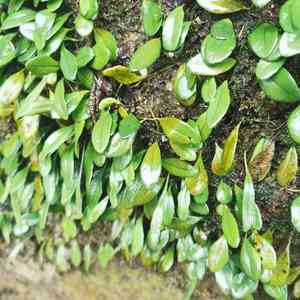
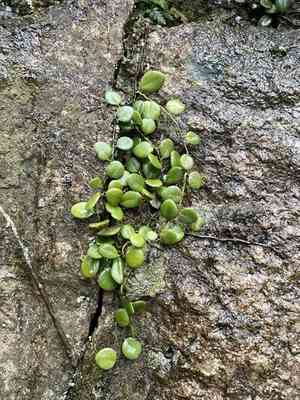
Quickly Identify Lemmaphyllum drymoglossoides
1
This fern can be identified by its small, dimpled fronds which are usually a bright green. It often grows on rocks or tree trunks in humid environments.
Scientific Classification of Lemmaphyllum drymoglossoides
Phylum
Vascular plants
Class
Ferns
Order
Polypodiales
Family
Polypody
Genus
Lemmaphyllum
Species
Lemmaphyllum drymoglossoides
Planting and Growing of Lemmaphyllum drymoglossoides
Care Difficulty
Easy
Watering Schedule
Every 3 days
Sunlight Requirements
Partial sun
Sunshine Duration
4-8 hours
Ideal Temperature
65-75℉
Soil Type
Potting Mix, Peat Mix
Soil pH
6-7.5
Fertilizer Type
Balanced
Pruning Season
Spring, Summer
Pruning Area
Branches, Leaves
Pruning Frequency
2 times a year
Repotting Season
Spring
Pot Type
Plastic, Ceramic
 How to Water Lemmaphyllum drymoglossoides?
For Lemmaphyllum drymoglossoides, it is crucial to ensure the substrate is adequately moist but never waterlogged. Each watering should consist of approximately 250 ml. The aim is to fully saturate the root area but allow excess moisture to drain away, simulating the plant's natural tropical environment.
What are the symptoms of an underwatered Lemmaphyllum drymoglossoides?
›
What should I do if my Lemmaphyllum drymoglossoides is not getting enough water?
›
What are the symptoms of an overwatered Lemmaphyllum drymoglossoides?
›
How to save an overwatered Lemmaphyllum drymoglossoides?
›
 What Are the Sunlight Requirements for Lemmaphyllum drymoglossoides?
Lemmaphyllum drymoglossoides prefers a semi-shaded to fully shaded environment. Ideal lighting enhances photosynthesis, yielding lush growth and vibrant foliage, and mitigates stress-related deficiencies.
How much light does Lemmaphyllum drymoglossoides need?
›
What is the best way to ensure it gets adequate light?
›
Why is specific lighting important for this plant?
›
 What Is the Ideal Temperature Range for Lemmaphyllum drymoglossoides?
For optimal growth of Lemmaphyllum drymoglossoides, an ideal temperature range of 65°F to 75°F provides the necessary warmth and stability. This range promotes efficient photosynthesis and healthy metabolism, ensuring vibrant and lush foliage.
 What Soil is Best for Lemmaphyllum drymoglossoides?
Lemmaphyllum drymoglossoides thrives in well-draining soil that prevents water from pooling around its roots, reducing the risk of root rot and supporting healthy growth and reproduction. This plant prefers soil that is moderately rich in organic matter, which helps sustain its nutritional needs and supports lush foliage and robust overall health. Moist but not waterlogged soil conditions are ideal for Lemmaphyllum drymoglossoides, ensuring it receives adequate hydration without harming the roots.
 How to Fertilize Lemmaphyllum drymoglossoides?
For Lemmaphyllum drymoglossoides, a gentle approach is required as these plants are relatively small and delicate. Liquid fertilizer should be diluted to half the usual strength, whereas slow-release granular fertilizers should be used sparingly. The aim is to augment the soil's nutrient content without overwhelming the plant, thereby maintaining a healthy growth balance.
 How to Prune Lemmaphyllum drymoglossoides?
While handling Lemmaphyllum drymoglossoides, ensure you do not apply excessive force to avoid breaking healthy fronds. This plant has delicate fronds that require gentle and careful handling. Although pruning can occur most of the year, be cautious in late summer as new growth preparing for fall could be inadvertently cut, hindering its preparation for the coming colder months.
More About Pruning Techniques→
 How to Propagate Lemmaphyllum drymoglossoides plant?
1
Begin by collecting ripe spores from the plant. Ensure the spores are clean and dry before sowing them onto the prepared seed tray. Cover them lightly to keep them in place.
2
For division, water the plant thoroughly before gently removing it from its pot. Use your hands or pruning shears to divide the root ball into smaller sections, each containing ample roots and foliage.
3
Place the divided sections into separate pots filled with a well-draining soil mixture. Water them lightly and place them in a location with indirect sunlight to encourage growth.
 How to Repot Lemmaphyllum drymoglossoides plant?
1
Lemmaphyllum drymoglossoides should be repotted when you notice the roots growing out of the drainage holes or the plant becomes top-heavy, which typically occurs every two to three years. Another signal for repotting is when the soil begins to degrade or doesn't drain as efficiently as it should.
2
Selecting a pot for your Lemmaphyllum drymoglossoides should involve considering a pot that's only slightly larger than the current one. A pot slightly larger than the root ball will prevent root rot by avoiding excessive soil moisture. Clay or terracotta pots are ideal as they allow air exchange and improve drainage.
3
Opt for a well-draining orchid mix soil, as this type of substrate retains necessary moisture without drowning the roots. Adding some sphagnum moss can enhance moisture retention while still allowing for adequate air movement around the roots, fostering a healthy growth environment.



