How to Prune Lemmaphyllum drymoglossoides?
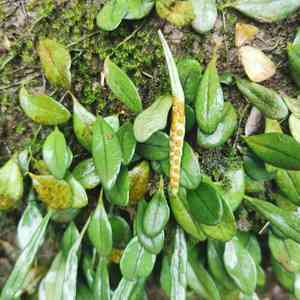
This epiphytic fern flourishes in humid conditions, needing only occasional trimming to eliminate withered or compromised fronds. The ideal time for pruning lemmaphyllum drymoglossoides is in late winter or early spring, prior to its active growth phase. Trimming enhances air movement and overall plant well-being. Make cuts near the base, ensuring the rhizome remains undamaged. Disinfected implements prevent the spread of pathogens. Consistent examination and removal of affected fronds ensure lemmaphyllum drymoglossoides remains vigorous and visually appealing.
What Are the Benefits of Pruning Lemmaphyllum Drymoglossoides?
What Are the Benefits of Pruning Lemmaphyllum Drymoglossoides?
Trimming lemmaphyllum drymoglossoides promotes robust development and preserves its desired form. Eliminating old or overgrown foliage enhances air circulation and light penetration, vital for the plant's health and visual appeal.
What Is the Best Time for Pruning Lemmaphyllum Drymoglossoides?
What Is the Best Time for Pruning Lemmaphyllum Drymoglossoides?
Late winter and early spring are optimal for pruning lemmaphyllum drymoglossoides, as this period precedes its active growth phase, minimizing plant stress. Trimming before spring growth allows the plant to recover and direct energy towards new development. This timing avoids cutting during summer and fall when pruning could disrupt the plant's natural cycle, potentially leading to weaker growth or reduced cold hardiness.
What Tools Do I Need to Prune Lemmaphyllum Drymoglossoides?
Sharp Scissors or Snips
For trimming delicate fronds of lemmaphyllum drymoglossoides, sharp scissors or micro-tip pruning snips are ideal because they allow for precision cutting without damaging the tender foliage.
Hand Pruners
Hand pruners or secateurs might be necessary for slightly thicker stems or to remove any dead growth. They should be sharp and clean to make clean cuts and prevent the spread of disease.
Tweezers or Forceps
These are useful for thinning or removing small or dead fronds from lemmaphyllum drymoglossoides in hard-to-reach areas without disturbing the rest of the plant.
How to Prune Lemmaphyllum Drymoglossoides
Clean tools
Sanitize pruning shears with alcohol or a bleach solution to prevent disease spread before trimming lemmaphyllum drymoglossoides.
Identify diseased
Examine lemmaphyllum drymoglossoides closely to identify diseased leaves, indicated by discoloration, spots, or decay.
Trim diseased
Carefully remove diseased leaves with pruning shears, cutting close to the base but without damaging healthy tissue.
Identify withered
Look for withered leaves, which may appear dry, brown, or crumpled on lemmaphyllum drymoglossoides.
Trim withered
Gently trim off withered leaves at the base to promote better airflow and encourage healthy growth in lemmaphyllum drymoglossoides.
Common Pruning Mistakes with Lemmaphyllum Drymoglossoides
Over-pruning
Removing too much of lemmaphyllum drymoglossoides at once can damage the plant. Lemmaphyllum drymoglossoides does not typically require extensive pruning, so be cautious not to prune more than one-third of the plant's growth.
Using dull tools
Utilizing dull or dirty pruning tools can cause damage to lemmaphyllum drymoglossoides's delicate fronds by tearing rather than cutting cleanly. This can lead to disease and poor growth.
Unnecessary pruning
Pruning lemmaphyllum drymoglossoides without a clear reason, such as shaping or removing damaged fronds, can lead to stress and reduced vigor for the plant.
Common Pruning Tips for Lemmaphyllum Drymoglossoides
Sharp clean tools
Always use sharp, clean tools to make precise cuts on lemmaphyllum drymoglossoides, this helps prevent infection and ensures quick healing of the pruned areas.
Prune damaged fronds
Carefully remove any dead or damaged fronds from lemmaphyllum drymoglossoides to maintain health and appearance while also allowing for better air circulation around the plant.
Sanitation
After pruning lemmaphyllum drymoglossoides, disinfect your tools to prevent the spread of any potential pathogens to other plants or future pruning sessions.
Light touch
Due to the nature of lemmaphyllum drymoglossoides, a light touch is required during pruning. Focus on minimal and strategic cuts that help maintain the plant's natural shape.
Safety first
Because lemmaphyllum drymoglossoides may be grown in terrariums or high humidity environments, ensure personal safety by wearing gloves to avoid slipping with pruning tools.



