How to Transplant Leea?
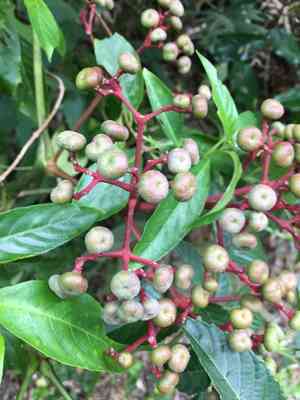
Leea thrives most effectively when relocated during the revitalizing period of early to mid-spring. This schedule allows for robust root development prior to the summer season. Selecting a site that offers abundant sunlight and soil with good drainage significantly enhances its prosperity. Exercising care throughout the procedure is crucial.
Essential Preparations Before Relocating Leea
Optimal Timing for Leea Relocation?
The best time to move leea is in the heart of spring, typically early to mid-spring. This period offers ideal growing conditions, with mild temperatures and increased soil activity, fostering root development. Transplanting leea during this season ensures a strong root system before summer's heat arrives. Shifting leea during spring's revival aligns with its natural growth cycle, promoting vigor and enhancing its chances of flourishing.
Recommended Spacing Between Leea Plants?
Before moving leea, ensure each plant is positioned approximately 3-4 feet (0.9-1.2 meters) apart. This distance will provide ample room for each plant to develop and thrive, without competing for nutrients or moisture.
Best Soil Blend for Leea Transplantation?
For leea, a well-draining soil rich in organic matter is perfect. To prepare the site, blend garden soil with compost or a slow-release granular fertilizer. This mixture will supply the necessary nutrients for the plant's development.
Where to Replant Your Leea?
Leea prefers a location with full sun to partial shade. While it can endure some shade, direct sunlight for at least a few hours daily will help your plant flourish. If possible, select a south or west-facing garden spot.
Equipment Needed for Leea Transplantation
Gardening Gloves
To protect your hands, especially when extracting the plant from its original spot.
Shovel or Spade
A crucial tool for digging around the plant's root system and preparing a hole in the ground for replanting.
Gardening Trowel
A lightweight and convenient tool, suitable for removing the plant from containers or trays.
Pruning Shears
Useful for trimming off dead or damaged roots after the plant is removed from its initial location.
Watering Can or Hose
Essential for hydrating the plant before and after the transplantation process.
Garden Fork
Helps to loosen the ground soil around your leea from where it is to be transplanted.
Wheelbarrow or Bucket
Useful for safely moving the plant from one location to another.
How to Extract Leea from the Soil?
How to Extract Leea from the Soil?
From Ground: Start by thoroughly watering the leea plant the day before you plan to move it to make the soil moist and easier to excavate. Then, use a shovel or spade to dig around the plant, maintaining enough distance from the base to ensure all major roots are undisturbed. Once done, gently lift the plant from the ground, ensuring the root ball remains intact. Remember, it's vital not to rush this task.From Pot: Begin by gently tilting the pot sideways or upside down, carefully holding the leea plant by its base. If the plant seems a bit resistant, tap the pot's sides a few times to loosen the potting soil and roots. Remember to handle it with care to prevent any physical harm to the plant.From Seedling Tray: If the leea plant is still small and in a seedling tray, simply invert the tray and gently tap the bottom. The plant and its surrounding soil should slide out easily.
Step-by-Step Guide for Leea Transplantation
Preparation
Water the leea plant again to minimize transplant shock.
Digging
Excavate a hole in the ground that is twice as wide and roughly the same depth as the leea plant's root ball or pot size. This should provide ample space for the roots to spread.
Placement
Carefully position your leea in the hole. Ensure it sits at the same depth as it was in its original spot; you certainly don't want a plant that's too deep or too shallow.
Backfilling
Gently refill the hole with native soil or compost, being careful not to harm any roots during the process. Firmly press down the soil around the base of the leea plant to remove air pockets and ensure it's stable and upright.
Watering
Thoroughly water your leea after transplanting. It would be beneficial at this stage to add a layer of mulch around the base of your plant to help retain moisture.
Post-Transplantation Care for Leea
Watering
The leea plant will need frequent watering in the initial weeks after transplanting, so ensure the soil is kept consistently moist without becoming waterlogged.
Disease Monitoring
Closely observe the leaves and stems of the leea for indications of disease or pests. If you notice a change in leaf color or any spots appearing, it might be experiencing stress or pest infestation. Consult a garden expert in such situations.
Pruning
After transplanting, even if your leea appears to be growing well, trimming a small amount of the plant's top growth can help it prioritize root development, which in turn, aids in the plant's overall growth.
Temperature and Wind Management
Young leea plants are susceptible to temperature fluctuations and strong winds, so make sure to protect them using plant covers or create windbreaks if necessary.
Addressing Common Leea Transplantation Issues.
When is the best time to transplant my leea?
The optimal period for transplanting leea is between S1 and S2 seasons. This timeframe perfectly supports vigorous growth.
What's the ideal spacing for leea when transplanting?
For healthy growth, maintain a distance of approximately 3-4 feet (1-1.2 meters) between each leea plant when transplanting.
Why are the leaves of my leea turning yellow after transplanting?
Yellowing leaves can signal transplant stress. Ensure consistent watering, and the condition should improve within a few days.
How much water does leea need after transplanting?
Leea typically requires a thorough watering immediately after transplanting, then regular irrigation until it establishes itself.
What kind of soil should I use when transplanting leea?
Leea prefers well-drained soil. Excessive clay in the soil can lead to waterlogging, which leea does not tolerate.
I've transplanted leea, but it's not growing. What could be the issue?
There might be problems with spacing, water, or soil conditions. Also, confirm if you planted during the correct season, between S1 and S2.
Why is my transplanted leea wilting?
Leea may wilt due to insufficient water or transplant shock. Keep the soil moist and avoid direct sunlight for a few days.
Do I need to fertilize leea during transplanting?
It's not strictly necessary, but applying a balanced slow-release fertilizer during transplanting can encourage faster and stronger growth of leea.
Do I need to prune my leea before transplanting?
Not entirely required. However, trimming overly long roots before transplanting can help leea focus its energy on establishing new growth.
Can I transplant leea in a pot instead of soil?
Absolutely! Leea can be cultivated in containers. However, ensure the pot is large enough to accommodate a mature plant â 3-4 feet (1-1.2 meters) in width.



