How to Propagate Leea?
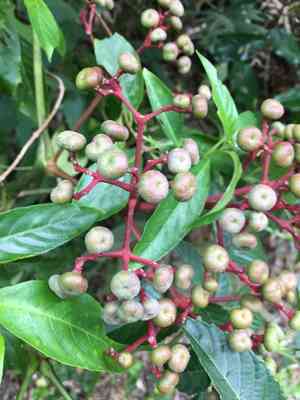
Leea can be successfully multiplied using stem sections. For optimal root development, select robust, established stems and divide them into portions containing multiple leaf junctions. These segments should then be situated in a porous growing substrate to stimulate root formation. Maintaining consistent moisture in the medium and offering a steady, warm atmosphere will improve the likelihood of successful propagation.
Optimal Time for Leea Propagation
Propagation Method
Cuttings
Propagation Period
Fall,Winter
Tools for Leea Propagation
Sharp Pruning Shears
These are vital for making clean cuts of leea stems to start new plants. Sharp blades ensure a smooth cut, preventing disease entry and damage to the parent plant. Precise cuts improve rooting success.
Rooting Hormone Powder
This aids in the development of roots from leea cuttings. Dipping the cut stem end into the hormone significantly boosts the chances of healthy root formation, essential for new plant stability and growth.
Sterile Potting Mix
A clean, well-draining potting mix, free of pathogens, is critical for the initial growth of leea cuttings. It supports healthy root development without the risk of soil-borne diseases that could hinder propagation.
Humidity Dome
Maintaining high humidity around new leea cuttings is crucial for their survival and growth. A humidity dome creates a microenvironment with adequate moisture, promoting rooting and preventing cuttings from drying out.
Heat Mat
Consistent, gentle warmth from a heat mat can greatly enhance the rooting process of leea cuttings, especially in cooler climates. Optimal temperature stimulates root growth and increases overall propagation success.
Propagating Leea Guide
Propagation Difficulty
Moderately Challenging
Post-Propagation Care for Leea
Post-Propagation Care for Leea
Once roots are established, gradually expose leea to outdoor conditions by removing the plastic cover or opening the mini greenhouse for a few hours daily. Keep the soil moist but not waterlogged, as leea prefers well-drained conditions. After full acclimation, provide leea with partial to full shade, regular watering, and occasional light feeding with a balanced liquid fertilizer to encourage healthy growth and build resistance to common pests and diseases.
Common Propagation Errors for Leea
Overwatering
Watering leea too often can cause root rot, as its roots need a balance of moisture and air. Excess water displaces air in the soil, suffocating roots and encouraging fungal diseases.
Using unsuitable soil mix
Employing a soil mix that drains poorly or doesn't retain enough moisture can impede leea's root development. An incorrect mix can lead to waterlogging or rapid drying, stressing the plant.
Incorrect cutting size
Taking cuttings that are either too long or too short can impact rooting success. Overly long cuttings may not survive before rooting, while very short ones often fail to develop a strong root system.
Neglecting humidity for cuttings
Ignoring the need for high humidity when propagating leea from cuttings can result in dehydration and poor root formation. Cuttings require a moist environment to establish new growth effectively.
Leea Propagation Advice
Appropriate rooting medium
Use a light, well-draining, and slightly moist soil mix for rooting leea cuttings. A blend of peat and perlite or sand ensures good aeration and moisture retention, vital for healthy root development.
Ideal cutting length
Prepare cuttings that are approximately 4-6 inches long, with several leaves. Ensure at least one node (where leaves attach to the stem) is submerged in the rooting medium, as roots develop from these points.
Maintain humidity
To create a suitable environment for leea cuttings, use a plastic cover or a humidity dome. This setup maintains high humidity around the cuttings, which is crucial for encouraging root growth and preventing them from drying out.
Regular monitoring
Periodically check the soil's moisture level and the condition of the cuttings. Ensuring the medium is consistently moist (but not waterlogged) and that cuttings show no signs of stress, such as wilting or yellowing, is key to propagation success.



