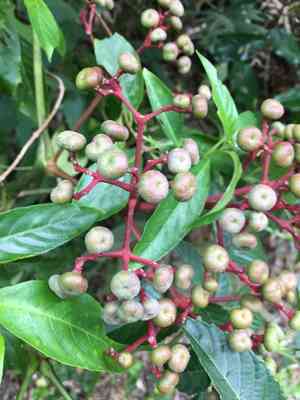
Leea(Leea guineensis)

Leea (Leea guineensis)

Also known as: Bandicoot berry, Amamali

*Turnera subulata*, also called West Indian Holly, is a plant species native to Southeast Asia. This plant is frequently used in landscaping due to its decorative flowers and aesthetic appeal.

Attributes of Leea

Lifespan
Perennial
Plant Type
Tree, Shrub
Plant Height
1.5 m to 6 m
Spread
1.2 m to 2.5 m
Leaf Color
Green
Flower Size
1 cm to 2 cm
Flower Color
White Yellow Red Orange

ForwardPlant - Identify plants with a snap

Identify and diagnose plants, get toxicity alerts, and explore safety guides for all types of fungi.

Try for Free

Images of Leea

Leea(Leea guineensis)

Quickly Identify Leea

1
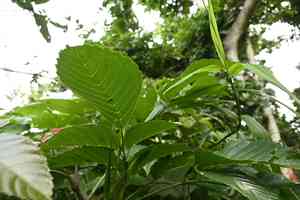
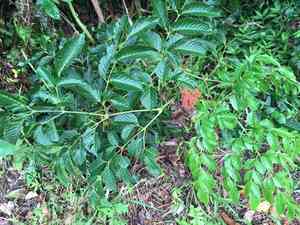
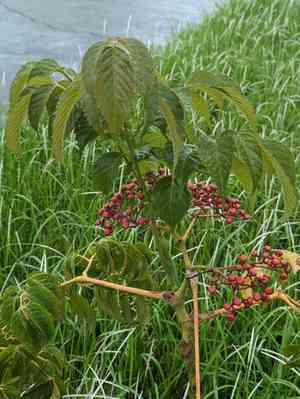
Identify Leea guineensis by its large, glossy, compound leaves and reddish petioles. The flowers are small and usually a reddish-pink color. When in fruit, the plant bears small, red to black berries.

Scientific Classification of Leea

Phylum
Vascular plants
Class
Dicotyledons
Order
Vitales
Family
Grape
Genus
Leea
Species
Leea

Planting and Growing of Leea

Care Difficulty
Easy
Watering Schedule
Every 4 days
Sunlight Requirements
Partial sun
Sunshine Duration
4-8 hours
Ideal Temperature
68-77℉
Soil Type
Potting Mix, Peat Mix
Soil pH
6-7.5
Fertilizer Type
Balanced
Pruning Season
Spring, Summer
Pruning Area
Branches, Leaves
Pruning Frequency
2 times a year
Repotting Season
Spring
Pot Type
Plastic, Ceramic

water icon How to Water Leea?

Leea guineensis prefers a thorough watering each time, ensuring water reaches deep into the root zone. This approach allows the soil to absorb moisture adequately without drowning the roots. The water should be enough to make the soil moist to the touch without being waterlogged.
What are the symptoms of an underwatered Leea?
What should I do if my Leea is not getting enough water?
What are the symptoms of an overwatered Leea?
How to save an overwatered Leea?

sunlight icon What Are the Sunlight Requirements for Leea?

Sunlight Requirements: Partial sun
Duration of light: 3-5 hours of sunlight
Leea guineensis thrives in partial sun environments. Its growth benefits from filtered sunlight, enhancing leaf health and promoting robust development.
Optimal Sun Exposure
Strategic Placement
Adjusting with Seasons
More About Sunlight Requirements Techniques

temperature icon What Is the Ideal Temperature Range for Leea?

Ideal Temperature: 68 ~ 77℉
The ideal temperature range for Leea guineensis is between 68°F and 77°F. This range ensures optimal metabolic functions and physiological growth. Consistent temperatures within this range promote healthy leaf development, vibrant flowering, and robust overall plant health.

soil icon What Soil is Best for Leea?

Soil type: Loam, Sandy loam, Sandy soil
Soil PH: 6 ~ 7.5
Leea guineensis thrives in well-draining soil to prevent waterlogging and root rot. Ensuring good drainage allows roots to breathe and helps maintain a healthy plant, translating to vibrant growth and strong resilience against diseases. The plant benefits from soil enriched with organic matter, which improves nutrient availability and soil structure. This contributes to better plant nourishment, promoting lush foliage and steady, robust development. While it requires well-draining soil, maintaining moderate soil moisture is essential for Leea guineensis. This moisture balance encourages healthy root systems and supports overall plant vitality, reducing stress during dry periods.

fertilize icon How to Fertilize Leea?

Fertilizer type: Balanced
For Leea guineensis, it is vital to ensure proper nutrient provision. Use a balanced liquid fertilizer diluted to half strength, providing around 250 ml evenly across the soil surface. Adjust based on plant growth stages and environmental conditions.

prune icon How to Prune Leea?

Pruning Time: Spring, Summer, Autumn
When pruning Leea guineensis, start by removing any dead or diseased branches. Use sharp, sterilized pruners to make clean cuts just above a node or bud. Aim for a more open structure to allow light and air to penetrate the canopy. This will encourage new growth and flowering. To shape the Leea guineensis, prune back any excessively long or leggy stems. Trim them back to a lower node to encourage a bushier appearance. Always step back and evaluate the overall shape of the plant as you prune to ensure it maintains a natural look. More About Pruning Techniques

propagate icon How to Propagate Leea plant?

Propagate Time: Spring, Early summer
1
Soak the seeds of Leea guineensis in warm water for 24 hours before sowing to break dormancy and enhance germination rates. After soaking, sow the seeds in seedling trays filled with a well-draining potting mix.
2
Select healthy, non-flowering stems and use sterilized pruning shears to cut 6 to 8-inch sections. Remove the lower leaves to reduce water loss, and treat the cutting ends with rooting hormone to promote root development.
3
Insert the prepared cuttings into a pot filled with a moist, well-draining soil mix. Cover with a plastic bag or place in a propagation tray with a lid to maintain humidity, which is essential for root formation.
More About Propagating Techniques

repot icon How to Repot Leea plant?

Repotting frequency: Every 2-3 years
1
Recognize when Leea guineensis requires repotting by observing its root system. If roots are emerging from drainage holes or circling inside the pot, it's time to consider repotting. Additionally, notice if the plant's growth has slowed down significantly; this might indicate root-bound conditions.
2
Select a pot that's 2 inches larger in diameter than the current one. Ensure it has drainage holes to facilitate water flow, preventing waterlogging, which can cause root rot. Opting for a breathable material like terracotta can also aid in maintaining appropriate moisture levels.
3
For Leea guineensis, choose soil that is rich in organic matter and well-draining. This kind of soil ensures that roots have access to nutrients while preventing water from stagnating around them. A mix containing peat, vermiculite, and compost offers excellent drainage and nutrient content.

ForwardPlant - Identify plants with a snap

Find the best spots for them to optimize their health, simply using your phone.

Try for Free

Toxicity of Leea

Is Leea toxic to humans?

Leea exhibits a moderate degree of toxicity and is capable of triggering allergic reactions in humans. Any interaction with the plant, whether through touch or ingestion, may lead to poisoning. The entire plant is deemed toxic, and exposure can result in a variety of symptoms. These symptoms may include skin irritation or dermatitis from physical contact. In cases of ingestion, leea can provoke more serious reactions such as gastrointestinal distress, which is characterized by nausea, vomiting, and abdominal pain. Given the plant's moderate toxicity, it is crucial for individuals to take precautions to prevent accidental ingestion and direct contact with the plant, as every part possesses the potential to cause negative health effects.

Is Leea toxic to cat?

Leea presents a moderate threat to the health of cats, as all parts of the plant carry toxic potential. Felines can be poisoned either through skin contact or ingestion, which may occur if they brush against or chew on the plant out of curiosity. Exposure to leea can result in significant signs of physical discomfort or illness. Cat owners who notice such distress in their pets should act swiftly, immediately taking the cat to a veterinary clinic for professional assessment and treatment.

Is Leea toxic to dog?

Leea is recognized as having moderate toxicity levels for dogs. There are various ways that dogs can be exposed to this plant, which includes incidental ingestion or direct contact. If a dog comes into contact with or eats any part of the leea plant, which is toxic in all its forms, they may show symptoms of poisoning. These symptoms might range from mild to severe, potentially including vomiting, diarrhea, lethargy, or more serious issues such as difficulty breathing or alterations in heart rate. It is essential for dog owners to remain alert and prevent their pets from coming into contact with leea. Should a dog be suspected of being poisoned by leea, it is vital to obtain immediate veterinary assistance to secure the best possible outcome for the affected pet.

Identify toxic plants for your safety

Learn which plants are harmful to you and your pets, and make informed choices for a safer home!

Try for Free
WARNING
The judgment on toxicity and danger is for reference only. We DO NOT GUARANTEE any accuracy of such judgment. Therefore, you SHALL NOT rely on such judgment. It is IMPORTANT TO SEEK PROFESSIONAL ADVICE in advance when necessary.
More About Toxic Techniques