How to Transplant Cyprus vetch?
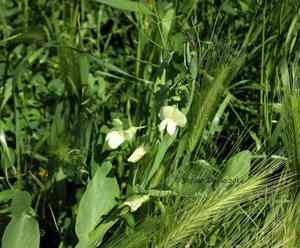
Relocate cyprus vetch once spring's coolness diminishes, generally between mid-spring and early summer, to provide an ideal environment for root development. Select a brightly lit area with effective water runoff to encourage robust proliferation.
What Preparations are Needed Before Transplanting Cyprus Vetch?
What is the Ideal Time for Transplanting Cyprus Vetch?
Move cyprus vetch in late spring to early summer to leverage warm soil and mild temperatures, promoting robust development. Relocating cyprus vetch during this period encourages root establishment before peak summer heat, ensuring a strong, healthy plant. A helpful hint: transplanting cyprus vetch when the season is vibrant with growth promises a flourishing, happy addition to your garden.
How Much Space Should You Leave Between Cyprus Vetch Plants?
When relocating cyprus vetch, allow ample room for each plant to thrive. Ideally, position them approximately 20-30 cm (8-12 inches) apart. This provides sufficient space for root expansion and vigorous growth. Rest assured, cyprus vetch is sociable and tolerates close neighbors!
What is the Best Soil Mix for Cyprus Vetch Transplanting?
For cyprus vetch, a well-draining soil rich in organic matter will be ideal! Before transplanting, enrich your soil with compost or a balanced slow-release fertilizer. This preparation will nourish cyprus vetch and foster strong growth from the outset.
Where Should You Relocate Your Cyprus Vetch?
Selecting a sunny location for your cyprus vetch is like choosing the perfect sun-drenched holidayâthey'll adore it! Aim for a spot where they can soak up full sunlight for at least 6-8 hours daily to optimize photosynthesis and flourish.
What Equipments Should You Prepare Before Transplantation Cyprus Vetch?
Gardening Gloves
To safeguard your hands while handling soil and plants.
Trowel
To excavate and refine the planting hole for your cyprus vetch.
Watering Can or Hose
To hydrate the cyprus vetch before and after its relocation.
Garden Spade or Shovel
To dig around and beneath the plant, ensuring the root ball remains intact during extraction.
Wheelbarrow or Plant Caddy
To gently and easily move the cyprus vetch from its original spot to the new location.
Measuring Tape
To determine the correct spacing between planting sites.
Root Pruning Shears
To trim any damaged or excessively long roots if necessary.
How Do You Remove Cyprus Vetch from the Soil?
How Do You Remove Cyprus Vetch from the Soil?
From Ground: First, moisten the soil around the cyprus vetch to make it easier to work with. Use a garden spade or shovel to dig a wide circle around the plant, extending beyond its canopy to avoid damaging the root system. Carefully work the tool under the root ball to lift the cyprus vetch, preserving as much of the root ball as possible.From Pot: Lightly water the cyprus vetch if the soil is dry. Tilt the pot to one side and gently tap its sides to loosen the roots from the container walls. You might roll the pot on the ground with light pressure to help release the root ball. Grasp the plant's base and carefully ease the entire plant out of the pot, taking care not to pull on the stems.From Seedling Tray: Dampen the soil before attempting to extract the young cyprus vetch. Use a trowel or your fingers to gently separate the soil and lift the seedling from its cell, being cautious not to harm the delicate roots and shoot.
Step-by-Step Guide for Transplanting Cyprus Vetch
Preparing the cyprus vetch for Removal
Water the soil surrounding the cyprus vetch to help minimize root damage and facilitate easier extraction.
Digging Out the cyprus vetch
Use a spade or shovel to carefully dig around the plant, ensuring a generous amount of soil is included with the root ball. Avoid cutting into the roots.
Inspecting the Root Ball
Once the cyprus vetch has been removed, gently shake off any loose soil and examine the root ball for any damaged roots that may require trimming.
Preparing the New Hole
Dig a hole in the new location that is twice as wide and equally deep as the root ball, allowing space for the roots to spread.
Placing the cyprus vetch
Position the cyprus vetch in the center of the new hole at the same depth it was previously growing. Fill in around the root ball with the excavated native soil, gently tamping down as you go to eliminate air pockets.
Watering
After the cyprus vetch is in place, water it thoroughly to settle the soil and hydrate the roots. This will also help to remove any remaining air gaps around the roots.
Stabilizing the cyprus vetch
If the cyprus vetch is tall or top-heavy, you might need to stake it to prevent wind damage until the roots have sufficiently established themselves.
How Do You Care For Cyprus Vetch After Transplanting?
Regular Watering
Until the cyprus vetch has settled, ensure it receives consistent moisture, especially during dry periods. Avoid excessive watering, which can lead to root rot.
Mulching
Apply a layer of organic mulch around the base of the cyprus vetch to help retain moisture, regulate soil temperature, and suppress weeds.
Monitoring for Pests and Diseases
Watch for signs of pests or diseases that can affect a plant weakened after transplant, and take appropriate action.
Support Structures
If you've added a stake or other support, ensure it's secure and periodically check that it's not harming the cyprus vetch.
Feeding
Once the cyprus vetch appears to be successfully rooting and showing new growth, you can begin using a balanced fertilizer to encourage healthy development.
Troubleshooting Common Issues with Cyprus Vetch Transplantation.
What is the optimal time to transplant cyprus vetch?
Relocate cyprus vetch during the ideal period of late spring to early summer for best outcomes.
How far apart should I space cyprus vetch when transplanting?
Allow each cyprus vetch ample room to thrive by spacing them 8-12 inches (20-30 cm) apart.
Why are my transplanted cyprus vetch's leaves turning yellow?
Yellow foliage can indicate overwatering or poor drainage. Ensure soil is moist but well-drained.
What kind of light does cyprus vetch need after transplanting?
Position cyprus vetch in full sun to promote vigorous growth post-transplant.
How often should I water cyprus vetch after transplanting?
Water cyprus vetch enough to keep the soil consistently moist without becoming waterlogged.
Can I fertilize cyprus vetch immediately after transplanting?
Wait 2-4 weeks before fertilizing to allow cyprus vetch to adapt to its new environment.
Why isn't my cyprus vetch growing after transplant?
Stunted growth may be due to transplant shock. Give it time and gentle care to recover.
Should I prune cyprus vetch when transplanting?
Pruning is not necessary during transplanting. Focus on root and soil health.
How deep should I plant cyprus vetch's roots in the new location?
Place cyprus vetch's roots at the same depth as in their previous setting for a smooth transition.
Is it okay to transplant cyprus vetch on a hot day?
Transplant on a cool, overcast day to minimize stress on cyprus vetch.



