How to Propagate Cyprus vetch?
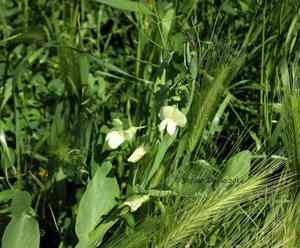
Cyprus vetch is generally multiplied by planting seeds directly into soil that drains effectively. To achieve the best outcomes, cultivators ought to ready a refined seedbed, devoid of unwanted vegetation, and plant seeds superficially, ensuring minimal covering. Sufficient hydration is crucial for sprouting, yet excessive watering must be prevented to avert decay. Once seedlings are stable, thin them out to facilitate vigorous development. This leguminous plant flourishes in ample sunlight and demands minimal upkeep after its young plants are firmly rooted. Consistent inspection for harmful organisms and ailments will aid in preserving the plant's well-being.
Optimal Time for Cyprus Vetch Propagation
Propagation Method
Seeding
Propagation Period
Spring
Tools for Cyprus Vetch Propagation
Seed trays
Seed trays are shallow containers with multiple compartments specifically designed for starting seeds. They are ideal for the sowing process of cyprus vetch. Seed trays enable uniform seed distribution, providing individual spaces that aid in monitoring each seedling's growth and health. This compartmentalization simplifies transplanting seedlings once they mature, minimizing root disturbance and promoting healthier development.
Peat pots
Peat pots are biodegradable planters especially beneficial for cyprus vetch, as they can be directly planted into the soil after seed germination. Using peat pots reduces the risk of transplant shock, which can be crucial for delicate seedlings like cyprus vetch. Furthermore, peat helps maintain moisture around the roots, essential for the growth and establishment of new plants.
Fine mist spray bottle
A fine mist spray bottle is crucial for gently watering cyprus vetch seeds during the initial germination stages. It delivers a delicate water spray that moistens the soil without dislodging seeds, fostering consistent moisture levels necessary for seed germination. An adjustable nozzle that controls spray intensity is particularly advantageous for ensuring young seedlings are not overwhelmed by water.
Seedling heat mat
A seedling heat mat assists in maintaining optimal soil temperature, boosting the germination rate and speed for cyprus vetch. This tool is especially important for propagators in cooler climates where ambient temperatures might not be ideal for germination. By providing a steady heat source, the heat mat ensures that cyprus vetch seedlings develop a robust root system early on.
Labeling sticks and marker
Labeling sticks paired with a permanent marker are valuable tools for tracking the growth and variety of cyprus vetch during propagation. Proper labeling prevents confusion, particularly when managing multiple species or varieties. This is especially vital in a nursery setting where accurate records contribute to effective care and management.
How to Propagate Cyprus Vetch?
Propagation Type
Simple
Caring for Your Newly Propagated Cyprus Vetch
Caring for Your Newly Propagated Cyprus Vetch
Following propagation, gradually acclimate cyprus vetch seedlings to outdoor conditions if started indoors. Transplant seedlings to their permanent location once they are robust enough and have several true leaves. Maintain consistent watering and provide support structures if needed, as cyprus vetch can develop into a climbing plant. Regular checks for pests and diseases will help ensure healthy growth. For optimal development, fertilize lightly with a balanced fertilizer every 4-6 weeks during the growing season.
Common Mistakes to Avoid When Propagating Cyprus Vetch
Overwatering
Excessive watering can lead to root rot in cyprus vetch, as it prefers well-drained soil. Too much moisture can suffocate the roots, diminishing the plant's ability to absorb nutrients and making it vulnerable to diseases.
Deep planting
Planting seeds or seedlings too deeply can impede cyprus vetch's germination and growth. This error limits exposure to essential air and light, potentially causing seeds to rot or seedlings to suffocate.
Neglecting to acclimatize
Failing to gradually acclimate cyprus vetch to outdoor conditions can result in transplant shock. This stress can stunt growth or lead to the plant's demise, as it is not accustomed to sudden environmental changes.
Tips For Propagating Cyprus Vetch
Moderate watering
Ensure the soil is moist but not waterlogged when propagating cyprus vetch. Use a well-draining soil mix to prevent water accumulation around the roots.
Shallow planting
Sow the seeds or place the cuttings of cyprus vetch at a shallow depth. This allows adequate light exposure and air circulation, which are crucial for initial growth stages.
Gradual acclimatization
Gradually expose cyprus vetch to its future growing conditions over a period of days or weeks. Begin with short periods outdoors and progressively increase, which helps the plant adjust without experiencing stress or shock.



