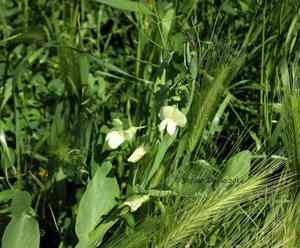
Cyprus vetch (Lathyrus ochrus)
Also known as: Yellow pea, Ochrus vetch
Lupine (Lupinus spp.) is a spring-blooming plant that flourishes in sunny, dry environments and adapts well to various soil types. It serves as a natural 'nitrogen fixer,' enriching the soil with nitrogen when its roots decay.
In This Article
Attributes of Cyprus vetch
Lifespan
Annual
Plant Type
Herb
Plant Height
60 cm
Spread
Varies with support structure
Leaf Color
Green
Flower Size
1.5-2 cm
Flower Color
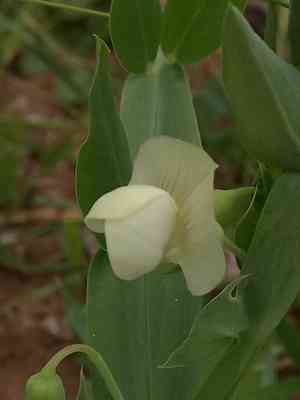
White Green
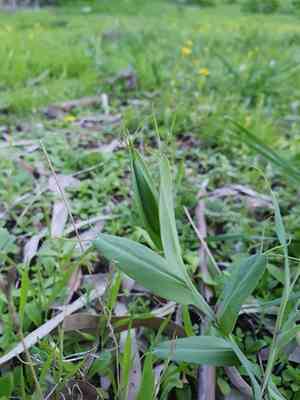
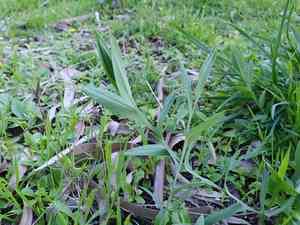
Images of Cyprus vetch
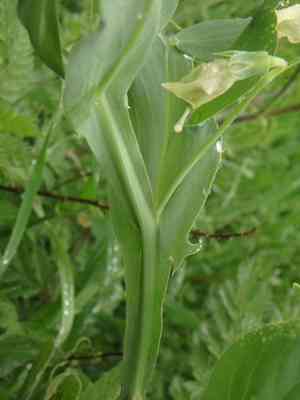
Quickly Identify Cyprus vetch
1
To identify Lathyrus ochrus, look for a climbing or trailing plant with slender stems and pinnate leaves. The yellow, butterfly-shaped flowers are a key distinguishing feature, along with the flat, hairless pods.
Scientific Classification of Cyprus vetch
Phylum
Vascular plants
Class
Dicotyledons
Order
Fabales
Family
Legume
Genus
Peavines
Species
Cyprus vetch
Planting and Growing of Cyprus vetch
Care Difficulty
Easy
Watering Schedule
Every 3 days
Sunlight Requirements
Partial sun
Sunshine Duration
6-10 hours
Ideal Temperature
60-75℉
Soil Type
Potting Mix, Peat Mix
Soil pH
6.5-7.5
Fertilizer Type
Balanced
Pruning Season
Spring, Summer
Pruning Area
Branches, Leaves
Pruning Frequency
2 times a year
Repotting Season
Spring
Pot Type
Plastic, Ceramic
 How to Water Cyprus vetch?
Lathyrus ochrus prefers consistent moisture during its growth period. Water deeply but allow the top inch of soil to dry out between waterings. This ensures the roots are not waterlogged while maintaining adequate hydration.
What are the symptoms of an underwatered Cyprus vetch?
›
What should I do if my Cyprus vetch is not getting enough water?
›
What are the symptoms of an overwatered Cyprus vetch?
›
How to save an overwatered Cyprus vetch?
›
 What Are the Sunlight Requirements for Cyprus vetch?
Lathyrus ochrus ideally thrives in partial sun conditions, which provide about 4 to 6 hours of daily sunlight. This light arrangement facilitates optimal photosynthesis and growth, enabling robust flowering and foliage development.
More About Sunlight Requirements Techniques→
How much light does Lathyrus ochrus need?
›
How can I provide ideal lighting?
›
What are the benefits of ideal lighting?
›
 What Is the Ideal Temperature Range for Cyprus vetch?
For optimal growth, Lathyrus ochrus prefers a temperature range between 60°F and 75°F. This range ensures that the plant's metabolic processes occur at an efficient rate, promoting healthy foliage and vibrant blooms. Staying within this range helps in avoiding unnecessary stress, leading to robust growth and flowering.
 What Soil is Best for Cyprus vetch?
Lathyrus ochrus thrives best in well-draining soil which prevents waterlogging, a condition it particularly dislikes as it can lead to root rot and other detrimental issues. A nutrient-rich soil supports the healthy growth of Lathyrus ochrus, offering essential nutrients that aid in its lush foliage and vibrant flowers. Maintaining moderate soil moisture is crucial as overly dry or water-saturated conditions can stress the plant, affecting its growth and vitality.
 How to Fertilize Cyprus vetch?
Lathyrus ochrus requires a moderate amount of fertilizer for optimal growth. For liquid fertilizers, mix at a ratio of 1:10 with water. Ensure that the soil is moist before applying to avoid root burn. For slow-release fertilizers, evenly distribute granules around the base of the plant, taking care not to place directly on the stems.
 How to Prune Cyprus vetch?
Start by removing any dead or diseased stems to prevent the spread of disease. Next, trim back any leggy or overgrown branches to maintain a bushy appearance. Use sharp, clean pruning shears for clean cuts, and always cut just above a leaf node. Prune lateral shoots back to promote fuller growth across the plant. This will encourage the Lathyrus ochrus to produce more flowers in the blooming season. Focus on thinning out crowded areas to improve air circulation and light penetration, which is essential for preventing fungal issues.
More About Pruning Techniques→
 How to Propagate Cyprus vetch plant?
1
Sow the Lathyrus ochrus seeds evenly in prepared seed trays filled with a well-draining substrate. Cover the seeds lightly with soil and place in a location with indirect sunlight.
2
Keep the soil consistently moist but not waterlogged. Use a spray bottle or a fine mist to water the seeds gently, ensuring the soil surface remains damp during the germination phase.
3
Once the seedlings have developed a few true leaves, gently transplant them into individual pots or a prepared garden bed, ensuring they have enough space to grow and develop their root systems thoroughly.
 How to Repot Cyprus vetch plant?
1
You should consider repotting Lathyrus ochrus when you notice roots growing out of the drainage holes, the soil draining too quickly, or a visible lack of growth. These signals indicate that the plant is outgrowing its current pot or the soil is no longer providing adequate nutrients or drainage.
2
Select a pot that is one size larger than the current one, with sufficient drainage holes. A slightly larger pot will provide more room for root expansion without overwhelming the plant. Good drainage prevents waterlogging, which is crucial for maintaining root health.
3
Opt for a well-draining potting mix with components like perlite, vermiculite, or sand. These ingredients ensure efficient drainage, preventing root rot by not allowing water to linger in the soil. A soil specifically formulated for legumes would be especially beneficial.
Toxicity
Ingestion
WARNING
The judgment on toxicity and danger is for reference only. We DO NOT GUARANTEE any accuracy of such judgment. Therefore, you SHALL NOT rely on such judgment. It is IMPORTANT TO SEEK PROFESSIONAL ADVICE in advance when necessary.
Learn More About Cyprus vetch Diseases
Anthracnose
Bacterial Leaf Spot
Bacterial Wilt
Cyst Nematode
Damping-off
Downy Mildew
Drought Stress
Fusarium Wilt
Gray Mold
Leaf Spot
Mosaic
Nutrient Deficiency
Nutrient Toxicity
Powdery Mildew
Root Rot
Root-knot Nematode
Rusts
Sooty Mold
Spider Mites
Temperature Stress
Thrips Damage
White Mold
Chemical Injury
Leaf Curl



