How to Transplant Black pea?
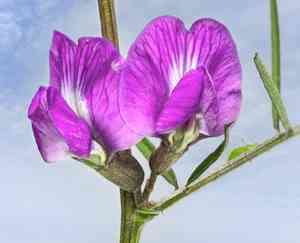
For black pea, the ideal time for relocation is from the refreshing onset of spring through the initial phase of summer. Select a spot that receives filtered light and possesses soil with good drainage. Carefully settle black pea into its new environment, keeping in mind its preference for ample room and moderate hydration.
Preparations Required Before Relocating Black Pea
Optimal Period for Moving Black Pea?
The perfect time to move black pea is after the last frost but before the peak of summer heat. Transplanting black pea in this milder climate allows its roots to settle in the cool, yet warming soil, encouraging strong development. Early establishment ensures black pea is well-rooted before the more intense heat arrives, leading to a healthier, flourishing plant. This also provides black pea with a long growing season to strengthen before its next dormant phase. A step you'll appreciate for a garden full of life!
Recommended Spacing Between Black Pea Plants?
When planning to move your black pea, aim for ample spacing of approximately 18-24 inches (45-60 cm) between them. This provides each plant sufficient room to thrive and reach its full potential. It's always wise to give your plants their individual area!
Best Soil Mixture for Black Pea Relocation?
For your black pea, well-draining and fertile soil is ideal. A good idea is to mix in some organic compost or a balanced slow-release fertilizer into the soil before planting. This will give your black pea an excellent start and support its development.
Where Should You Replant Your Black Pea?
Find a suitable spot for your black pea that receives partial to full sunlight. This plant enjoys some sun exposure but also benefits from shade during the hottest part of the day. A location with morning sun and afternoon shade would be absolutely perfect!
Equipment to Prepare Before Transplanting Black Pea
Gardening Gloves
To safeguard your hands while handling soil and plants.
Trowel
For digging small holes when moving seedlings or young plants.
Spade
Used for digging around larger plants to prepare them for removal from the ground.
Watering Can
To hydrate the plant before and after its relocation.
Pruners
To trim any damaged roots or foliage prior to transplanting.
Wheelbarrow
To easily transport the black pea plant and soil.
Rooting Hormone (optional)
To stimulate root growth in the new location if needed.
How to Extract Black Pea from the Soil?
How to Extract Black Pea from the Soil?
From Ground: First, water the black pea plant to moisten the soil. Then, dig a wide trench around the plant using a spade, ensuring the plant's root ball remains intact. Carefully work the spade beneath the root ball to lift the plant from its original spot.From Pot: Water the black pea thoroughly to make the soil damp, which helps the roots slide out easily. Turn the pot on its side, tap the bottom, and gently pull the black pea out while supporting the plant at its base.From Seedling Tray: Moisten the soil surrounding the black pea seedlings. Use a trowel or your fingers to carefully lift the seedling, making sure to bring as much of the root system with it as possible.
Step-by-Step Guide for Relocating Black Pea
Prepare the New Site
Dig a hole in the ground that is twice the width of the root ball and of equal depth. This provides ample room for the black pea roots to spread.
Examine the Rootball
Before transplanting, check the rootball of black pea for any roots that are circling or girdling. If present, gently separate them to encourage outward growth.
Plant at the Correct Depth
Position the black pea plant in the center of the hole so that the top of the root ball is level with the soil surface. This ensures proper root establishment.
Backfilling
Carefully refill the hole, gently firming the soil around the black pea with your hands to eliminate air pockets without overly compacting the soil.
Water Generously
Water the black pea thoroughly after transplanting to settle the soil around the roots and to help reduce transplant shock.
Stake if Necessary
If the black pea is tall or unstable, provide support by staking until the roots take hold and can support the plant independently.
Post-Transplant Care for Black Pea
Monitoring
Regularly check the black pea for signs of stress such as wilting or discolored leaves, and adjust care as needed.
Watering
Keep the soil around the black pea consistently moist, but not waterlogged, for the initial few weeks after transplanting to help establish strong roots.
Mulching
Apply a layer of mulch around the black pea to maintain moisture levels and regulate soil temperature.
Pruning
Trim any damaged or broken stems to encourage healthy growth and to maintain an appealing shape.
Protection
Shield the black pea from strong winds or extreme weather if necessary with temporary barriers.
Addressing Common Issues with Black Pea Transplantation.
When is the best time to move black pea?
Transplant black pea ideally as winter's chill gives way to spring's mildness or as spring transitions to early summer warmth.
How much space should I leave between black pea when transplanting?
Allow each black pea approximately 18-24 inches (45-60 cm) of personal space to flourish when moving them to their new spot.
What kind of light does black pea require after transplanting?
Place black pea in a location where they will receive partial to full sunlight, ensuring healthy growth post-transplant.
How do I prepare the soil for transplanting black pea?
Enrich the soil with organic matter and ensure it drains well to create a nourishing bed for black pea.
What is the ideal soil pH for transplanting black pea?
Aim for a soil pH between 6.0 and 7.0, which is slightly acidic to neutral, for optimal growth of black pea.
Is it necessary to water black pea immediately after transplanting?
Absolutely! Water black pea generously right after transplanting to help them settle in and lessen transplant shock.
How do I know if black pea is experiencing transplant shock?
Signs of transplant shock include wilting leaves and stunted growth. Provide consistent care, and they'll likely recover.
Should I fertilize black pea right after transplanting?
Refrain from fertilizing immediately post-transplant. Let black pea establish in their new space for a few weeks before adding nutrients.
How deep should I plant black pea during transplanting?
Plant black pea at the same depth they were growing previously, to prevent stem rot or drying roots.
Can I transplant black pea on a hot, sunny day?
It's best to transplant black pea on a cloudy day or in the late afternoon to avoid excessive heat and sun exposure.



