How to Prune Black pea?
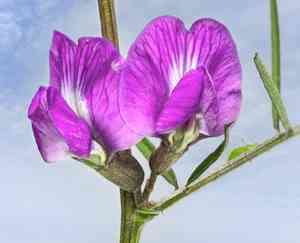
Renowned for its intricate leaves and impressive flowers, black pea flourishes with judicious trimming to preserve its form and encourage more vigorous development. Shape black pea immediately following its blooming period to prevent removing the subsequent season's flower buds. Pruning during the spring and summer months is optimal, aligning with its post-flowering recovery. Remove any lifeless or frail stalks to improve vigor and airflow. While black pea is not high-maintenance, attentive pruning boosts its flowering and prevents excessive growth, guaranteeing a strong exhibition of its distinctive dark blooms.
Advantages of Trimming Black Pea
Advantages of Trimming Black Pea
Trimming black pea promotes robust development and helps maintain an appealing form. This method can result in a stronger and more visually pleasing specimen by eliminating dead or weak stems, which fosters a healthier plant structure.
Optimal Period for Pruning Black Pea
Optimal Period for Pruning Black Pea
Pruning in Spring enables black pea to direct its energy towards new growth, leading to a healthier and more vigorous plant. Early Summer trimming assists in preserving its shape and size while decreasing disease risk, as wounds heal faster in mild, dry conditions. This timing aligns with the post-flowering phase, preventing the removal of developing buds, thus ensuring flowering potential is not compromised. Trimming at these times supports black pea's natural growth cycle and enhances blooming in the subsequent season.
Necessary Tools for Pruning Black Pea
Hand pruners
Perfect for making precise cuts on black pea, whose stems are not excessively thick and require a tool that provides a clean cut without bruising or damaging the plant.
Garden scissors
Effective for snipping through delicate or thin stems of black pea, allowing for detailed shaping and thinning of the plant without harming adjacent foliage.
Pruning saw
Can be used for black pea in the rare instance of removing thicker, woody stems if the plant is mature and has developed such growth. This tool allows for cutting without applying excessive pressure, which could damage the plant.
Gloves
Protective gear to ensure the gardener's safety when handling black pea, as they guard against thorns and rough plant material during the pruning process.
How to Prune Black Pea
Disinfect Tools
Before beginning, sanitize your pruning shears with alcohol or a bleach solution to prevent the spread of disease to black pea.
Remove Diseased Leaves
Carefully inspect black pea and trim away any diseased leaves using your sterilized shears. Make cuts at the base of the leaf stem, ensuring not to harm nearby healthy tissue.
Prune Withered Leaves
Identify and snip off any withered leaves from black pea to maintain healthy growth and appearance. Remove them at their base to promote better air circulation and light penetration.
Cut Diseased Stems
Locate and cut back any diseased stems on black pea. Make pruning cuts above healthy leaf nodes to encourage new growth. Ensure each cut is clean to facilitate quick healing.
Sanitization
After pruning, clean your tools again and dispose of the diseased material properly to prevent the spread of pathogens in the garden.
Common Pruning Errors with Black Pea
Over-Pruning
Removing too much foliage can weaken black pea, compromise its health, and reduce its flowering potential.
Improper Cut Placement
Cutting too close or too far from the buds can lead to poor growth or damage to black pea.
Using Blunt Tools
Pruning with dull tools can cause unnecessary injury to black pea, making it more susceptible to diseases.
Not Sanitizing Tools
Failing to clean pruning tools can spread diseases between plants when working on black pea.
Ignoring Disease Signs
Neglecting to remove diseased or pest-infested parts of black pea can lead to further spread of the issue.
Pruning At Wrong Growth Stage
Cutting back black pea during its active growth can interfere with its natural development and flowering.
General Pruning Advice for Black Pea
Selective Pruning
Carefully choose which stems to cut, aiming to thin out overcrowded areas to increase air circulation and light penetration for black pea.
Sharp Tools
Always use sharp, clean shears or scissors to make clean cuts that will heal quickly on black pea.
45-Degree Angle Cuts
Make cuts at a 45-degree angle about 1/4 inch above a leaf node to promote healthy regrowth for black pea.
Disinfecting Tools
Disinfect tools before and after pruning black pea to minimize disease transmission.
Deadheading
Regularly remove spent blooms of black pea to encourage more blooms and prevent energy from going into seed production.
Watch For Regrowth Patterns
Understand and observe how black pea responds to pruning to tailor your technique for optimal plant health and appearance.
Balance Pruning
Ensure a balanced approach by equally thinning black pea from all sides to maintain a natural shape and promote even growth.



