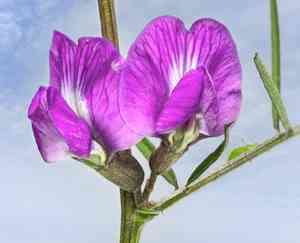
Black pea (Lathyrus niger)
Also known as: Black Pea, Black-flowered Pea
Lathyrus niger is a perennial plant characterized by erect and self-supporting stems that reach heights of 30 to 80 cm. The stems are branched, unwinged, and nearly hairless. Its alternate leaves feature short, winged stalks and narrow stipules. The leaf blades are pinnate, consisting of four to eight pairs of narrow, elliptical leaflets with pointed tips and smooth edges. Notably, this species lacks tendrils.
In This Article
Attributes of Black pea
Lifespan
Perennial
Plant Type
Herb
Plant Height
30 cm to 80 cm
Spread
Not typically measured, as it is a herbaceous plant
Leaf Color
Green Black
Flower Size
1-2 cm
Flower Color
Purple Blue
Images of Black pea
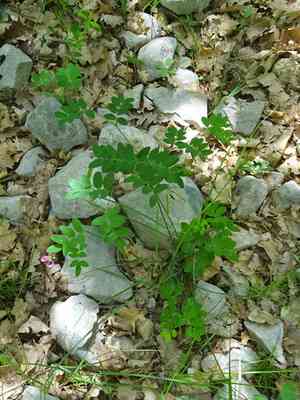
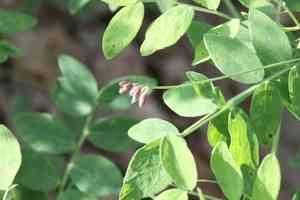
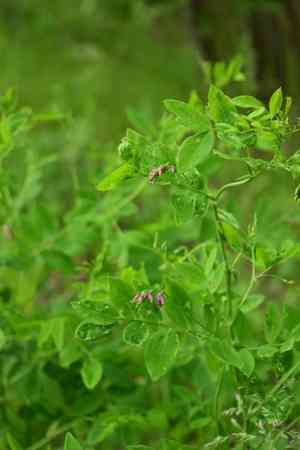
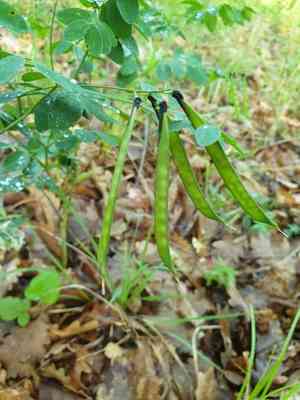
Quickly Identify Black pea
1
Lathyrus niger can be identified by its dark purple to blackish flowers, which are unique among the Lathyrus species. The plant has pinnate leaves with 4-8 leaflets and tendrils for climbing. The stems are winged, which is a key feature for identification.
Scientific Classification of Black pea
Phylum
Vascular plants
Class
Dicotyledons
Order
Fabales
Family
Legume
Genus
Peavines
Species
Black pea
Planting and Growing of Black pea
Care Difficulty
Easy
Watering Schedule
Every 2 days
Sunlight Requirements
Partial sun
Sunshine Duration
4-8 hours
Ideal Temperature
60-77℉
Soil Type
Potting Mix, Peat Mix
Soil pH
6.5-7.5
Fertilizer Type
Balanced
Pruning Season
Spring, Summer
Pruning Area
Branches, Leaves
Pruning Frequency
2 times a year
Repotting Season
Spring
Pot Type
Terracotta, Plastic
 How to Water Black pea?
Lathyrus niger, a perennial herb, appreciates consistent moisture. The goal is to keep the soil evenly moist without becoming waterlogged. Ideally, aim to provide about 300 milliliters each watering. Make sure excess water drains away to prevent root rot.
What are the symptoms of an underwatered Black pea?
›
What should I do if my Black pea is not getting enough water?
›
What are the symptoms of an overwatered Black pea?
›
How to save an overwatered Black pea?
›
 What Are the Sunlight Requirements for Black pea?
Lathyrus niger enjoys partial sun to full shade environments. This range provides the right balance for growth, encouraging lush and healthy foliage, while minimizing stress due to heat or shade.
Optimal Sunlight Duration
›
Perfect Spot for Planting
›
Balancing Shade and Sun
›
 What Is the Ideal Temperature Range for Black pea?
The ideal temperature range for Lathyrus niger is between 60°F and 77°F. This range provides optimal conditions for growth and development, ensuring that the plant receives adequate warmth without experiencing excessive heat that could lead to stress or damage.
 What Soil is Best for Black pea?
Lathyrus niger thrives in well-drained soil conditions. The plant requires soil that allows excess water to quickly move away, preventing root rot. This ensures the roots receive enough oxygen while avoiding waterlogging, which can lead to fungal problems. This plant prefers soil with moderate fertility. Excessive nutrients can lead to vigorous, leggy growth at the expense of blooms. Balanced nutrition ensures steady growth while promoting healthy flower production, maintaining the plant's aesthetic appeal. Lathyrus niger benefits from soil that retains moisture but does not become waterlogged. Maintaining a consistent moisture level helps the plant stay hydrated in dry conditions, supporting lush foliage and continuous flowering without stressing the plant.
 How to Fertilize Black pea?
For Lathyrus niger, a moderate amount of fertilizer is ideal. Avoid using fertilizers with high nitrogen content, as they can promote excessive leaf growth at the expense of flowering. Stick to balanced or flower-promoting fertilizers.
 How to Prune Black pea?
Start by inspecting the plant for any dead or diseased stems and trim them off using clean, sharp pruning shears. Next, thin out any crowded areas to allow sunlight and air to penetrate, which helps reduce the risk of fungal diseases. After that, shape the plant by trimming the outer branches, creating a neat and balanced appearance. Make clean cuts at a 45-degree angle just above a leaf node or bud. This encourages new growth to emerge at a stronger angle, promoting healthy branching. Always sterlize your shears before use to prevent transferring diseases between plants.
More About Pruning Techniques→
 How to Propagate Black pea plant?
1
Collect mature seeds from the Lathyrus niger pods once they have turned brown and dry. Ensure the seeds are fully developed and free from pests or mildew.
2
Prepare a well-draining soil mixture specifically for seed propagation, consisting of equal parts compost and perlite. This provides the necessary aeration and moisture retention for young seedlings.
3
Take healthy and disease-free cuttings of approximately 10-15 cm in length. Use rooting hormone to enhance root development before placing them into a prepared potting mix.
 How to Repot Black pea plant?
1
Lathyrus niger signals its need for a new pot when you notice roots growing through the drainage holes or when its growth becomes stunted. Another sign is when the soil dries out faster than usual, indicating that the plant has outgrown its current pot. Spring and early summer are ideal times to repot this plant as it is actively growing and can recover quickly.
2
Select a pot that is 1-2 inches larger in diameter than the current one and has good drainage holes. A pot too large can retain excessive moisture, leading to root rot. Consider material, such as terracotta, which allows soil to breathe and helps in managing moisture levels, preventing the soggy roots.
3
Opt for a well-draining loamy soil mixture that can retain enough moisture yet provide excellent drainage. This type of soil ensures that the plant's roots receive adequate oxygen and nutrient availability, which is crucial for the healthy growth and flowering of Lathyrus niger.



