How to Transplant Willowleaf lettuce?
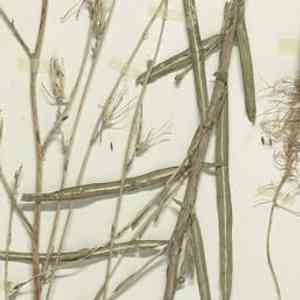
For willowleaf lettuce, the ideal period for relocation is from the comfortable warmth of late spring through mid-summer, fostering vigorous development. Select a brightly lit spot with soil that drains effectively, facilitating root integration without detailing the process here.
What Preparations are Needed Before Transplanting Willowleaf Lettuce?
What is the Ideal Time for Transplanting Willowleaf Lettuce?
The optimal period for relocating willowleaf lettuce spans from the peak of spring warmth through mid-summer. Moving willowleaf lettuce during this timeframe capitalizes on the gradual temperature increase, allowing the delicate root systems to acclimate smoothly to their new surroundings. Shifting willowleaf lettuce within this window promotes robust growth, as the strengthening sun provides ample light, invigorating willowleaf lettuce's development. This timing also benefits from longer days, enabling willowleaf lettuce to photosynthesize efficiently and establish firmly before the intense summer heat.
How Much Space Should You Leave Between Willowleaf Lettuce Plants?
When arranging your willowleaf lettuce, remember that each small plant requires its own area to thrive. Aim to provide them with ample room, approximately 10-12 inches (25-30 cm) between each one. This ensures they can grow large and healthy without competing for essential resources!
What is the Best Soil Mix for Willowleaf Lettuce Transplanting?
To create an inviting environment for your willowleaf lettuce, prepare a soil mixture that drains well and is rich in organic matter â consider compost or aged manure. Before planting, spread a balanced fertilizer across the soil to give your willowleaf lettuce a strong start. They will reward you with abundant foliage!
Where Should You Relocate Your Willowleaf Lettuce?
Your willowleaf lettuce thrives in bright sunlight! Select a garden spot that receives full sun, as these leafy greens flourish with at least 6-8 hours of direct sunlight daily. If you reside in a very hot climate, some afternoon shade will be beneficial.
What Equipments Should You Prepare Before Transplantation Willowleaf Lettuce?
Gardening Gloves
To safeguard your hands while handling soil and willowleaf lettuce.
Trowel or Shovel
For excavating holes and lifting the plant from its current spot.
Watering Can or Hose
To hydrate the willowleaf lettuce before and after its relocation.
Wheelbarrow or Garden Cart
To move the willowleaf lettuce and soil if necessary.
Garden Fork
To loosen the soil around willowleaf lettuce when extracting it from its original position.
Pruning Shears
To trim any damaged roots or leaves prior to transplanting.
How Do You Remove Willowleaf Lettuce from the Soil?
How Do You Remove Willowleaf Lettuce from the Soil?
From Ground: Hydrate the willowleaf lettuce plant to moisten the soil. Use a garden fork to gently loosen the soil surrounding the willowleaf lettuce, being careful not to disturb the roots. Dig a trench around the plant with a shovel, wide enough to encompass the entire root ball. Slide the shovel beneath the root ball and carefully lift the willowleaf lettuce from the ground.From Pot: Start by watering the willowleaf lettuce to ensure the soil is damp. Turn the pot on its side and gently tap the edges to loosen the root ball. Support the willowleaf lettuce with one hand and use the other to carefully pull the pot away from the roots. If the willowleaf lettuce is stuck, you can roll the pot on its side to further loosen the soil and root ball.From Seedling Tray: Water the seedlings to ensure the soil is moist. Use a trowel or similar tool to carefully scoop out individual willowleaf lettuce seedlings. Be gentle to avoid damaging the delicate roots and stems of the willowleaf lettuce.
Step-by-Step Guide for Transplanting Willowleaf Lettuce
Preparation
Gather all the listed tools and ensure you have sufficient water available for the process.
Digging the Hole
Using your trowel or shovel, excavate a hole in the ground that is twice the width of the root ball and of the same depth to ensure the willowleaf lettuce is positioned at its original level.
Plant Removal
Follow the extraction method specific to whether your willowleaf lettuce is being moved from the ground, a pot, or a seedling tray.
Root Pruning
Inspect the root ball of willowleaf lettuce and use pruning shears to trim away any damaged or excessively long roots.
Planting
Position willowleaf lettuce in the center of the hole. Gently spread out the roots and backfill the hole with soil while keeping the plant upright. Firm the soil around the base of the willowleaf lettuce but avoid over-compacting it.
Watering
After planting, thoroughly water the willowleaf lettuce to settle the soil around the roots and eliminate any air pockets.
How Do You Care For Willowleaf Lettuce After Transplanting?
Staking
If willowleaf lettuce appears unstable, use a stake to support the plant until it develops strong roots.
Mulching
Apply a layer of organic mulch around the base of willowleaf lettuce to help retain soil moisture and suppress weeds.
First Weeks
Closely observe the willowleaf lettuce for the initial few weeks, keeping the soil moist to encourage root growth, but be careful not to overwater.
Monitoring
Regularly check willowleaf lettuce for signs of distress, such as wilting or discolored leaves, which could indicate issues with root establishment or disease.
Adaptation
Allow willowleaf lettuce some time to adjust to its new location before applying any stressors like pruning or pest control treatments.
Troubleshooting Common Issues with Willowleaf Lettuce Transplantation.
When is the best time to transplant willowleaf lettuce?
Relocate willowleaf lettuce during its peak growth period from late spring through mid-summer.
What's the ideal distance apart for willowleaf lettuce plants?
Space willowleaf lettuce plants approximately 10-12 inches (25-30 cm) apart to ensure adequate room for growth.
Why are my willowleaf lettuce transplants wilting after planting?
Wilting can be caused by transplant shock or insufficient hydration. Gradually acclimate plants and maintain moist soil.
How much sunlight do willowleaf lettuce transplants need?
Place willowleaf lettuce in an area with full sun to partial shade for optimal development.
Should I fertilize willowleaf lettuce right after transplanting?
Wait a few weeks before applying a balanced fertilizer, allowing willowleaf lettuce to settle into its new environment first.
How do I prepare the soil for willowleaf lettuce transplants?
Enrich soil with compost or well-rotted manure, ensuring it is well-drained and fertile before planting willowleaf lettuce.
Can I transplant willowleaf lettuce during a hot day?
Choose a cooler part of the day, such as early morning or late afternoon, to minimize transplant stress.
What's the correct depth for planting willowleaf lettuce transplants?
Dig a hole as deep as the root ball and twice as wide; this allows roots to spread properly.
How often should I water willowleaf lettuce after transplanting?
Keep the soil consistently moist without becoming waterlogged. Water deeply once a week, depending on weather conditions.
Why are my willowleaf lettuce plants not growing after transplant?
Check for root-bound plants, compacted soil, or inadequate light/water. Adjust care as needed for recovery.



