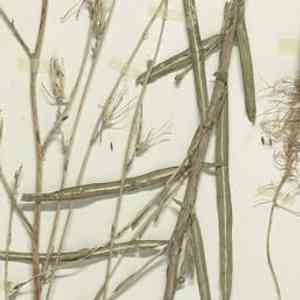
Willowleaf lettuce (Lactuca saligna)
Also known as: Wild lettuce
Willowleaf lettuce, an annual plant with small pale yellow flowers, has been introduced to many parts of North America from Eurasia. It typically grows in wastelands and near water sources like rivers and streams.
In This Article
Attributes of Willowleaf lettuce
Lifespan
Annual, Biennial
Plant Type
Herb
Plant Height
51 cm to 1.02 m
Spread
30 cm
Leaf Color
Green
Flower Size
4 cm
Flower Color
White Yellow
Images of Willowleaf lettuce
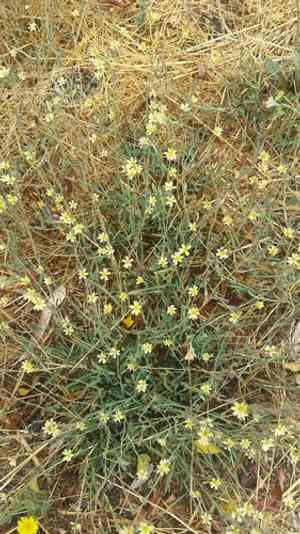
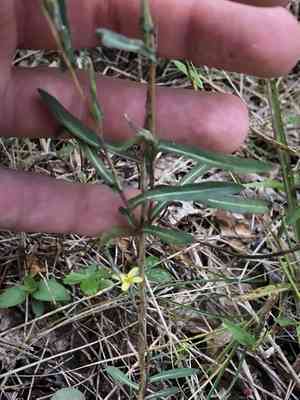
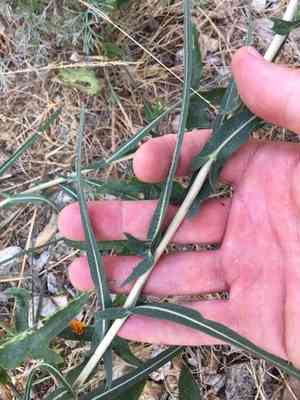
Quickly Identify Willowleaf lettuce
1
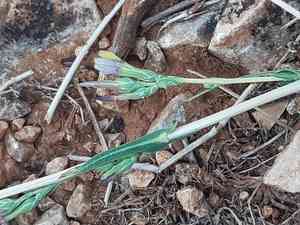
Lactuca saligna can be identified by its narrow, linear leaves that resemble those of a willow tree. The plant often grows up to 1 meter in height and produces small yellow flowers arranged in loose clusters.
Scientific Classification of Willowleaf lettuce
Phylum
Vascular plants
Class
Dicotyledons
Order
Asterales
Family
Daisy
Genus
Lactuca
Species
Willowleaf lettuce
Planting and Growing of Willowleaf lettuce
Care Difficulty
Easy
Watering Schedule
Every 4 days
Sunlight Requirements
Full sun
Sunshine Duration
6-12 hours
Ideal Temperature
60-75℉
Soil Type
Potting Mix, Peat Mix
Soil pH
6.5-7.5
Fertilizer Type
Balanced
Pruning Season
Spring, Summer
Pruning Area
Branches, Leaves
Pruning Frequency
2 times a year
Repotting Season
Spring
Pot Type
Plastic, Ceramic
 How to Water Willowleaf lettuce?
Lactuca saligna requires sufficient hydration to thrive. Water once every week, ensuring each time you provide approximately 500 ml. Aim to moisten the soil deeply, but avoid leaving the roots waterlogged. The principle is to let the topsoil dry slightly between waterings, ensuring a balance that supports healthy growth.
What are the symptoms of an underwatered Willowleaf lettuce?
›
What should I do if my Willowleaf lettuce is not getting enough water?
›
What are the symptoms of an overwatered Willowleaf lettuce?
›
How to save an overwatered Willowleaf lettuce?
›
 What Are the Sunlight Requirements for Willowleaf lettuce?
Lactuca saligna grows best in full sun conditions. Consistent exposure to full sun enhances its photosynthetic ability, resulting in lush and robust growth, essential for maximizing leaf production and health.
More About Sunlight Requirements Techniques→
How much light does it need?
›
What are the solutions for optimal lighting?
›
What benefits come with ideal lighting?
›
 What Is the Ideal Temperature Range for Willowleaf lettuce?
The ideal temperature range for growing Lactuca saligna is between 60°F to 75°F. This temperature range is perfect as it allows the plant to photosynthesize efficiently while minimizing stress and susceptibility to diseases. Keeping the temperature within this range assures healthy growth and maximizes leaf development.
 What Soil is Best for Willowleaf lettuce?
Lactuca saligna thrives in well-drained soil which prevents waterlogging and root rot. Efficient drainage allows for better root oxygenation, boosting the plant's vitality and growth. This plant requires moderately fertile soil, which provides essential nutrients without overwhelming the root system. Optimal fertility supports healthy leaf development and overall plant vigor. Adequate moisture retention is crucial, as it ensures consistent water availability. A balanced moisture level prevents drought stress while promoting steady growth and resilience.
 How to Fertilize Willowleaf lettuce?
Lactuca saligna thrives best with balanced nourishment. For liquid fertilizers, dilute to a quarter of the recommended strength on the label and apply one to two tablespoons per plant. Avoid a heavy dose, as the plant is light-feeding.
 How to Prune Willowleaf lettuce?
Begin by identifying the older, weaker stems which might be showing signs of yellowing or decay. Use clean, sharp pruning shears to trim these stems back to the base. Make sure each cut is clean to prevent infection. Remove any overcrowded or crossing branches to allow sunlight to penetrate the inner foliage. This promotes healthier growth and improves the overall shape of Lactuca saligna. To shape the plant, focus on maintaining a rounded form. Trim back any stems that protrude awkwardly or look unsightly. This should be done gradually to preserve the natural curve. Always step back to evaluate the plant's shape as you prune, ensuring it remains balanced and symmetrical. By doing so, you make the plant more visually appealing and allow for even light distribution.
More About Pruning Techniques→
 How to Propagate Willowleaf lettuce plant?
1
Choose healthy, viable seeds from a reputable source to ensure good germination rates. Check for any discolorations or damages, and select the largest seeds as they are often the most viable for propagation.
2
Plant the seeds in a well-draining, nutrient-rich soil mix. Sow them at a shallow depth, typically around twice the diameter of the seed. Maintain consistent moisture levels for optimal germination conditions.
3
Cut a healthy stem from the plant, ideally with multiple leaf nodes. Remove any excess leaves to reduce transpiration and enhance root development. Dip the cut end in a rooting hormone to encourage faster root growth.
 How to Repot Willowleaf lettuce plant?
1
Look for signs such as roots growing out of the drainage holes, soil drying out quickly after watering, or overall stunted growth. These indicate it's time to repot Lactuca saligna. It's best done in spring or autumn when the plant is not under the stress of extreme temperatures.
2
Choose a pot that is one to two inches larger in diameter than the current pot. This allows for root growth without overwhelming the plant with excess soil. A pot with drainage holes is crucial to prevent root rot and ensure water does not collect at the bottom.
3
Use a well-draining potting mix, ideally one designed for herbs or leafy greens. This type of soil retains enough moisture for the plant's needs while allowing excess water to drain away, preventing root rot and promoting healthy growth.
Toxicity
Ingestion
WARNING
The judgment on toxicity and danger is for reference only. We DO NOT GUARANTEE any accuracy of such judgment. Therefore, you SHALL NOT rely on such judgment. It is IMPORTANT TO SEEK PROFESSIONAL ADVICE in advance when necessary.
Learn More About Willowleaf lettuce Diseases
Anthracnose
Bacterial Leaf Spot
Bacterial Soft Rot
Bacterial Wilt
Chemical Injury
Damping-off
Downy Mildew
Drought Stress
Fusarium Wilt
Gray Mold
Leaf Spot
Mosaic
Nutrient Deficiency
Nutrient Toxicity
Powdery Mildew
Root Rot
Root-knot Nematode
Rusts
Sooty Mold
Spider Mites
Temperature Stress
Thrips Damage
White Mold



