The Willowleaf lettuce Plant Advantage: Maximizing Home and Office Appeal and Wellness
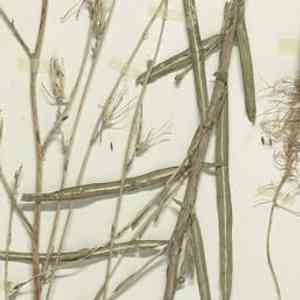
1
Willowleaf lettuce exhibits remarkable resilience to arid environments.
2
This botanical specimen draws in helpful insects, thereby enhancing garden ecological variety.
3
The foliage of willowleaf lettuce is palatable and makes a delightful inclusion in salads and various culinary preparations.
Why Willowleaf Lettuce is an Excellent Garden Addition
Resilience to Dry Spells
Willowleaf lettuce is notable for its impressive capacity to flourish in arid conditions. Its extensive root system enables efficient water uptake, ensuring the plant remains vigorous even during dry periods. This makes it an ideal selection for gardeners in dry regions or those aiming to conserve water.
Attracts Beneficial Insects
A key advantage of Willowleaf lettuce is its ability to draw in helpful insects. These insects aid in pollination and assist in controlling pest populations, fostering a healthier garden ecosystem. By providing a habitat for these insects, gardeners can lessen their reliance on chemical pesticides.
How Willowleaf Lettuce Boosts Garden Biodiversity
Supports Pollinators
The blooms of Willowleaf lettuce are highly attractive to pollinators like bees and butterflies. These pollinators are vital for the reproduction of many flowering plants, thereby supporting the overall health and variety of your garden. By cultivating Willowleaf lettuce, you can create a more vibrant and active garden space.
Enhances Soil Quality
Willowleaf lettuce's deep roots help aerate the soil and improve its structure. This aeration promotes the growth of beneficial microorganisms, which in turn boost soil fertility. Furthermore, the plant's leaves can be composted, returning organic matter to the soil and further enriching it.
What Are the Culinary Advantages of Willowleaf Lettuce?
Edible Foliage
The leaves of Willowleaf lettuce are edible and offer a distinct, slightly bitter taste that can add depth to salads and other dishes. They are a nutritious addition to your diet, supplying essential vitamins and minerals. Incorporating Willowleaf lettuce leaves into your meals can introduce new flavors while also enhancing nutritional content.
Versatile Culinary Use
Willowleaf lettuce leaves can be utilized in various cooking applications. Whether you prefer them fresh in salads, stir-fried as a side, or blended into smoothies, there are numerous ways to enjoy this plant. Its adaptability makes it a valuable culinary asset in any home garden.
Cultivating and Caring for Willowleaf Lettuce
Planting Guidelines
When planting Willowleaf lettuce, select well-draining soil and a location that receives full to partial sunlight. Start seeds indoors a few weeks before the last expected frost, then transplant seedlings into the garden. Alternatively, direct sowing in the garden after the risk of frost has passed is also an option.
Ongoing Care
Willowleaf lettuce is relatively low-maintenance, requiring minimal attention once established. Water the plants moderately, ensuring the soil remains moist but not waterlogged. Regularly remove any weeds that might compete with Willowleaf lettuce for nutrients and space. Additionally, monitor for any pests or diseases, though Willowleaf lettuce is generally hardy.



