How to Transplant Boykin's clusterpea?
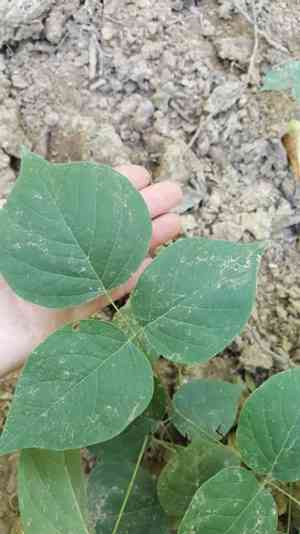
The optimal window for transplanting boykin's clusterpea spans from early spring through the vibrant warmth of late spring, facilitating vigorous development. Select a location offering full sun to partial shade, featuring soil that drains effectively. Bear in mind that minimizing root disruption aids in successful integration.
What Preparations are Needed Before Transplanting Boykin's Clusterpea?
What is the Ideal Time for Transplanting Boykin's Clusterpea?
Boykin's clusterpea is best moved from early to late spring when the ground is workable and temperatures are mild. This timing allows the plant to establish its root system before the intense summer heat. Advantages include improved root development, better adaptation to its new environment, and a strong start to the growing season.
How Much Space Should You Leave Between Boykin's Clusterpea Plants?
When transplanting boykin's clusterpea, aim for a spacing of 18-24 inches (45-60 cm) between plants. This provides ample room for growth and ensures good air circulation, which is vital for plant health.
What is the Best Soil Mix for Boykin's Clusterpea Transplanting?
Prepare well-draining soil, combining sand and loamy soil for boykin's clusterpea. Incorporate a phosphorus-rich base fertilizer to encourage root growth. Compost or a balanced 10-10-10 fertilizer works optimally.
Where Should You Relocate Your Boykin's Clusterpea?
Select a site that receives full sun to partial shade for transplanting boykin's clusterpea. Ensure the location gets at least 6 hours of daily sunlight, which helps the plant flourish and bloom.
What Equipments Should You Prepare Before Transplantation Boykin's Clusterpea?
Gardening Gloves
To safeguard your hands while handling soil and plants.
Trowel
For digging small holes and working around delicate root systems.
Shovel or Spade
To efficiently dig larger holes and trenches.
Wheelbarrow
For moving soil, mulch, or the plant itself.
Pruners
To trim any damaged or dead roots during the transplanting process.
Watering Can or Hose
For keeping the plant and soil hydrated throughout the procedure.
Mulch
To help maintain soil moisture and regulate temperature after transplanting.
Stakes and Ties
For supporting the plant if necessary, especially if it's tall or top-heavy.
How Do You Remove Boykin's Clusterpea from the Soil?
How Do You Remove Boykin's Clusterpea from the Soil?
From Ground: First, water the boykin's clusterpea plant to moisten the soil. Next, dig a wide trench around the plant using a shovel or spade, ensuring the plant's root ball remains intact. Carefully work the spade beneath the root ball to lift the plant from its original spot.From Pot: Gently tap the pot's sides to loosen the soil. Turn the pot on its side and carefully slide the boykin's clusterpea plant out. If the plant is stuck, use a trowel to gently loosen the edges. Ensure the root ball is intact before proceeding.From Seedling Tray: Use a trowel or spoon to gently lift each boykin's clusterpea seedling from the tray. Hold the seedling by its leaves, not the fragile stem, to prevent damage. Ensure sufficient soil remains around the roots for stability.
Step-by-Step Guide for Transplanting Boykin's Clusterpea
Preparing the Site
Clear the area of any weeds or debris. Dig a hole twice the width and the same depth as the boykin's clusterpea root ball.
Examining the Roots
Before placing it in the hole, inspect the roots. Trim any damaged or excessively long roots using pruners.
Planting
Place the boykin's clusterpea in the prepared hole. Ensure that the top of the root ball is level with the surrounding soil. Fill the hole with soil, gently pressing it down to remove air pockets.
Watering
Water the boykin's clusterpea thoroughly after planting to settle the soil and hydrate the root system. Make sure the water penetrates deep into the root zone.
Staking and Supporting
If needed, use stakes and ties to support the boykin's clusterpea until it is well-established. Ensure that ties are loose enough to allow for natural growth.
Mulching
Apply a layer of mulch around the base of the boykin's clusterpea to retain moisture and regulate soil temperature.
How Do You Care For Boykin's Clusterpea After Transplanting?
Watering
Keep the soil around the boykin's clusterpea consistently moist, but not waterlogged, for the initial few weeks after transplanting to help establish strong roots.
Monitoring
Regularly check the boykin's clusterpea for signs of transplant shock, such as wilting or yellowing leaves, and address any issues promptly.
Pruning
Remove any dead or damaged leaves or stems to allow the boykin's clusterpea to direct energy towards new growth.
Feeding
After the first few weeks, begin a routine feeding schedule using a balanced fertilizer suitable for perennial plants.
Troubleshooting Common Issues with Boykin's Clusterpea Transplantation.
When is the best time to transplant boykin's clusterpea?
The optimal period to transplant boykin's clusterpea is from early spring to late spring.
What is the recommended spacing for boykin's clusterpea?
Boykin's clusterpea should be spaced 18-24 inches (45-60 cm) apart for ideal growth.
How to prepare soil for boykin's clusterpea transplanting?
Ensure well-draining soil enriched with compost. The pH should be slightly acidic to neutral.
What should I do if the roots seem tightly bound?
Gently separate the root ball to encourage new root growth in the soil.
How deep should I plant boykin's clusterpea during transplanting?
Plant boykin's clusterpea at the same depth it was growing in the nursery pot.
How to water boykin's clusterpea after transplanting?
Water thoroughly after transplanting, ensuring the soil is moist but not waterlogged.
How to handle boykin's clusterpea if transplanting on a hot day?
Transplant during cooler morning or evening hours, and provide shade until acclimatized.
What is the best way to remove boykin's clusterpea from the pot?
Gently tap the pot, loosen the soil, and carefully slide out the plant by its base.
How to mitigate transplant shock for boykin's clusterpea?
Water adequately, avoid excessive sun, and use a root stimulator to encourage growth.
How can I ensure boykin's clusterpea establishes well after transplanting?
Consistent watering and mulching will help retain moisture and protect the roots on hot days.



