How to Prune Boykin's clusterpea?
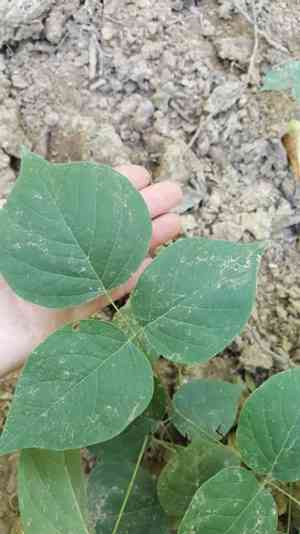
Boykin's clusterpea, a perennial leguminous plant, is recognized for its grouped pink blossoms and feather-like leaflets. Trimming is best performed in late winter or early spring, right before the plant's growth cycle recommences. Eliminate any deceased or compromised stalks to foster robust growth and adequate air movement. Gentle thinning aids in preserving an attractive form and stimulates abundant flowering. This well-timed trimming enhances the plant's general health and boosts flower yield, guaranteeing its decorative charm throughout its cultivation period.
What Are the Benefits of Pruning Boykin's Clusterpea?
What Are the Benefits of Pruning Boykin's Clusterpea?
Trimming boykin's clusterpea promotes robust development and maintains its compact shape. Regular cutting aids in stimulating fresh, healthy branches and leaves, while also managing the plant's size for visual appeal and space efficiency.
What Is the Best Time for Pruning Boykin's Clusterpea?
What Is the Best Time for Pruning Boykin's Clusterpea?
Late winter and early spring are optimal for pruning boykin's clusterpea as the plant is typically dormant then. Pruning during this period minimizes stress on boykin's clusterpea, allowing for healthier regrowth in spring. Additionally, removing dead or overgrown branches before new growth ensures energy is directed towards developing new, healthy shoots rather than sustaining old or damaged wood. This timing also helps prevent diseases, which are more likely to attack fresh cuts in warmer, humid conditions. Thus, late winter or early spring pruning prepares boykin's clusterpea for vigorous growth and flowering in the upcoming season.
What Tools Do I Need to Prune Boykin's Clusterpea?
Hand Pruners
Perfect for making precise cuts on boykin's clusterpea, facilitating the removal of unhealthy or unwanted branches. Hand pruners offer the necessary control to manage delicate stems without harming the rest of the plant.
Pruning Shears
Useful for shaping boykin's clusterpea by trimming back excess growth and maintaining its dense, clustered look. Sharp blades ensure clean cuts that encourage healthy regrowth.
Lopping Shears
Recommended for cutting through thicker stems or branches of boykin's clusterpea that hand pruners cannot comfortably handle. Loppers provide extra reach and leverage, making it easier to prune denser areas without strain.
How to Prune Boykin's Clusterpea
Sanitize
Before starting the pruning process for boykin's clusterpea, ensure all tools are clean and sanitized. Use a solution of one part bleach to nine parts water to disinfect pruning shears, preventing disease spread.
Identify
Carefully inspect boykin's clusterpea to locate diseased or withered leaves. Look for leaves that appear discolored, spotted, or are visibly deteriorating compared to the plant's healthy parts.
Cut
Using sanitized shears, precisely cut diseased and withered leaves at their base where they meet the stem or branch. Make clean cuts close to the stem to avoid leaving stubs that could attract pests or diseases.
Dispose
Promptly discard all removed leaves from boykin's clusterpea to prevent any potential disease from spreading in the garden. Do not compost diseased or withered leaves; instead, place them in plastic bags and dispose of them with household waste.
Monitor
After pruning, continue to regularly observe boykin's clusterpea for any further signs of disease or wilting. Early detection and prompt removal of affected parts are crucial for maintaining the plant's health and appearance.
Common Pruning Mistakes with Boykin's Clusterpea
Overpruning
Beginner gardeners often remove too much foliage from boykin's clusterpea, which can significantly weaken it. It's vital not to prune more than one-third of the plant at once to avoid stressing it.
Improper cut locations
Cuts made too far from a bud or node can result in unsightly dead stubs that may invite pests and disease. Conversely, cutting too close can damage the bud, hindering new growth.
Using dull tools
Dull pruning tools can damage boykin's clusterpea branches, leading to jagged cuts that heal poorly. Always use sharp, clean pruning shears for clean cuts.
Neglecting sanitation
Failing to sanitize pruning tools between cuts and plants can spread disease. This is especially important when pruning boykin's clusterpea to prevent pathogen transmission.
Common Pruning Tips for Boykin's Clusterpea
Timing within season
Avoid heavy pruning during active growth periods. Focus on maintenance pruning to shape boykin's clusterpea and remove any dead or diseased wood.
Targeted cutting
Make cuts at a 45-degree angle about 1/4 inch above an outward-facing bud. This encourages outward growth, improving light penetration and air circulation.
Selective pruning
For boykin's clusterpea, selective pruning is more beneficial than uniform trimming. Remove specific branches to thin out overgrown areas, enhancing the plant's structure and appearance without over-pruning.
Post-pruning care
After pruning boykin's clusterpea, ensure it receives adequate water and nutrients to recover from the stress. This supports healthy regrowth and flowering in the following season.



