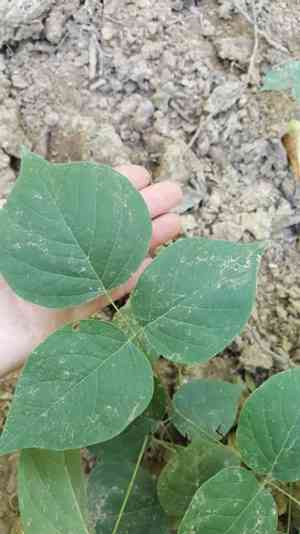
Boykin's clusterpea (Lackeya multiflora)
Also known as: None
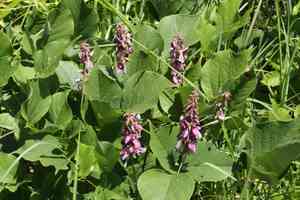
Boykin's clusterpea (Thermopsis villosa) is notable for its lush clusters of bright flowers that add a vibrant touch to any landscape. This robust perennial flourishes in sunny to partially shaded areas and is adaptable to different soil types, from sandy to loamy. Its hardy nature enables it to thrive even in less-than-ideal conditions. This plant not only enhances the visual appeal of its surroundings but also plays a crucial role in supporting local pollinators.
In This Article
Attributes of Boykin's clusterpea
Lifespan
Perennial
Plant Type
Vine
Plant Height
1-2 meters
Spread
Not specifically known
Leaf Color
Green
Flower Size
Approximately 1-2 cm
Flower Color
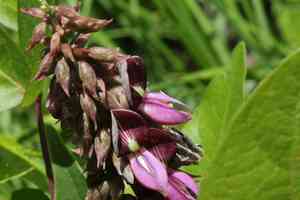
Pink to purple
Images of Boykin's clusterpea
Quickly Identify Boykin's clusterpea
1
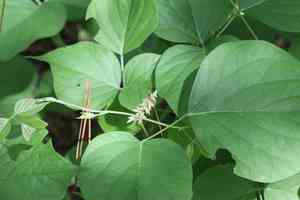
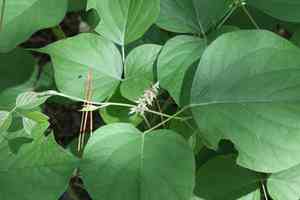
This plant can be identified by its characteristic clusters of flowers and dense foliage with trifoliate leaves.
Scientific Classification of Boykin's clusterpea
Phylum
Vascular plants
Class
Dicotyledons
Order
Fabales
Family
Legume
Genus
Lackeya
Species
Boykin's clusterpea
Planting and Growing of Boykin's clusterpea
Care Difficulty
Hard
Watering Schedule
Every 2 days
Sunlight Requirements
Full sun
Sunshine Duration
4-8 hours
Ideal Temperature
60-75℉
Soil Type
Potting Mix, Peat Mix
Soil pH
6.5-7.5
Fertilizer Type
Balanced
Pruning Season
Spring, Summer
Pruning Area
Branches, Leaves
Pruning Frequency
2 times a year
Repotting Season
Spring
Pot Type
Plastic, Ceramic
 How to Water Boykin's clusterpea?
When watering Lackeya multiflora, ensure that you are providing around 250 milliliters per session. The goal is to keep the soil consistently moist, but not too soggy. The water should be enough to penetrate the root zone thoroughly, yet not pool excessively at the bottom of the pot, which could lead to root rot.
What are the symptoms of an underwatered Boykin's clusterpea?
›
What should I do if my Boykin's clusterpea is not getting enough water?
›
What are the symptoms of an overwatered Boykin's clusterpea?
›
How to save an overwatered Boykin's clusterpea?
›
 What Are the Sunlight Requirements for Boykin's clusterpea?
Lackeya multiflora ideally requires half to full day of sunlight. This encourages lush growth and vibrant flowers while maintaining its overall health by fostering robust, energy-efficient photosynthesis.
What's the best lighting condition?
›
How to achieve ideal lighting?
›
What's the effect of ideal lighting?
›
 What Is the Ideal Temperature Range for Boykin's clusterpea?
The ideal temperature range for growing Lackeya multiflora is between 60°F and 75°F. Within this interval, the plant is able to carry out photosynthesis efficiently and maintain its metabolic functions in an optimal manner. This temperature supports healthy growth, ensuring that the plant thrives and flourishes.
 What Soil is Best for Boykin's clusterpea?
Lackeya multiflora thrives in well-draining soil that prevents waterlogging, which can cause root rot. Good drainage ensures that excess water does not accumulate, providing the roots with necessary oxygen and promoting healthy plant growth. This plant benefits from soil rich in organic matter. A nutrient-rich environment enhances the plant's growth and flowering by supplying essential minerals and nutrients, leading to vibrant and robust foliage. While good drainage is essential, the soil should also retain some moisture. This balance ensures that the plant has access to water during dry spells without the risk of drought stress.
 How to Fertilize Boykin's clusterpea?
Lackeya multiflora thrives best with a balanced feeding schedule. For liquid fertilizers, apply at half the recommended strength to avoid nutrient burn, especially during the growing season. Solid fertilizers should be applied sparingly, in amounts suitable for the plant's size and health, ensuring not to overwhelm the root system.
 How to Prune Boykin's clusterpea?
Ensure that you have clean, sharp pruning shears or loppers for cutting branches. This prevents unnecessary damage to the plant, reducing the risk of infection and promoting quicker healing of cuts. Look for dead, damaged, or crossing branches that could hinder growth. Begin by cutting back these unwanted stems, as this will help the plant to focus its energy on healthy growth and new blooms. Make your cuts at a 45-degree angle about 1/4 inch above a healthy bud or lateral branch. This technique prevents water accumulation on the cut surface, reducing the risk of rot or disease entry. After pruning, water the plant thoroughly and apply a layer of organic mulch. This helps retain soil moisture and suppresses weeds while providing organic nutrients as the mulch breaks down.
More About Pruning Techniques→
 How to Propagate Boykin's clusterpea plant?
1
Before planting seeds or cuttings, prepare the soil by ensuring it is loose and well-drained. A mix of potting soil and sand or perlite will improve aeration.
2
Place the seeds in the seed tray, cover them lightly with soil, and mist them with water. Maintain a consistent moisture level until germination.
3
Use pruning shears to take 4-6 inch stem cuttings from a healthy plant. Remove leaves from the lower half and dip the cut end in rooting hormone before planting.
 How to Repot Boykin's clusterpea plant?
1
Lackeya multiflora should be repotted when its roots begin to crowd the pot or grow out from the drainage holes. This indicates that the plant needs more room for growth. Observing slower growth and quick drying soil are also indicators for repotting.
2
Select a pot that is 2-3 inches larger in diameter than the current one to give roots adequate room to expand. Ensure the pot has sufficient drainage holes to prevent waterlogging, which can lead to root rot and other issues.
3
Opt for well-draining, loamy soil enriched with organic matter to enhance nutrient availability. This type of soil retains moisture without becoming waterlogged, which supports healthy root development and plant growth.
Learn More About Boykin's clusterpea Diseases
Anthracnose
Bacterial Leaf Spot
Bacterial Soft Rot
Bacterial Wilt
Black Spot
Chemical Injury
Crown Gall
Cyst Nematode
Damping-off
Downy Mildew
Drought Stress
Fusarium Wilt
Gray Mold
Leaf Curl
Leaf Spot
Mosaic
Nutrient Deficiency
Nutrient Toxicity
Powdery Mildew
Root Rot
Root-knot Nematode
Rusts
Sooty Mold
Spider Mites
Temperature Stress
Thrips Damage
White Mold



