How to Transplant White tea-tree?
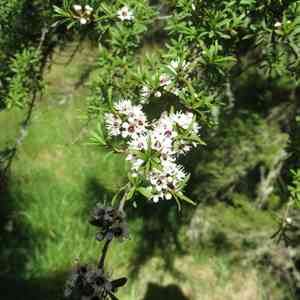
Leptospermum scoparium thrives when relocated in the mild season, specifically from the beginning to the end of spring, benefiting from moderate warmth. Select a bright, protected spot featuring soil that drains effectively. Guarantee minimal disruption to the root system for successful integration.
What Preparations are Necessary Before Relocating White Tea-tree?
What is the Optimal Period for Moving White Tea-tree?
Relocating white tea-tree between early and late spring allows the plant to benefit from mild temperatures and increased daylight. This timing enables white tea-tree to establish its root system before the intense summer heat, promoting vigorous growth and improved overall health.
How Much Clearance Should You Provide Between White Tea-tree Plants?
For white tea-tree, aim to position plants 5-6.5 feet (1.5-2 meters) apart. This spacing ensures each plant has ample room to develop and flourish without competing with its neighbors.
What is the Best Soil Mixture for White Tea-tree Relocation?
For moving white tea-tree, select well-draining soil types such as sandy or loamy. Prior to planting, enrich the soil with a balanced fertilizer, like 10-10-10, to supply essential nutrients.
Where Should You Replant Your White Tea-tree?
Choose a sunny location for white tea-tree, where the plant will receive full sun for at least 6 hours daily. Sufficient sunlight is vital for healthy development and flowering.
What Tools Should You Prepare Before Moving White Tea-tree?
Gardening Gloves
To safeguard your hands while working with the soil and plant material.
Shovel or Spade
To excavate around the plant and create a new planting site.
Garden Fork
To loosen the soil surrounding the plant.
Wheelbarrow
To safely transport the plant from its original spot to the new location.
Pruners
To trim any damaged roots or branches.
Watering Can or Hose
For hydrating the plant before and after its relocation.
How Do You Extract White Tea-tree from the Ground?
How Do You Extract White Tea-tree from the Ground?
From Ground: First, irrigate the white tea-tree plant to moisten the soil. Then, dig a wide trench around the plant using a shovel or spade, ensuring the plant's root ball remains intact. Carefully work the spade beneath the root ball to lift the plant from its initial position.From Pot: Water the white tea-tree plant to dampen the soil. Gently invert the pot and tap the bottom to dislodge the plant. Support the plant with your hand and slide it out of the container. If the plant is root-bound, carefully untangle the roots.From Seedling Tray: Water the white tea-tree seedlings to facilitate their removal. Use a small garden fork or spoon to gently lift the seedlings, making sure to keep their roots and the surrounding soil undisturbed.
Step-by-Step Guide for Relocating White Tea-tree
Prepare The New Site
Dig a hole at the new location that is twice as wide and the same depth as the white tea-tree's root ball.
Incorporate Organic Material
If the soil quality is poor, mix in some compost or organic matter to enhance its structure.
Move The Plant
Carefully transfer the white tea-tree to the new site, using a wheelbarrow if needed. Position the plant in the hole, ensuring it sits at the same depth as it was in its previous spot.
Backfill The Hole
Fill the hole with soil, gently pressing it down to remove air pockets. Be sure to water the soil as you fill to help it settle.
Mulch
Apply a layer of mulch around the base of the white tea-tree to retain moisture and inhibit weed growth.
How Do You Care For White Tea-tree After Relocation?
Watering
Keep the soil around the white tea-tree consistently moist, but not waterlogged, for the initial weeks after transplanting to aid in establishing strong roots.
Mulching
Ensure the mulch layer is maintained to help preserve soil moisture and regulate soil temperature.
Monitoring
Observe the white tea-tree for indications of transplant shock such as wilting or yellowing leaves, and provide additional water if necessary.
Pruning
Remove any damaged or dead branches to help the plant direct its energy towards root establishment.
Troubleshooting Common Issues with White Tea-tree Relocation.
When is the optimal time to move white tea-tree?
The best time to relocate white tea-tree is from early spring to late spring for peak results.
How should I prepare the new planting location?
Ensure the site has well-draining soil and ample sunlight, and space the plants 1.5-2 meters apart.
How deep should I excavate the hole for moving white tea-tree?
Dig a hole twice the width and the same depth as the root ball, approximately 12 inches (30 cm).
How do I prevent transplant shock in white tea-tree?
Water the plants thoroughly before and after relocation. Avoid direct sunlight for the first week.
What type of soil is ideal for white tea-tree?
White tea-tree thrives in well-draining, slightly acidic to neutral soil after being moved.
How often should I water relocated white tea-tree?
Water deeply once a week, ensuring the soil remains moist but not saturated.
Should I fertilize white tea-tree after relocation?
Use a balanced fertilizer at half-strength two weeks after transplanting to support new growth.
How do I handle the root ball when moving white tea-tree?
Handle the root ball gently to prevent damage. Keep the roots intact and undisturbed.
What should I do if the leaves turn yellow after relocation?
Yellow leaves might indicate excessive watering or root damage. Adjust irrigation and check root health.
Why is my relocated white tea-tree not thriving?
Check for improper spacing, insufficient sunlight, poor soil quality, or pest problems. Adjust care as needed.



