How to Propagate White tea-tree?
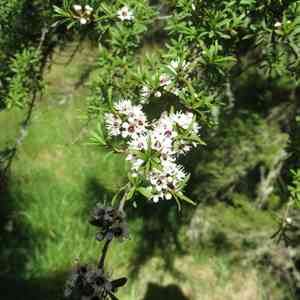
Leptospermum scoparium, a resilient shrub commonly found in diverse environments, flourishes when reproduced via cuttings. To ensure peak development, cuttings ought to be robust, harvested from strong stems, and treated with a rooting stimulant for superior outcomes. Insert cuttings into adequately draining substrate, combined with consistent hydration and dappled light, to foster successful root formation and establishment.
Optimal Time for White Tea-tree Propagation
Propagation Method
Cutting
Propagation Period
Autumn,Winter
Tools for White Tea-tree Propagation
Sharp Pruning Shears
These are vital for obtaining clean, precise cuttings from white tea-tree. Sharp blades minimize damage to the parent plant and boost cutting survival by preventing tissue crushing.
Rooting Hormone
This chemical compound is applied to white tea-tree cuttings to stimulate root growth and improve propagation success. Rooting hormones accelerate root formation, significantly enhancing the success rate, especially for woody species like white tea-tree.
Sterile Potting Mix
Employing a sterile potting mix for white tea-tree cuttings prevents the introduction of disease-causing pathogens, which could lead to propagation failure. Sterile mediums support healthier initial growth by offering a pest and disease-free environment.
Misting Bottle
A misting bottle is essential for maintaining the moisture levels of white tea-tree cuttings. Adequate humidity is critical during the initial stages of root development. Misting keeps cuttings hydrated without over-watering, which could cause rot.
Propagation Tray with Dome
These trays provide a controlled environment for white tea-tree cuttings. The dome helps maintain consistent humidity and temperature, which are crucial for successful rooting and the initial growth phases of cuttings.
Heating Mat
This tool is particularly beneficial for white tea-tree as it provides warmth from below, encouraging faster root development. Heated mats help maintain an ideal propagation temperature, especially during colder months or in cool climates.
White Tea-tree Propagation Difficulty
Propagation Type
Moderately Difficult
Post-Propagation Care for White Tea-tree
How to Care for Your Newly Propagated White Tea-tree?
Once roots are established, gradually introduce the white tea-tree to less humid conditions by removing the plastic cover for increasing periods. When the plant is robust, transfer it to a larger container or directly into the garden in a sunny to partially shaded location. White tea-tree requires well-draining soil and consistent watering during dry periods. Pruning can be performed to maintain shape and encourage denser growth. Regular inspections for pests and diseases will ensure your white tea-tree remains healthy.
Common Errors to Avoid When Propagating White Tea-tree
Insufficient rooting medium aeration
Using a dense or poorly aerated rooting medium can reduce oxygen availability for white tea-tree roots. This can impede root development and increase the risk of root rot, significantly lowering propagation success.
Overwatering during propagation
While moisture is crucial, excessive water can lead to fungal growth and root diseases in white tea-tree. Overwatering creates an environment favorable for pathogens, jeopardizing the overall health and survival of the propagated plants.
Cutting size too large or too small
Using cuttings that are either too large or too small can impact the rooting potential of white tea-tree. Overly large cuttings may struggle to sustain themselves before rooting, while undersized ones might lack sufficient stored energy for healthy root development.
Advice for Propagating White Tea-tree
Use a well-draining rooting medium
Selecting a light, well-draining, and aerated medium is vital for the successful root development of white tea-tree. This promotes adequate moisture retention without waterlogging, ensuring optimal root health and growth.
Monitor moisture levels carefully
Maintaining the correct moisture balance in the rooting medium is key. The medium should be consistently damp but not saturated, to encourage rooting without risking water-related diseases in white tea-tree.
Select appropriate-sized cuttings
For effective white tea-tree propagation, choose semi-hardwood cuttings approximately 4-6 inches long with several leaf nodes. This size typically offers a balance between sufficient energy reserves and manageable water loss during the rooting phase.



