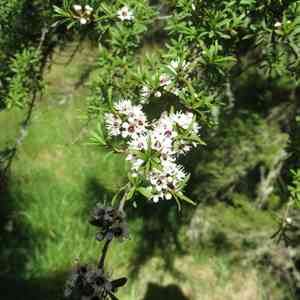
White tea-tree (Kunzea ericoides)
Also known as: Kanuka, White tea-tree
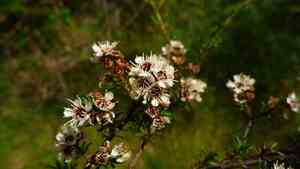
Kunzea ericoides, also known as kānuka, is a shrub or small tree that can grow up to 18 meters tall. It features bark that peels off in long strips and has young branches that often droop. The leaves vary in shape, ranging from linear to narrow elliptic or lance-shaped, measuring 8 to 25 mm in length and 1 to 5 mm in width, with a petiole up to 1 mm long. The flowers are white or pale pink and appear in dense clusters on side branches or in the axils of upper leaves, typically blooming from late fall to winter. The plant produces cup-shaped capsules, 2 to 5 mm in both length and width, containing numerous small seeds.
In This Article
Attributes of White tea-tree
Lifespan
Perennial
Plant Type
Tree
Plant Height
2-30 meters, depending on environmental conditions
Spread
up to 3-5 meters
Leaf Color
Green
Flower Size
1-2 centimeters
Flower Color
White Pink
Images of White tea-tree
Quickly Identify White tea-tree
1
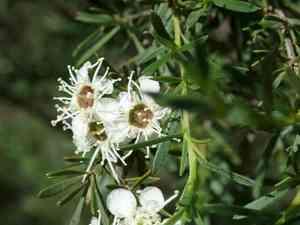
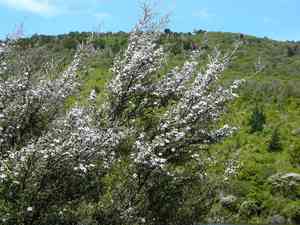
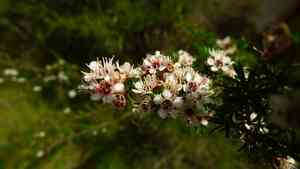
Kunzea ericoides can be identified by its narrow, lance-shaped leaves, and clusters of small white or pink-tinged flowers. The bark is typically flaky.
Scientific Classification of White tea-tree
Phylum
Vascular plants
Class
Dicotyledons
Order
Myrtales
Family
Myrtle
Genus
Kunzea
Species
White tea-tree
Planting and Growing of White tea-tree
Care Difficulty
Easy
Watering Schedule
Every 2 days
Sunlight Requirements
Full sun
Sunshine Duration
6-10 hours
Ideal Temperature
60-75℉
Soil Type
Potting Mix, Peat Mix
Soil pH
6.5-7.5
Fertilizer Type
Balanced
Pruning Season
Spring, Summer
Pruning Area
Branches, Leaves
Pruning Frequency
Once a year
Repotting Season
Spring
Pot Type
Plastic, Ceramic
 How to Water White tea-tree?
Kunzea ericoides prefers a moderate watering regime. Ideally, water it thoroughly until the soil feels moist but not waterlogged. Ensure the water drains well to prevent root rot, as the plant favors well-drained conditions. On average, 300 ml per watering session suffices during active growth phases. Adjust based on the plant's environment, such as increased watering in dry, hot weather.
What are the symptoms of an underwatered White tea-tree?
›
What should I do if my White tea-tree is not getting enough water?
›
What are the symptoms of an overwatered White tea-tree?
›
How to save an overwatered White tea-tree?
›
 What Are the Sunlight Requirements for White tea-tree?
It requires full sun to partial sun conditions. This ideal range supports robust growth and the production of attractive white or pinkish flowers, enhancing its aesthetic and ecological appeal.
How much sunlight is optimal?
›
How can I ensure it gets enough light?
›
What are the benefits of ideal lighting?
›
 What Is the Ideal Temperature Range for White tea-tree?
Kunzea ericoides thrives best in an environment where temperatures are consistently maintained between 60°F to 75°F. This range supports optimal metabolic functions, including photosynthesis and nutrient uptake, leading to healthy growth and flowering. It's essential to monitor ambient temperatures to prevent deviations that might stress the plant.
 What Soil is Best for White tea-tree?
Kunzea ericoides thrives in well-drained soils, which allows for easy water percolation and prevents root rot. Proper drainage ensures that roots can access oxygen and nutrients effectively, promoting healthy and robust growth. Even though Kunzea ericoides can tolerate poor soils, it benefits greatly from nutrient-rich environments. The presence of essential nutrients supports vigorous growth, enhances foliage density, and improves the overall health and vitality of the plant. Aerated soil is vital as it allows air to circulate around the roots of Kunzea ericoides. This oxygen exchange is crucial as it supports respiration and helps roots absorb nutrients efficiently, thus encouraging a strong and healthy plant structure.
 How to Fertilize White tea-tree?
For Kunzea ericoides, the fertilizer amount should be moderate. When using liquid fertilizers, a dilution ratio of 1:10, applied as part of regular watering, is ideal. For slow-release fertilizers, use about 50 grams per square meter, evenly distributed around the plant's base.
 How to Prune White tea-tree?
Begin by assessing the overall shape and health of your Kunzea ericoides. Use sharp, clean shears to remove any dead, damaged, or crossing branches first. This will open up the plant, improving air circulation and sunlight access. Gradually shape the plant by making clean cuts slightly above a leaf node or bud, angling the cut away from the node to encourage new growth. For more advanced pruning, focus on selectively removing branches to both shape the canopy and allow light penetration to inner branches, fostering a fuller growth habit. This selective thinning should be done with care and patience, ensuring you maintain the natural form of the plant while avoiding excessive removal, which can stress the plant.
More About Pruning Techniques→
 How to Propagate White tea-tree plant?
1
To collect seeds, wait until the seed pods on Kunzea ericoides have matured and dried. Carefully remove the pods and extract the seeds, ensuring they are fully dried before storing or planting.
2
Select healthy, non-flowering stems for making cuttings. Trim the stem just below a leaf node and remove the leaves from the lower half to make room for planting in the soil.
3
For seeds, plant them in well-draining soil and cover lightly. For cuttings, insert the cutting into moist compost or rooting medium, ensuring that the soil remains consistently moist.
 How to Repot White tea-tree plant?
1
Kunzea ericoides typically shows signs of needing a new pot when its roots start to appear through the drainage holes, or the growth becomes stunted despite adequate care. A repotting is best done when the plant enters its active growing phase, commonly in spring or summer, ensuring top growth and minimal shock.
2
Selecting the right pot for Kunzea ericoides is crucial. Opt for a pot that is one size larger than the current one, with ample drainage holes to prevent waterlogging. A terracotta pot is often ideal as it breathes better and prevents the soil from staying too damp, promoting a healthier root system.
3
Choose a well-draining sandy loam soil to repot Kunzea ericoides. This type of soil mimics its natural habitat, providing the right balance between moisture retention and drainage. It supports root aeration, preventing issues like root rot and ensuring robust growth.



