How to Transplant Weedy dwarf dandelion?
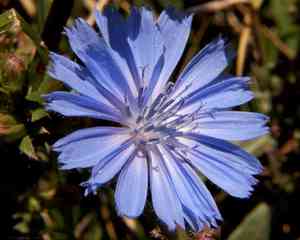
Relocate weedy dwarf dandelion during its peak development phase, generally from the conclusion of spring until the middle of summer. Select a brightly lit spot featuring soil that drains effectively. Provide gentle attention throughout the move to assist weedy dwarf dandelion in flourishing within its new environment.
What Preparations are Needed Before Transplanting Weedy Dwarf Dandelion?
What is the Ideal Time for Transplanting Weedy Dwarf Dandelion?
Relocate weedy dwarf dandelion during the vibrant period from late spring through mid-summer. This timeframe supports vigorous development, capitalizing on the season's optimal warmth and extended daylight. Moving weedy dwarf dandelion then guarantees a strong start in its new location, enhancing the plant's resilience and adaptability during these favorable growing months.
How Much Space Should You Leave Between Weedy Dwarf Dandelion Plants?
When getting ready to rehome weedy dwarf dandelion, remember that each small plant requires its own area. Aim to space them approximately 4-6 inches (10-15 cm) apart. This provides the roots ample room to expand and the leaves sufficient space to absorb sunlight.
What is the Best Soil Mix for Weedy Dwarf Dandelion Transplanting?
For weedy dwarf dandelion, a well-draining soil base will be highly beneficial. Seek a loamy mixture abundant in organic material, such as compost or aged manure, to nourish your plants. Enhancing the soil with a balanced, slow-release fertilizer will establish the conditions for healthy development.
Where Should You Relocate Your Weedy Dwarf Dandelion?
Select a sunny location where weedy dwarf dandelion can receive at least 6 hours of daily sunlight. Morning light is particularly gentle and can help your plants adjust to the day. If you have a spot that gets partial shade in the afternoon, that's perfect for weedy dwarf dandelion to flourish without excessive heat.
What Equipments Should You Prepare Before Transplantation Weedy Dwarf Dandelion?
Gardening Gloves
To safeguard your hands while handling soil and plants.
Hand Trowel
For excavating small holes and carefully removing plants from containers or trays.
Watering Can or Hose with Gentle Spray Nozzle
To delicately hydrate the plant before and after relocation.
Spade or Shovel
To dig the plant from the ground if necessary and for preparing the transplant hole.
Garden Fork
To loosen the earth around the plant in its initial spot.
Bucket or Container
To hold and transport the plant along with its soil.
Pruners or Sharp Scissors
To trim any dead or excess roots or foliage.
How Do You Remove Weedy Dwarf Dandelion from the Soil?
How Do You Remove Weedy Dwarf Dandelion from the Soil?
From Ground: Hydrate the weedy dwarf dandelion plant to ensure the soil is moist, which will facilitate easier plant removal. Use a garden fork to gently loosen the soil surrounding the plant. Carefully dig around the plant with a spade, avoiding damage to the root ball. Gently lift the plant from the ground, retaining as much soil around the roots as possible.From Pot: First, water the weedy dwarf dandelion inside the pot to moisten the soil. Tilt the pot sideways, gently tapping the bottom to dislodge the plant. Use your hand to support the plant's base and carefully slide it out. If roots have grown to the pot's edge, gently untangle them without excessive force.From Seedling Tray: Moisten the soil in the tray to simplify extraction. Use a hand trowel or similar tool to gently pry individual weedy dwarf dandelion seedlings from their compartments, taking care not to harm the delicate roots.
Step-by-Step Guide for Transplanting Weedy Dwarf Dandelion
Preparation
Ensure all necessary tools and materials are ready, such as gardening gloves, a trowel, a watering can, and the chosen transplant location.
Soil Moistening
If moving from the ground or a pot, water the weedy dwarf dandelion and its surrounding soil before starting to minimize plant stress.
Root Ball Handling
Use a spade or trowel to dig around the weedy dwarf dandelion, being careful not to harm the root ball as you gently lift it from the soil.
Transplant Hole
Excavate a hole in the new spot that is as deep and several times wider than the weedy dwarf dandelion's root ball.
Plant Positioning
Carefully place the weedy dwarf dandelion into the hole, ensuring it is positioned at the same depth it was previously growing. The plant should be upright and centered.
Soil Filling
Backfill the hole with soil, gently firming it around the roots to eliminate air pockets. Avoid compacting the soil too tightly, which can hinder root growth.
Watering
Water the weedy dwarf dandelion thoroughly after planting to settle the soil around the roots and aid in recovery from transplant shock.
How Do You Care For Weedy Dwarf Dandelion After Transplanting?
Monitoring
Observe the weedy dwarf dandelion daily for the initial couple of weeks, looking for signs of transplant shock like wilting or discolored leaves.
Watering Frequency
Maintain a consistent watering schedule to keep the soil uniformly moist, especially during dry periods, without overwatering.
Mulching
Apply a layer of organic mulch around the base of the weedy dwarf dandelion to help retain moisture, regulate soil temperature, and reduce weed competition.
Gradual Sun Exposure
If previously grown indoors or in a shadier spot, slowly acclimate the weedy dwarf dandelion to its new sunlight conditions to prevent leaf burn.
Troubleshooting Common Issues with Weedy Dwarf Dandelion Transplantation.
How do I know when it's the best time to transplant weedy dwarf dandelion?
The optimal transplanting period for weedy dwarf dandelion spans from late spring to the peak of summer warmth.
What's the ideal transplanting distance for weedy dwarf dandelion?
Space weedy dwarf dandelion approximately 4-6 inches (10-15 cm) apart to ensure adequate room for growth.
Can weedy dwarf dandelion be transplanted on a hot day?
Transplanting weedy dwarf dandelion on a cooler, overcast day or in the evening is best to prevent stress.
Why is my weedy dwarf dandelion wilting after transplanting?
Wilting can indicate transplant shock. Ensure proper hydration and initially avoid direct sunlight.
How deep should I plant weedy dwarf dandelion?
Plant weedy dwarf dandelion so its root ball rests just beneath the soil surface, matching its prior depth.
What type of soil is best for transplanting weedy dwarf dandelion?
Utilize well-drained, fertile soil rich in organic matter to promote weedy dwarf dandelion's post-transplant growth.
How often should I water weedy dwarf dandelion after transplanting?
Water weedy dwarf dandelion generously immediately after transplanting, then regularly to maintain consistent soil moisture.
Should I fertilize weedy dwarf dandelion right after transplanting?
Wait 2-4 weeks before applying a balanced fertilizer to allow weedy dwarf dandelion to establish itself in its new location.
Can I transplant weedy dwarf dandelion when it's flowering?
It's preferable to transplant weedy dwarf dandelion before it flowers to minimize transplant stress and encourage root development.
How do I prepare the ground before transplanting weedy dwarf dandelion?
Loosen the soil to about 12 inches (30 cm) deep and incorporate compost for a nutrient-rich planting bed.



