How to Prune Weedy dwarf dandelion?
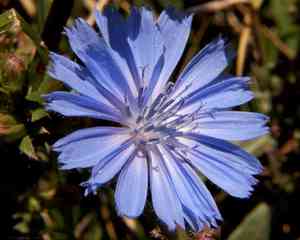
A small, sun-loving perennial, weedy dwarf dandelion flourishes with little upkeep. Deadhead faded blossoms consistently to stimulate further flowering and inhibit self-propagation. Throughout spring, summer, and autumn, eliminate deceased or injured leaves to sustain the plant's vitality. Trimming prior to winter's inactive period can additionally diminish areas for pests. Pruning not only improves the aesthetic of weedy dwarf dandelion but also fosters robust, dense development.
What Are the Benefits of Pruning Weedy Dwarf Dandelion?
What Are the Benefits of Pruning Weedy Dwarf Dandelion?
Trimming weedy dwarf dandelion promotes robust development and helps maintain its compact shape. Strategic cutting back stimulates fresh, healthy shoots and can contribute to a more attractive garden presence.
What Is the Best Time for Pruning Weedy Dwarf Dandelion?
What Is the Best Time for Pruning Weedy Dwarf Dandelion?
Spring pruning aligns with the start of weedy dwarf dandelion's active growth cycle, aiding healthy development and encouraging vigorous growth. Early Summer trimming is suitable for shaping weedy dwarf dandelion and controlling its spread before it produces seeds. Early Fall pruning, after the blooming season, helps prevent unwanted self-seeding and prepares weedy dwarf dandelion for dormancy while minimizing stress on the plant.
What Tools Do I Need to Prune Weedy Dwarf Dandelion?
Bypass Pruners
These are perfect for making clean cuts on weedy dwarf dandelion without crushing the stems. Since weedy dwarf dandelion is small and has thin stems, bypass pruners allow for precise control.
Gardening Scissors
Weedy dwarf dandelion requires gentle handling, and gardening scissors can be used for trimming back dead or yellowing leaves with accuracy.
Hand Weeding Tool
Weedy dwarf dandelion can be mistaken for weeds due to its small size and dandelion-like appearance. A hand weeding tool will help in selectively removing unwanted weedy dwarf dandelion without disturbing surrounding plants.
How to Prune Weedy Dwarf Dandelion
Cleaning tools
Start by sterilizing pruning tools. Disinfect shears with a solution of 1 part bleach to 9 parts water to reduce the risk of spreading plant diseases during pruning.
Assessment
Examine the weedy dwarf dandelion closely, identifying all withered leaves that are brown, dry, or otherwise show signs of decay. These are the leaves that will need to be removed.
Cutting method
Use the sterilized pruning shears to make clean cuts when removing the withered leaves. Cut at the base where the leaf stem meets the main plant, taking care not to damage nearby healthy foliage.
Disposal
Collect and dispose of the withered leaves immediately to prevent any potential spread of pests or diseases. Do not add them to your compost to avoid contaminating it.
Post pruning care
After pruning, water the weedy dwarf dandelion if the soil feels dry to touch, and ensure that the plant is placed in appropriate lighting conditions to facilitate healthy new growth.
Common Pruning Mistakes with Weedy Dwarf Dandelion
Overpruning
Cutting back too much of weedy dwarf dandelion at once can stress the plant, leading to poor growth or reduced flowering. Aim to trim no more than one-third of the foliage in a pruning session.
Wrong tool use
Using dull or dirty tools can result in jagged cuts that make weedy dwarf dandelion susceptible to disease. Always use sharp, clean pruners or scissors for clean cuts.
Neglecting deadheads
Failing to remove spent flowers from weedy dwarf dandelion can prevent further blooming, as the plant focuses energy on seed production rather than new flowers.
Ignoring plant shape
Randomly cutting weedy dwarf dandelion without considering its natural form can result in an unsightly appearance and may harm the plantâs health and flowering potential.
Cutting into old wood
Pruning into old, woody stems on weedy dwarf dandelion that no longer produce new growth can injure the plant without encouraging new development.
Common Pruning Tips for Weedy Dwarf Dandelion
Selective pruning
Target specific areas for pruning, such as dead or diseased foliage and spent flowers on weedy dwarf dandelion, to encourage healthier growth and more blooms.
Tool care
Before pruning weedy dwarf dandelion, ensure tools are clean, sanitized, and sharp to make precise cuts that heal quickly and minimize disease risk.
Frequency
Prune weedy dwarf dandelion regularly, focusing on light maintenance rather than infrequent, heavy pruning, to maintain the plantâs health and appearance.
Cut location
When cutting back weedy dwarf dandelion, make cuts just above a leaf node or a branching point to stimulate new growth in the desired direction.
Post-pruning care
After pruning weedy dwarf dandelion, provide the plant with adequate water and possibly a light application of fertilizer to help recovery and promote new growth.



